
Last updated November 23, 2026
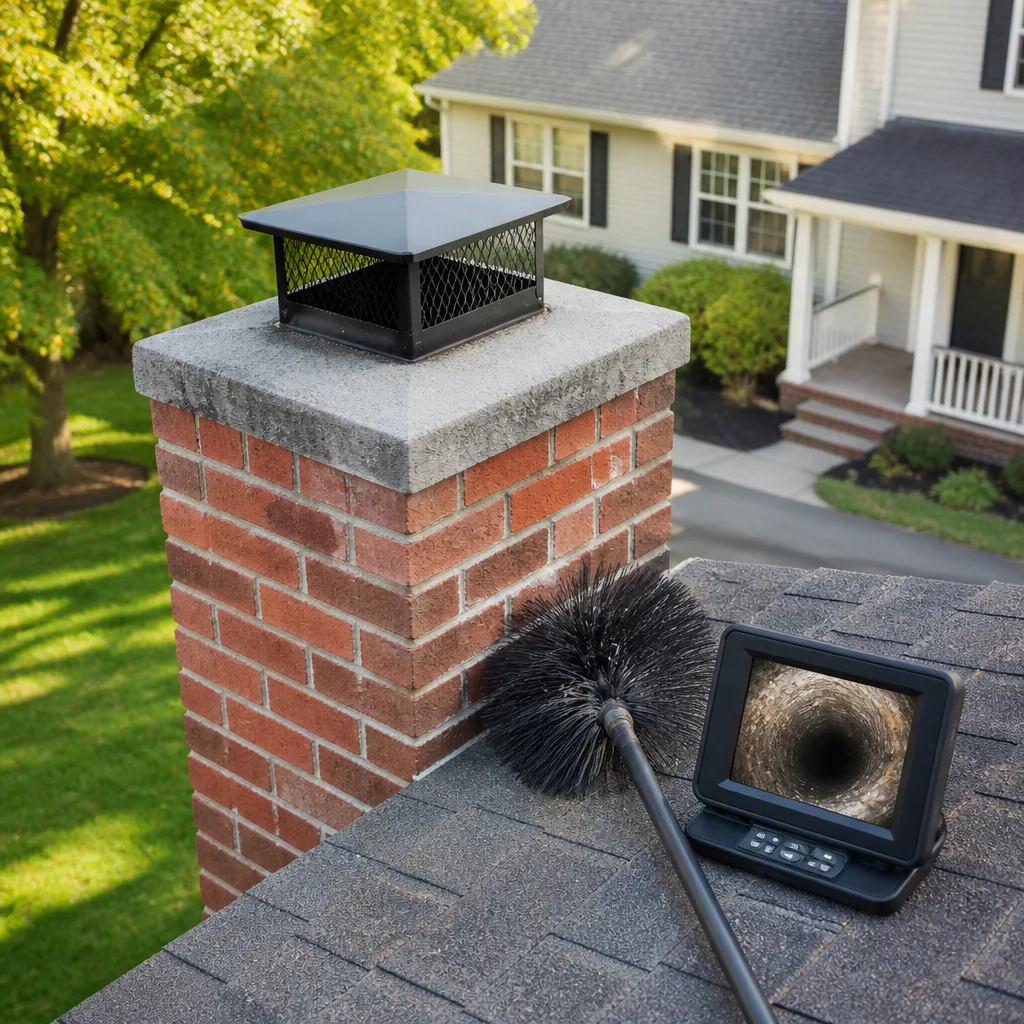 Sweep & inspection
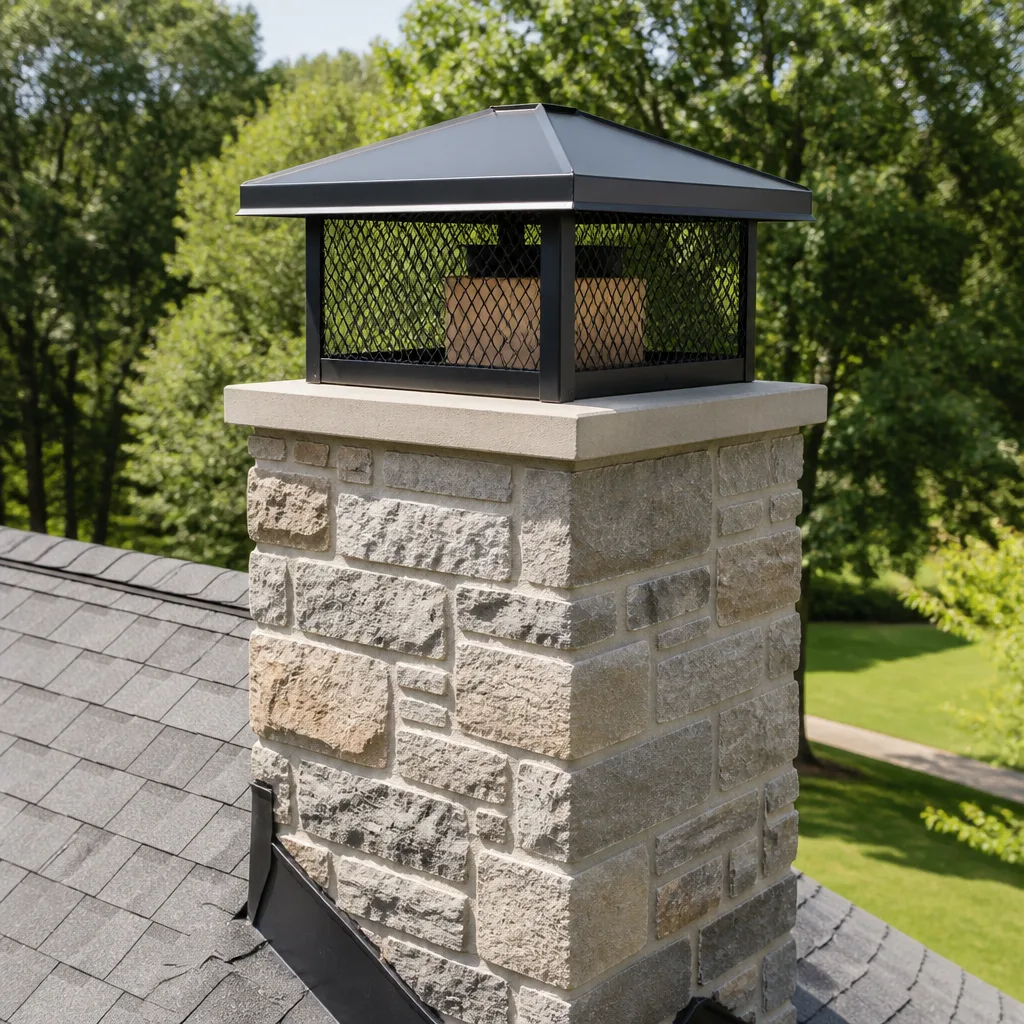 Caps & crowns
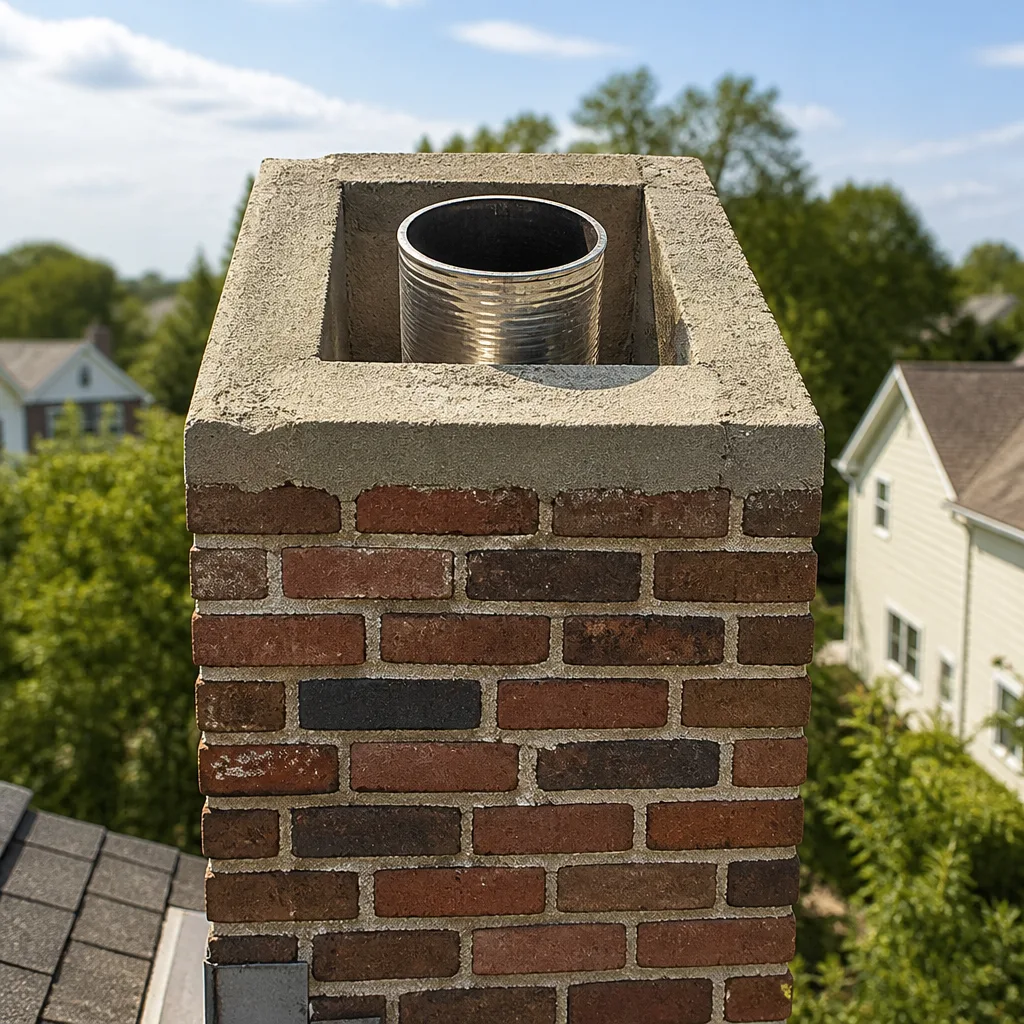 Flue relining
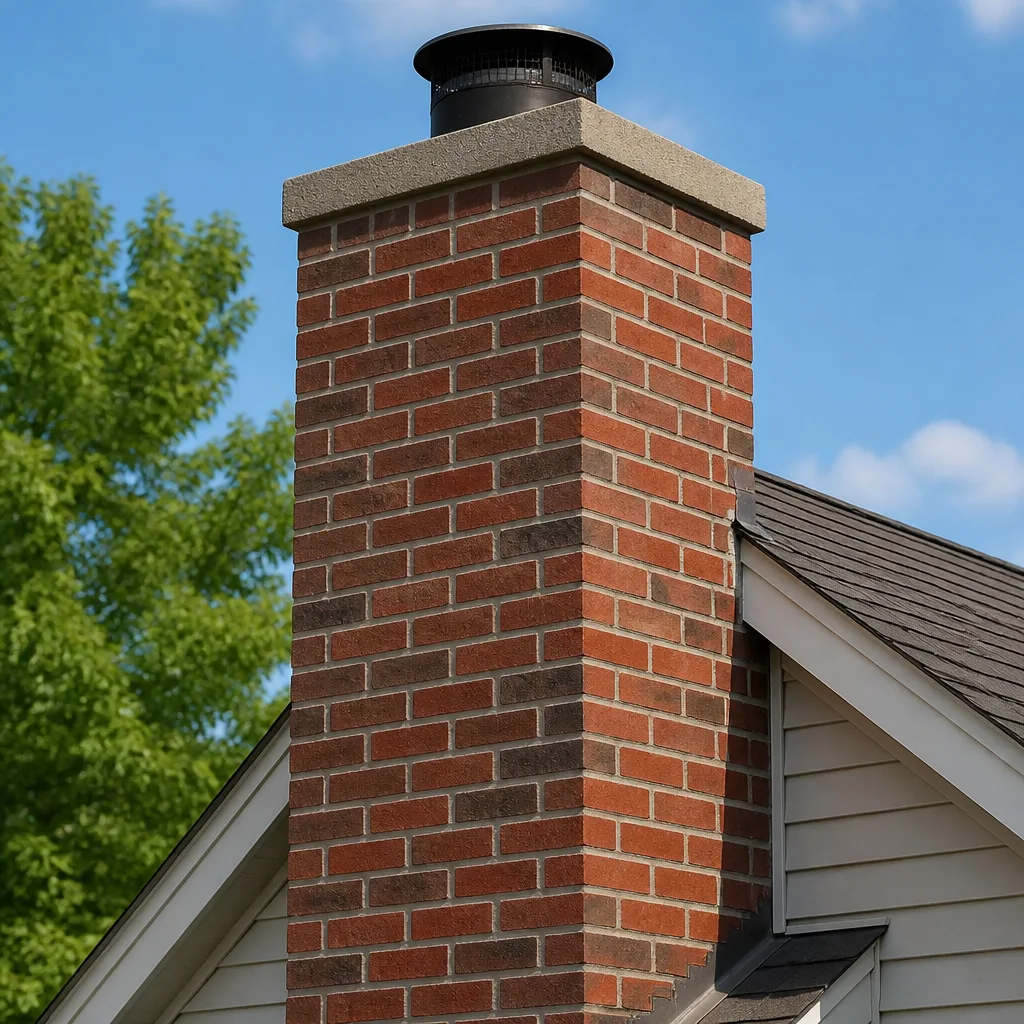 Masonry repair
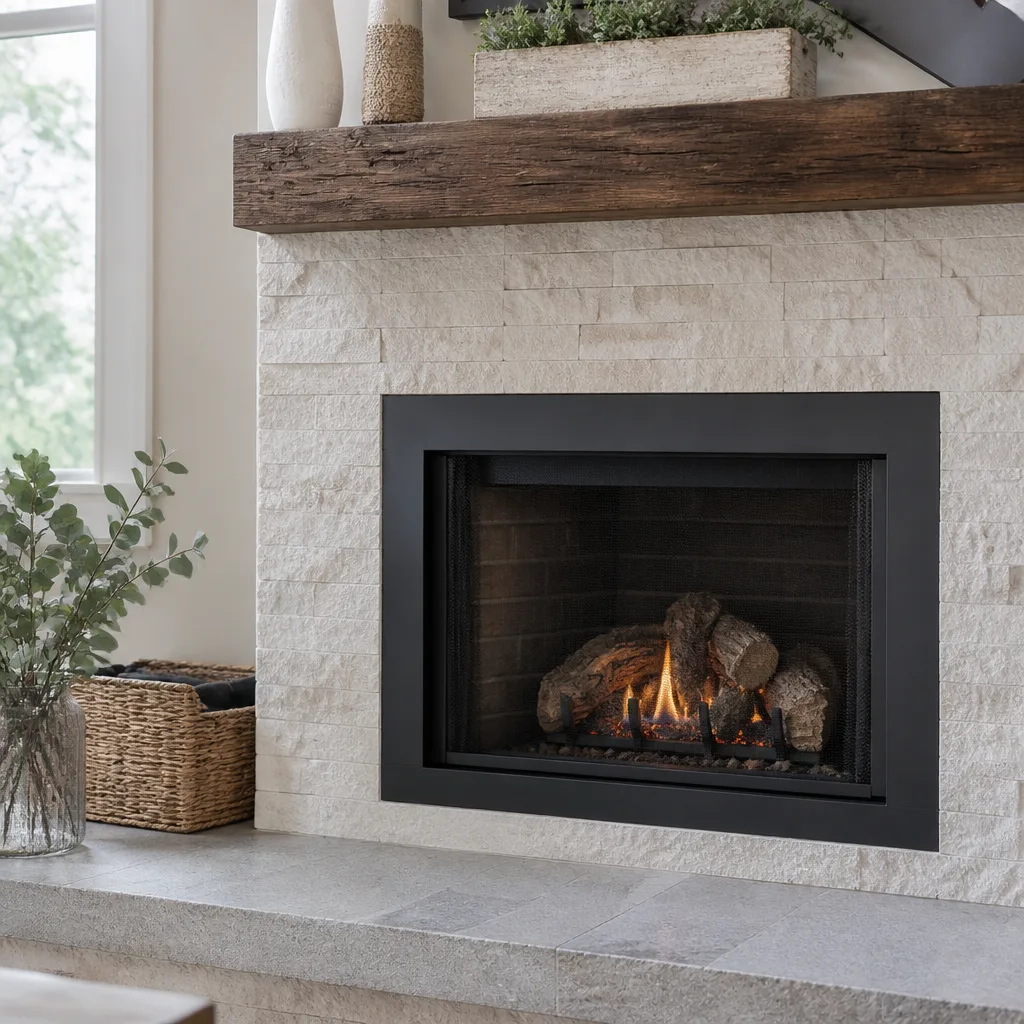 Gas fireplace service
Level 1 sweep and inspection to the NFPA 211 annual standard - flue, crown, cap, and flashing checked and photographed
Chimney sweep logs do not sweep chimneys. They loosen some creosote - which then falls where a brush and vacuum still have to collect it.
Seasonal Chimney Cleaning Care for Port Richmond: Year-Round Homeowner’s Guide
Most chimney advice tells you to book a sweep before winter. That’s fine as far as it goes, but it misses where the real damage happens. Summer is the season most Port Richmond homeowners ignore their chimney entirely, and it’s also the season when moisture trapped behind a failed crown does its worst structural work. That moisture sits wet through July and August, quietly breaking down mortar and brick, and the first fire in November is when the problem finally announces itself. This guide breaks the year into four distinct seasonal vulnerability windows for a Port Richmond chimney, shows you what each season does to the system, and gives you a simple log to track it. What you’ll learn: how spring, summer, fall, and winter each stress a chimney differently, what to check at each stage, and when to call a chimney specialist.
Quick Answer
Seasonal chimney care in Port Richmond works around what each season does to the chimney, not just when you burn wood. Spring is for inspecting post-freeze damage (spalling brick, cracked crowns, damaged caps). Summer is when moisture and humid air attack dampers and steel liners. Late September to mid-October is the cleaning window before the first fire. Winter is when mid-season warning signs show up: backdraft, cold drafts, and odors. A yearly log of condition changes keeps the whole cycle honest.
Styles & brands we work with
- Sweep & inspection
- Caps & crowns
- Flue relining
- Masonry repair
- Gas fireplace service
Table of Contents
- Why a Port Richmond Chimney Has Four Seasonal Vulnerability Windows
- Spring: Post-Freeze Inspection Priorities
- Summer: The Season of Hidden Moisture Damage
- Fall: The Cleaning Window Before the First Fire
- Winter: Mid-Season Signs Something Is Wrong
- How to Build a Simple Seasonal Chimney Log
- Common Mistakes to Avoid
- When to Call a Professional
- Frequently Asked Questions
Why a Port Richmond Chimney Has Four Seasonal Vulnerability Windows
People think of the chimney as a passive pipe that only matters when there’s a fire in the grate. That’s backwards. A masonry chimney is an outdoor structure that happens to have a flue running through it, and it takes weather year-round whether you light a fire or not. Port Richmond’s humid summers and freezing winters push and pull at the same brick, mortar, and metal from opposite directions, and each season leaves its own signature.
Here’s the framework we use. Think of the year as four separate stress tests:
- Spring reveals what winter broke. Freeze-thaw cycles widen hairline cracks, pop brick faces, and loosen caps. The damage is fresh and usually visible.
- Summer is when that damage gets worse without anyone noticing. Rain gets in through the cracks spring exposed, and humid air keeps the interior damp for weeks. Moisture and creosote residue combine into an acidic film that eats at cast-iron damper plates and steel liners.
- Fall is the last honest look you get before you start burning. It’s the right time for cleaning and for verifying that the flue is clear and sound.
- Winter is when anything you missed announces itself: smoke that rolls into the room, a cold draft that wasn’t there last year, a smell that won’t clear.
That’s why “sweep before winter” is incomplete. A chimney inspected only in autumn may have spent June, July, and August quietly absorbing water. Port Richmond’s older housing stock, much of it masonry with original or partly relined flues, is exactly the kind of construction where that summer moisture does the most harm. If you want the technical background first, our chimney sweep page explains what a cleaning actually involves.
Spring: Post-Freeze Inspection Priorities
Spring is when winter’s bill comes due. Every freeze-thaw cycle expands water inside brick and mortar, and by the time the ground thaws, small problems have become visible ones. A thorough spring inspection at a Port Richmond home focuses on the parts most exposed to ice and snow load.
Three things top the list:
- Spalling brick. When water gets into a brick and freezes, it pushes the face off. You’ll see flaking, crumbling, or chunks missing from the chimney’s exterior. Spalling brick is a structural warning, not a cosmetic one.
- Crown cracking. The crown is the concrete or masonry cap at the top that sheds water away from the flue. Any crack in it is a channel straight into the chimney’s interior. A cracked crown is the single most common way water gets where it shouldn’t.
- Cap damage. Spark screens rust, fasteners loosen, and a winter gust or falling branch can leave a cap crooked or missing altogether. Without a working cap, rain, birds, and debris go straight down the flue.
A spring inspection should also check the flashing where the chimney meets the roof, since ice and snowpack push at that joint. Catching spalling brick and crown cracks in April means they can be repaired or resurfaced with something like a HeatShield repair before summer rain works them wider. Our chimney cap & crown page covers what proper repair looks like.
If you’re buying a Port Richmond home in spring, this is exactly the moment to schedule an inspection before closing. A failed crown or crumbling brick is a repair cost you want to know about now, not after the keys change hands.
Summer: The Season of Hidden Moisture Damage
Summer is when Port Richmond homeowners don’t think about their chimney at all, and that’s precisely why it’s the season that matters most in this guide. A closed damper traps warm, humid summer air inside the flue. Add a small amount of residual creosote and moisture, and you have the conditions for acidic condensation to sit against metal components for weeks on end.
This is the mechanism most people miss. Two parts are especially vulnerable:
- Cast-iron damper plates. Older fireplaces have a cast-iron damper that seals the flue when closed. Humid air sitting against it, especially if any creosote film is present, encourages rust that eventually seizes the plate or eats through it.
- Steel liners. A steel flue liner protects the masonry, but trapped moisture on its inner surface shortens its life. Rusted liner seams are a common reason a liner needs replacing rather than cleaning.
A cracked crown makes this worse because it gives summer rain direct access. Water runs down the inside of the flue and sits in the same areas as that humid air. By late August the interior could have been damp for two solid months before anyone thinks to look.
What to do in summer: schedule an inspection if your last one showed a cracked crown or you haven’t had one recently, keep the damper open a crack on dry days to let the flue breathe, and address any water intrusion you can see. If a liner has failed, systems like DuraFlex and Olympia Chimney are the industry-standard route for a full reline, and a ceramic resurfacing system such as HeatShield can sometimes restore a liner that doesn’t need full replacement. Both are specialist products, not the kind of job a general handyman should take on.
Fall: The Cleaning Window Before the First Fire
Fall is the season everyone associates with chimney care, and for good reason: it’s the last honest look you get at the flue before you start burning. But there’s a specific timing window worth knowing. In Port Richmond, aim to book your cleaning and inspection between late September and mid-October. Too early and a warm autumn can leave a little more soot than expected by the time you actually burn; too late and you’re competing with everyone else who suddenly remembered their fireplace.
The fall routine looks like this:
- Schedule the sweep. A professional cleaning removes creosote and soot buildup from the flue. Glazed, hardened creosote is fuel for a chimney fire, so removing it before the season starts is the core safety measure.
- Inspect the flue and firebox. The sweep doubles as a look at the liner, damper, smoke chamber, and firebox for anything that deteriorated over spring and summer.
- Check the cap and crown again. Confirm the cap is secure and the crown is intact before weather turns.
- Test the draft before the first real fire. Warm the flue with a small kindling fire and watch that smoke goes up, not into the room.
- Check your smoke and carbon monoxide alarms. This is cheap, easy, and matters more than anything else on the list.
Gas fireplace owners aren’t off the hook in fall either. A gas fireplace still needs its flue and venting checked, and any sign of trouble with the burner or logs warrants a look. That’s where fireplace repair comes in for the firebox side of the system.
One more fall task: if you haven’t had a professional inspection in a while, get one before the first fire. It’s the difference between knowing your flue is clear and hoping it is.
Winter: Mid-Season Signs Something Is Wrong
Once the heating season is underway, your job shifts from maintenance to monitoring. Winter is when latent problems surface, and the signs are usually obvious if you know what to watch for. Three mid-season signals deserve attention.
- Smoke backdraft. If smoke rolls into the room instead of drawing up the flue, the draft is compromised. That can mean a blockage, a damaged flue, or an air-pressure problem. Stop burning and have it looked at.
- Cold drafts at the fireplace. A cold draft coming down an unused fireplace in winter often means the damper isn’t sealing or the cap is missing or damaged. A persistent draft that wasn’t there before points to a change in the system.
- Odors that indicate a compromised seal. A smoky or creosote smell that lingers long after the fire is out, especially on mild or windy days, can mean the flue seal has broken down somewhere.
Winter is also when carbon monoxide risk matters most, because that’s when the chimney is actually working. A blocked or leaking flue can let combustion gases back into the house. This isn’t a reason to panic; it’s a reason to have working CO alarms and to act on the warning signs above. If you smell gas near a gas fireplace, leave the area and call your gas utility first, then a specialist.
Mid-winter is not the time for a full cleaning if it can be avoided, but it is the time to call if something changes. We answer 24/7 at (855) 789-9672, and our dispatch runs 7am to 7pm, Sunday through Friday, so a call outside those hours is booked into the next opening. A quick call during the season can catch a problem before it becomes an emergency.
How to Build a Simple Seasonal Chimney Log
A seasonal log is one of the most useful things you can keep as a Port Richmond homeowner. It’s a running record of what your chimney looks and behaves like across the year, so you can spot changes and, just as importantly, talk to any contractor from a position of knowledge rather than guesswork. It also protects you from being sold work you don’t need, because you’ll have your own notes to compare against a recommendation.
You don’t need anything fancy. A notebook or a note on your phone works. Record the same handful of items each season:
- Date and season. Note whether it’s a spring, summer, fall, or winter entry.
- Exterior condition. Look at the brick, crown, and cap. Note any spalling, cracks, or loose parts.
- Interior signs. Check for dampness, rust on the damper, staining in the firebox, or creosote buildup.
- Draft behavior. When you test the draft, note whether smoke went up or rolled into the room.
- Smells and drafts. Record any lingering odors or cold drafts, and when they appear.
- Service history. Note when you had a sweep, inspection, or repair, and what was found.
Photographs help too. A phone photo of the crown in April and again in October shows change in a way memory can’t. When you sit down with a chimney specialist to discuss repair scope, that log becomes leverage. You can point to the exact date the draft appeared or the crown crack widened, and the specialist can match it against what the camera inspection shows.
A camera inspection is the other half of that picture. Nothing is recommended on your chimney without evidence you can see for yourself, so use the log to track changes and let the inspection confirm what’s actually going on.
Common Mistakes to Avoid
- Only thinking about the chimney in fall. Spring and summer are when the most preventable damage accumulates, and skipping those seasons means the first fire reveals a problem that was building for months.
- Ignoring a cracked crown because it’s “just a little crack.” A cracked crown is a direct path for water into the chimney. Left alone through a wet Port Richmond summer, it widens and the damage spreads.
- Burning unseasoned wood to save effort. Green wood produces more creosote, and creosote is what fuels chimney fires. Seasoned hardwood burns cleaner and leaves less behind.
- Assuming a gas fireplace needs no chimney care. Gas fireplaces still have venting and components that need checking, and any sign of trouble with the burner or logs warrants a specialist look.
- Putting off the fall cleaning until you’ve already started burning. The right window is late September to mid-October, before the first fire. Cleaning after you’ve been burning for a month means you carried last season’s soot into this one.
- Hiring a generalist for a chimney job. Roofers and handymen sometimes take chimney calls, but liner work, crown repair, and resurfacing need a specialist who works on chimneys only, with the right industry-standard materials.
- Skipping the log and relying on memory. Without notes you can’t tell whether a draft is new or whether a crown crack has widened since spring. A simple log makes every conversation with a contractor more grounded.
When to Call a Professional
Call a professional when you’re not sure, because a chimney problem is one where guessing costs more than asking. Specific scenarios: smoke rolling back into the room instead of drawing up; a cold draft at the fireplace that’s new since last winter; a lingering smoky or creosote smell that won’t clear; visible spalling brick, crown cracks, or a loose or missing cap; a home purchase that calls for a pre-closing inspection; or a gas fireplace that smells or behaves oddly.
Port Richmond Chimney Sweep offers free estimates in Port Richmond, and we work on chimneys only. That focus means every technician on the job is a chimney specialist, not a roofer or handyman moonlighting on a fireplace call. Our technicians have up to 14 years of experience, and we use industry-standard materials from brands pros trust, including Gelco and Famco caps, HeatShield resurfacing, and Olympia Chimney liner systems. One call covers it: sweep, inspection, and repair, without a second contractor. Call (855) 789-9672 for a free estimate.
Frequently Asked Questions
Once a year is the standard baseline for a chimney that gets regular use, and cleaning is best scheduled in the late September to mid-October window before the first fire. Heavier use, or a history of burning unseasoned wood, may call for more frequent cleaning. A professional inspection during the sweep tells you exactly what your flue needs. Call (855) 789-9672 for a free estimate.
Creosote and soot build up in the flue, and hardened creosote is fuel for a chimney fire, which is the main risk of skipping a cleaning. Beyond the flue, skipping the inspection means problems like a cracked crown or a damaged cap go unnoticed and get worse. In Port Richmond, that often means a summer of hidden moisture damage behind a crack. Call (855) 789-9672 for a free estimate.
Yes, because summer is when the most preventable damage accumulates. A closed damper traps humid air in the flue, and that humid air, along with residual creosote, encourages acidic condensation that corrodes cast-iron damper plates and steel liners. A cracked crown also lets summer rain in. It’s worth an inspection if you haven’t had one recently. Call (855) 789-9672 for a free estimate.
A cold draft that’s new since last year usually points to a change in the system: a damper that isn’t sealing, a missing or damaged cap, or a compromised flue seal. It’s worth having it looked at before it becomes a bigger problem. Call (855) 789-9672. We answer 24/7. Fast dispatch from 7am to 7pm, Sunday through Friday.
Not necessarily, and no one should tell you that without showing you the evidence. A camera inspection reveals whether the liner is cracked, rusted, or still sound, and nothing is recommended without evidence you can see for yourself. Sometimes a ceramic resurfacing system like HeatShield restores a liner that doesn’t need full replacement; other times a reline with DuraFlex or Olympia Chimney is the right call. Either way, you should see the footage first. Call (855) 789-9672 for a free estimate.
Yes, and it’s the most efficient way to handle fall chimney care. A cleaning and inspection together means the sweep also gets a look at the liner, damper, and firebox, so you leave with both a clear flue and a clear picture of its condition. Port Richmond Chimney Sweep handles sweep, inspection, and repair under one company, so there’s no handoff gap. Call (855) 789-9672. We answer 24/7, with fast dispatch from 7am to 7pm, Sunday through Friday.
The Bottom Line
A Port Richmond chimney faces four separate seasonal stress tests, and the season most homeowners ignore, summer, is where the most preventable damage happens. Spring is for catching what winter broke; summer is for stopping moisture from quietly eating your damper and liner; late September to mid-October is the cleaning window before the first fire; winter is for monitoring draft, smells, and drafts. Keep a simple seasonal log, schedule the inspection, and use a chimney specialist rather than a generalist. A safe draft and a clean burn come from knowing what each season does to your chimney, and acting on it before the first fire, not after.
Port Richmond Chimney Sweep works on chimneys, only chimneys. Call (855) 789-9672 for a free estimate. We answer 24/7. Fast dispatch from 7am to 7pm, Sunday through Friday.
Written by the team at Port Richmond Chimney Sweep.
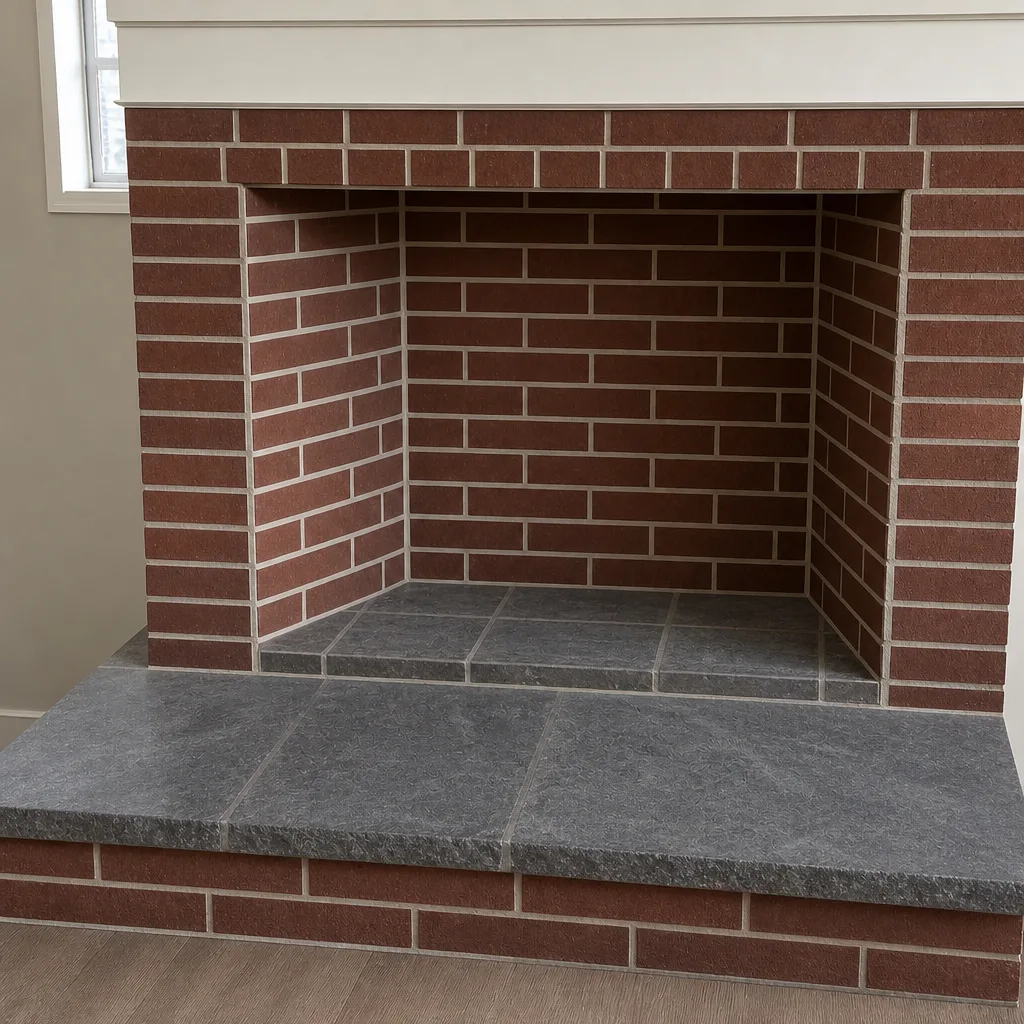
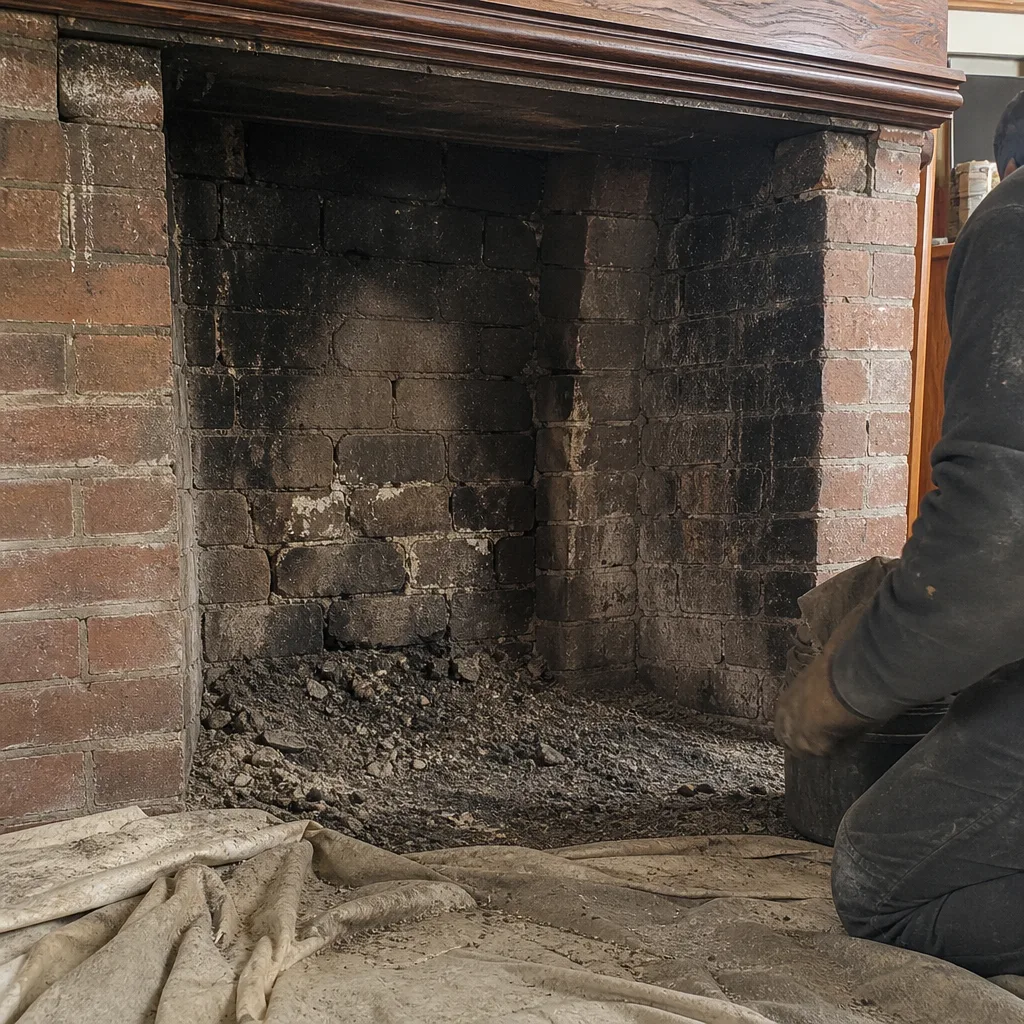
See the difference
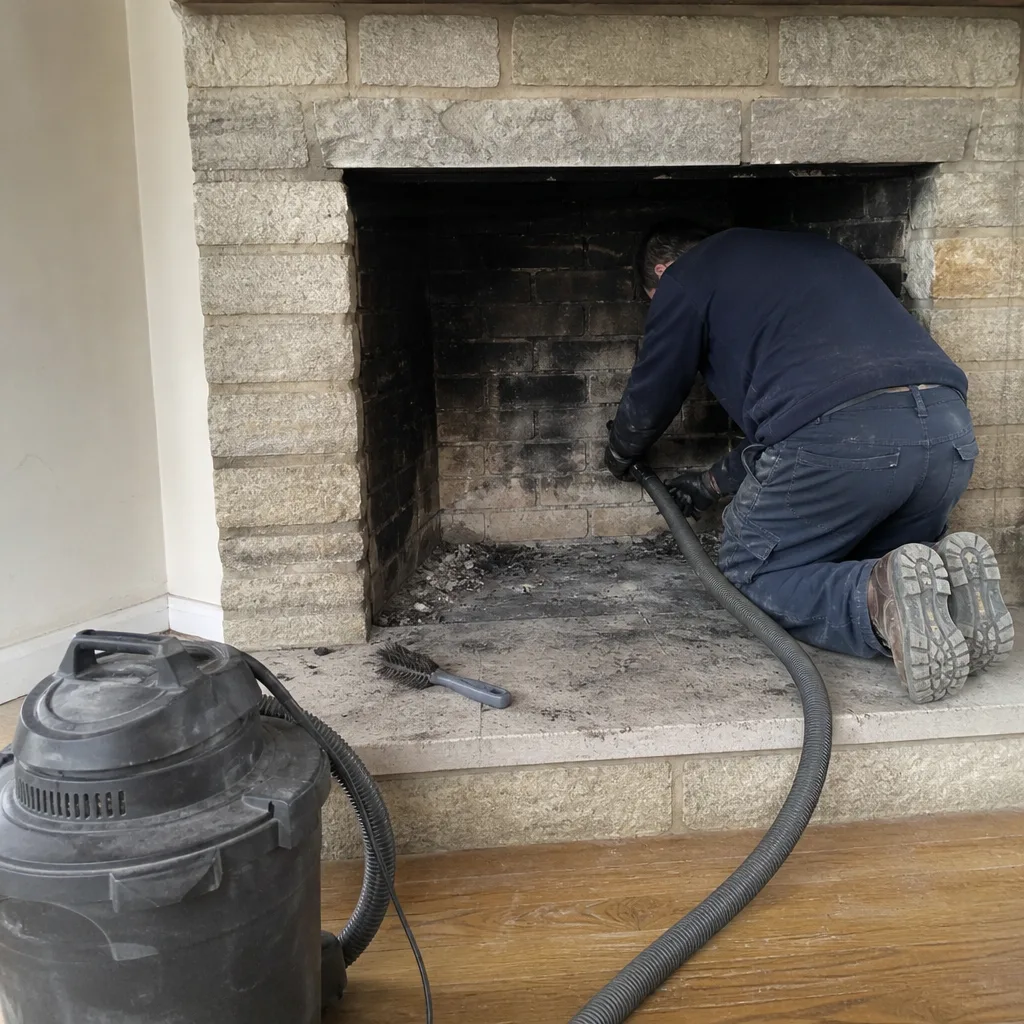 Before
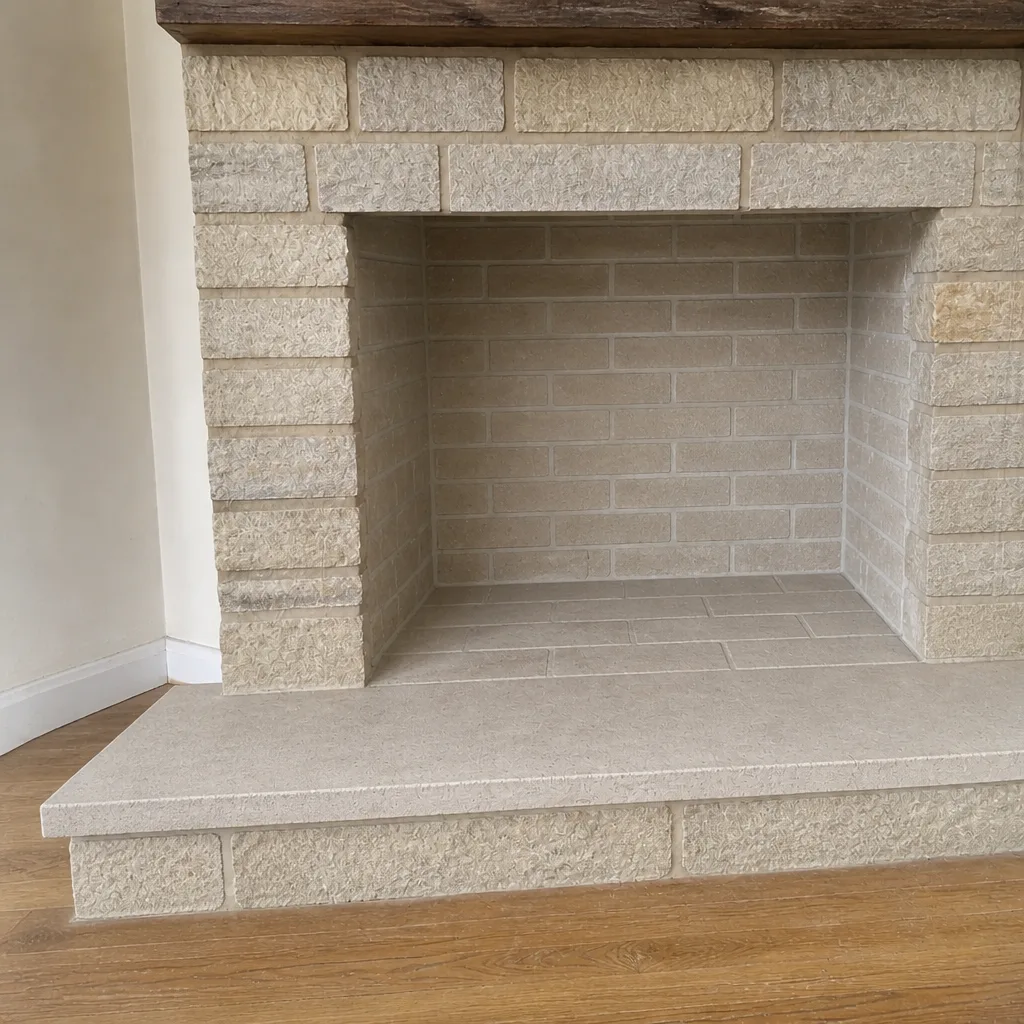 After
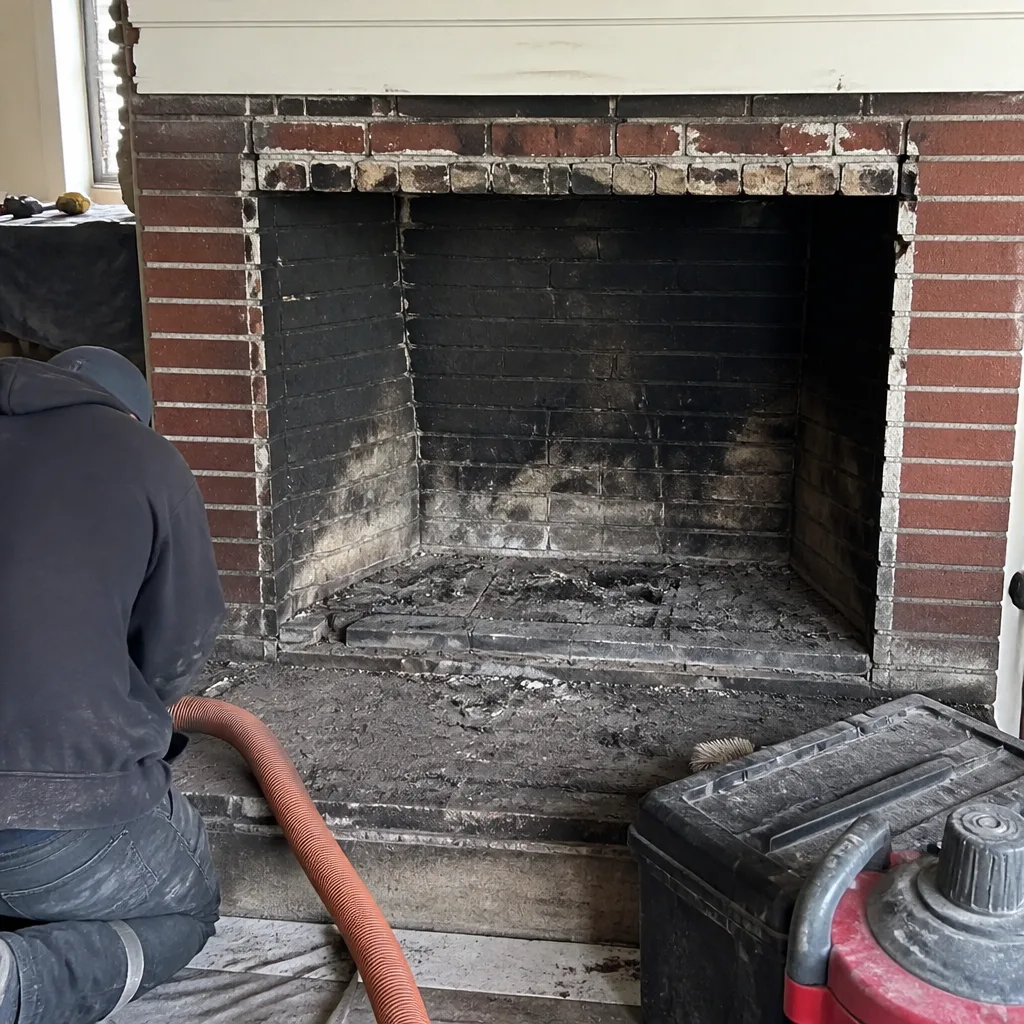 Before
 After
 Before
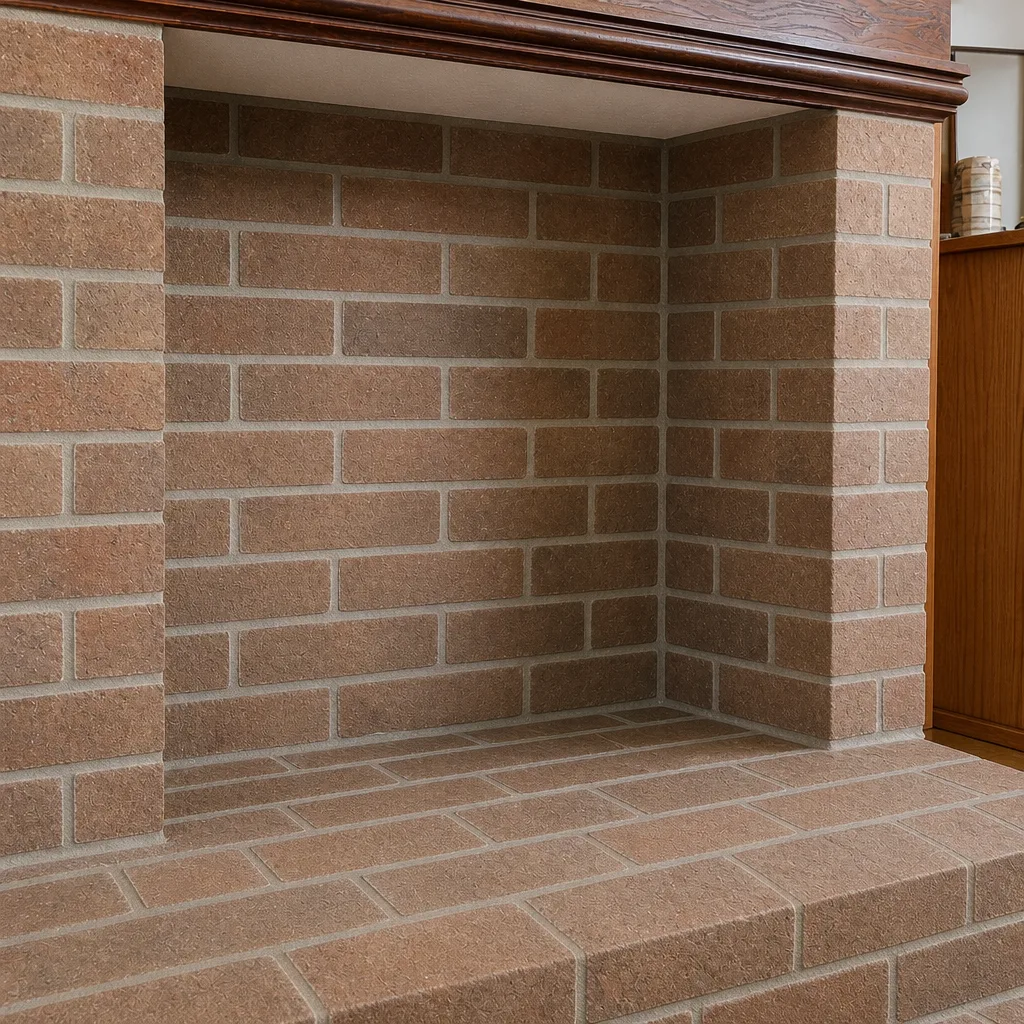 After