
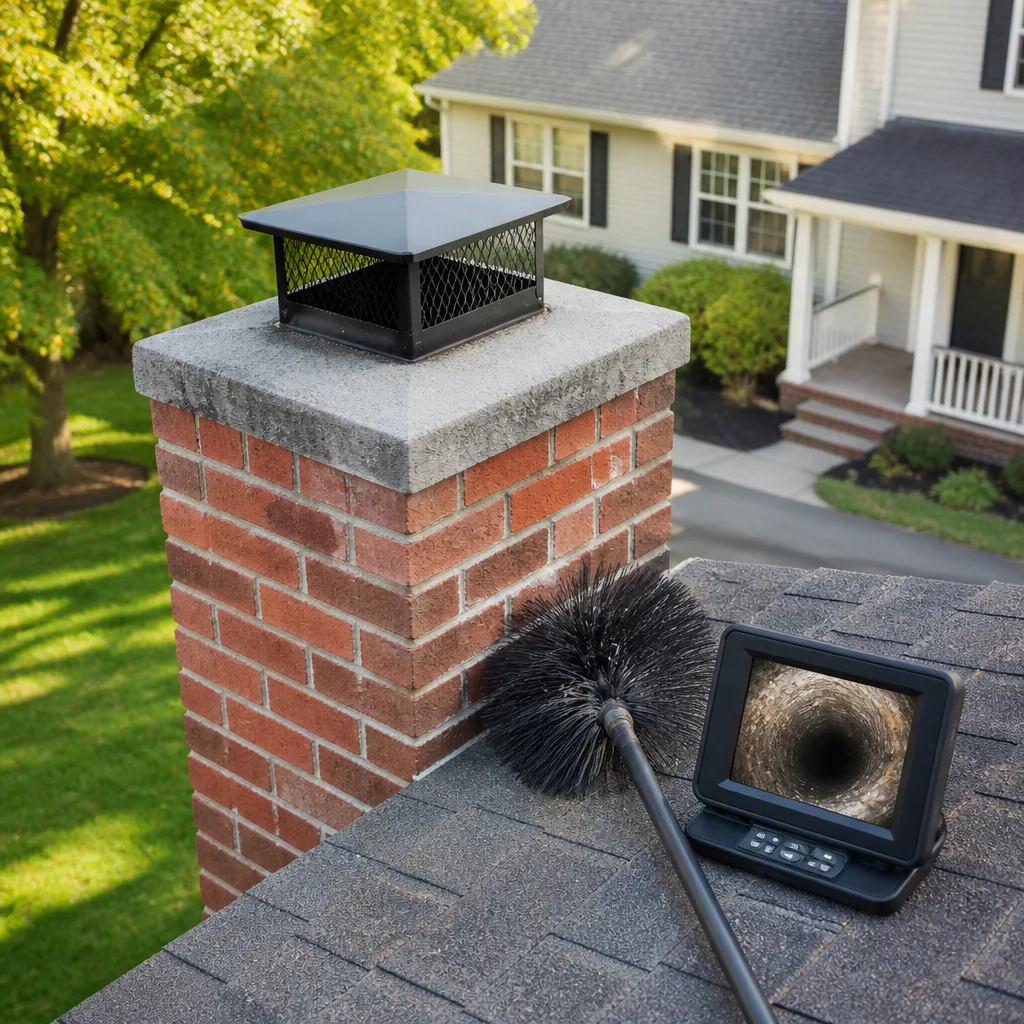
 Sweep & inspection
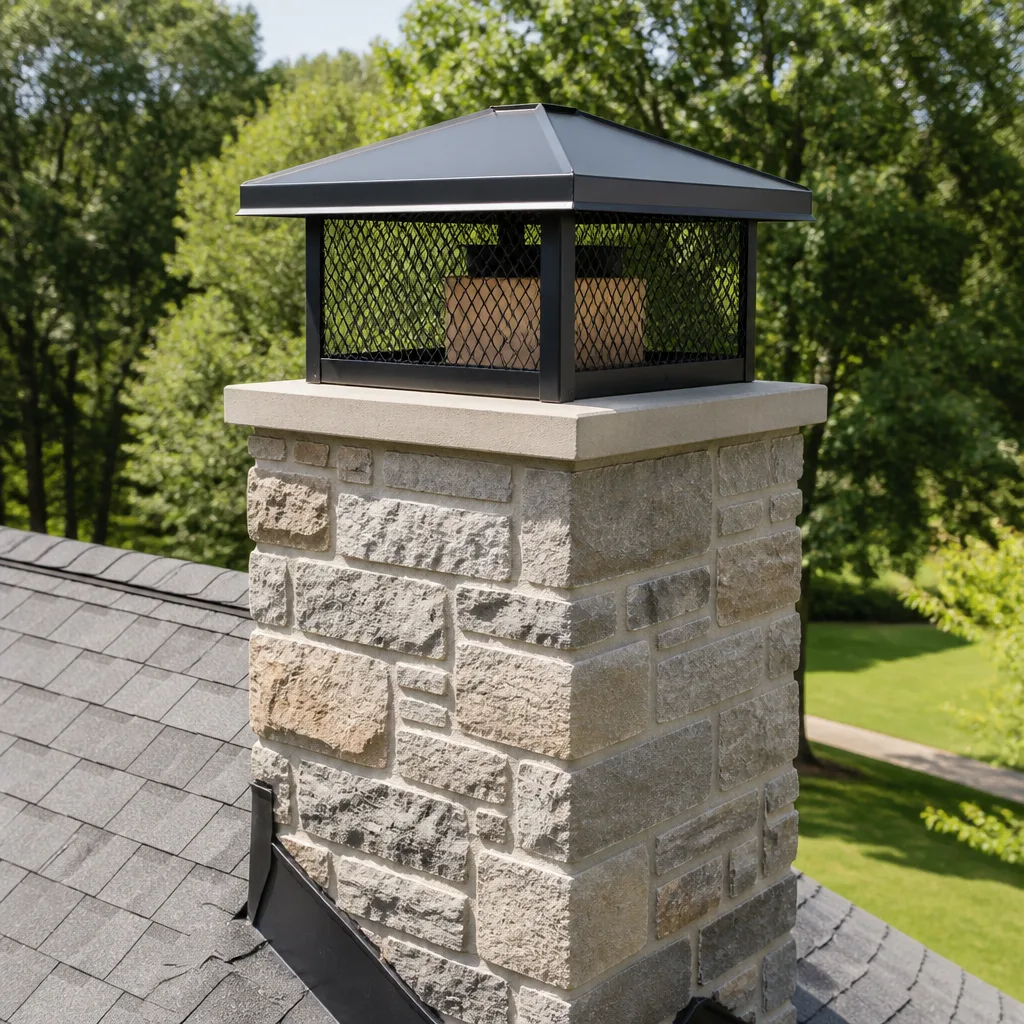 Caps & crowns
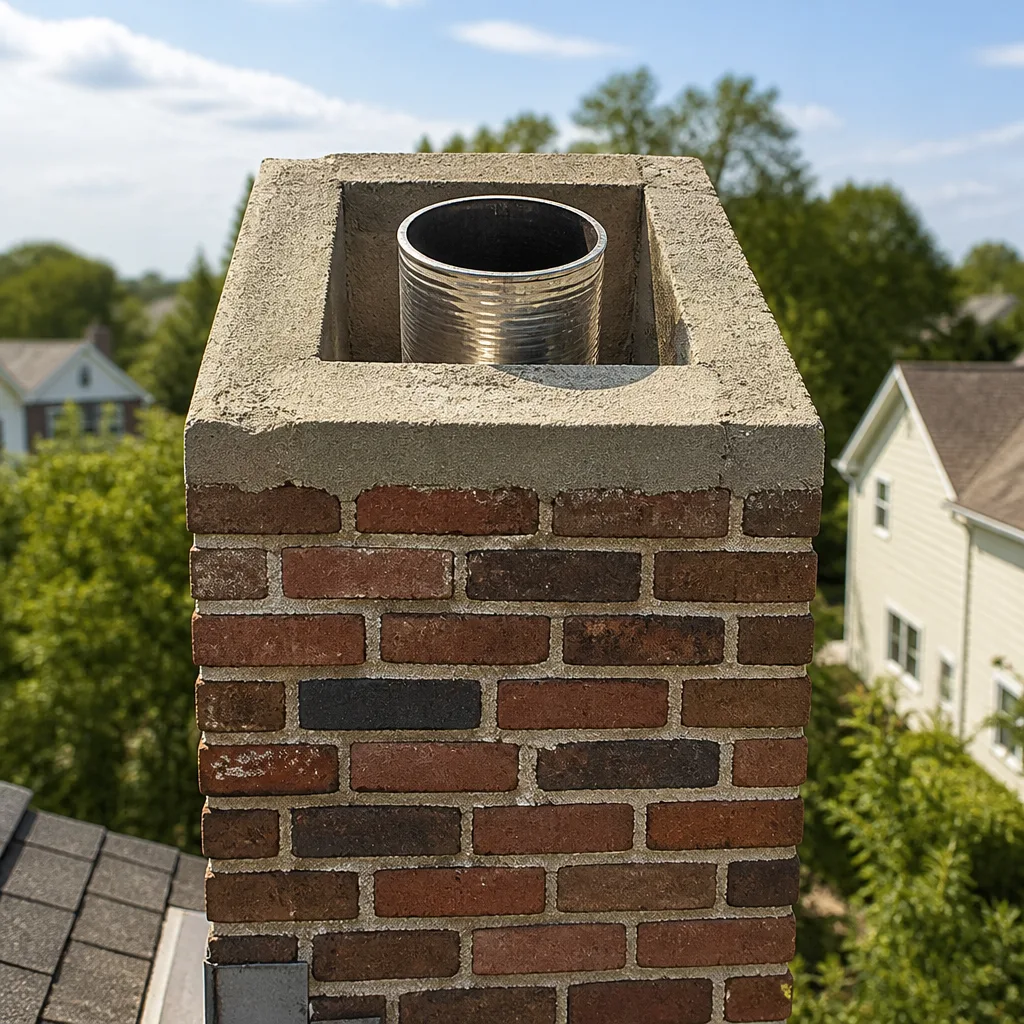 Flue relining
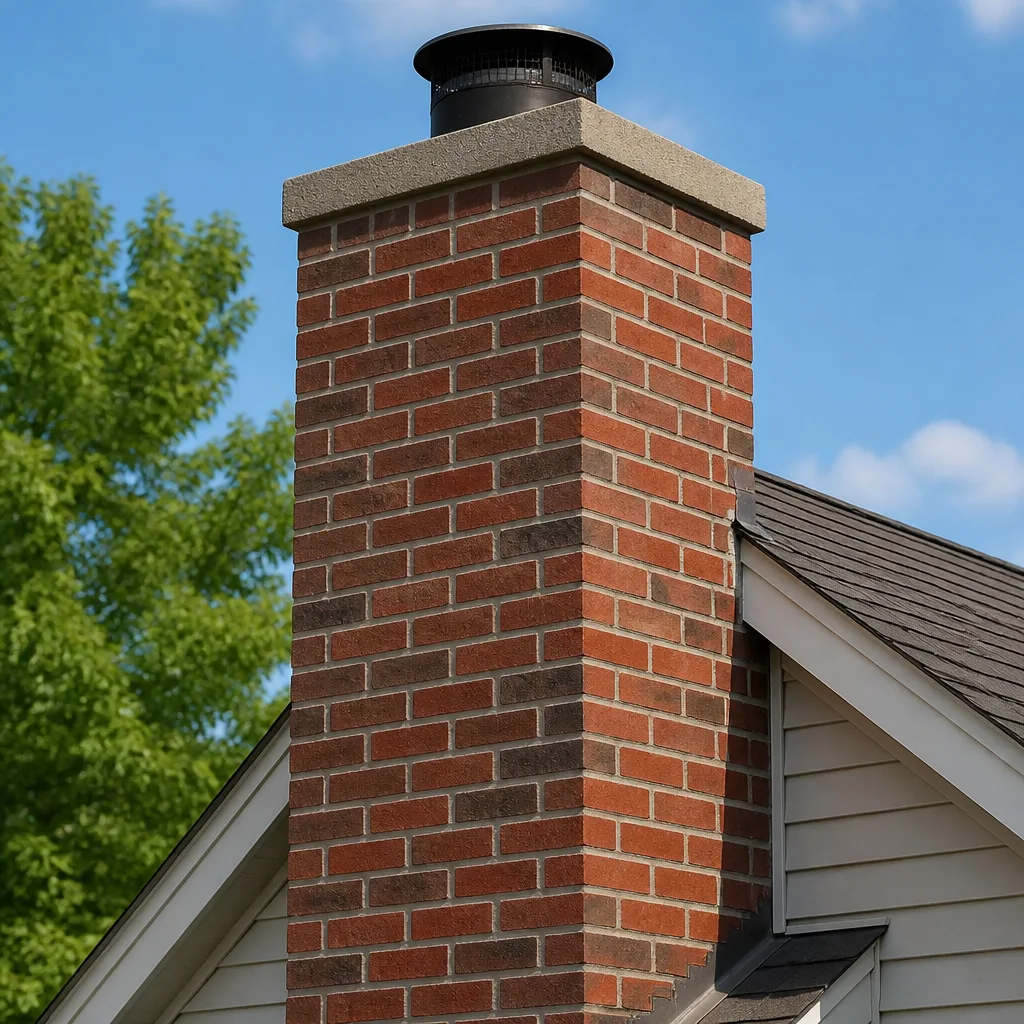 Masonry repair
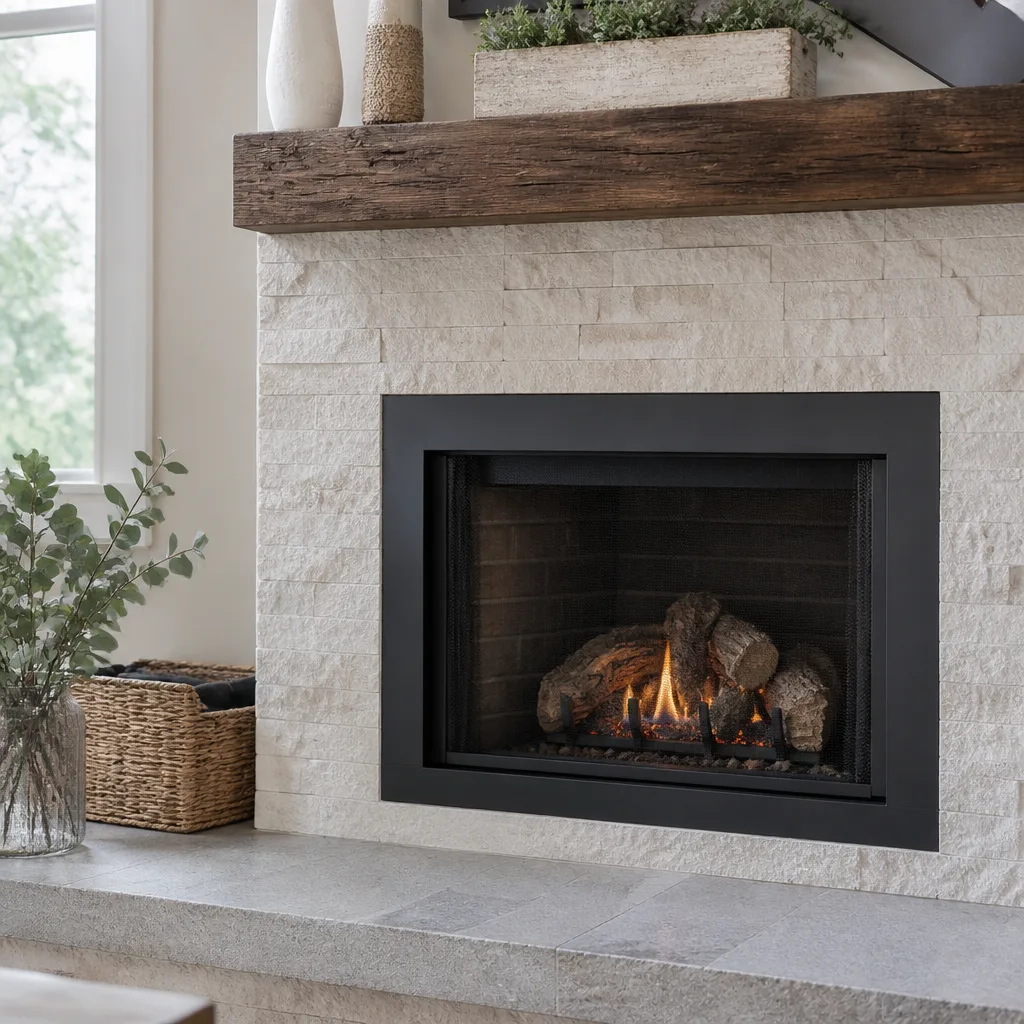 Gas fireplace service
Level 1 sweep and inspection to the NFPA 211 annual standard - flue, crown, cap, and flashing checked and photographed
Chimney sweep logs do not sweep chimneys. They loosen some creosote - which then falls where a brush and vacuum still have to collect it.
Gelco Chimney Cleaning in Great Kills, NY
We provide independent Gelco service across Great Kills, from cap replacement and damper repair to waterproofing and full cleaning. The one thing that makes our Gelco work here different comes down to location: Great Kills sits right on Raritan Bay, and salt-laden air plus nor’easter rain wear Gelco components faster than they would a few miles inland. As an independent Gelco service provider, we’re not affiliated with or authorized by the manufacturer. We simply know these products and how they fail in coastal conditions. Call (855) 789-9672 for a free estimate.
Why Great Kills Residents Choose Us for Gelco Service
Chimneys are all we touch. We don’t do roofs, siding or general contracting on the side, so a Gelco cap or a seized Gelco damper in Great Kills gets handled by a chimney specialist who sees these parts every week.
When we service your Gelco equipment, we use quality parts that fit it: OEM components for critical items like caps and dampers, and quality aftermarket equivalents only for non-structural pieces. We measure, not guess. We also work with HeatShield for liner resurfacing and DuraFlex and Olympia for full relining when a flue is beyond cleaning.
Scheduling is straightforward. You tell us what you’re seeing; we book a visit, and you get a written estimate before any work begins. Our technicians have up to 14 years of experience working on chimney and fireplace systems in Great Kills and across Staten Island.
Styles & brands we work with
- Sweep & inspection
- Caps & crowns
- Flue relining
- Masonry repair
- Gas fireplace service
Common Gelco Chimney Cleaning Problems We Solve in Great Kills
Here’s what we run into most often with Gelco components along the shoreline.
- Caps corroding at welds and fasteners. Constant salt spray and nor’easter rain attack the joints first. Once a fastener weakens, the cap loosens and lets water straight into the flue. In a typical Great Kills split-level, water stains on the ceiling are the first sign, and by then the cap has usually been leaking through a corroded screw for a while.
- Multi-flue caps with rusted screens and worn gaskets. Those gaps let rain mix with soot, and the resulting acidic sludge eats mortar joints from the inside. We see this more here than inland because of how much wind-driven water hits these roofs.
- Seized Gelco dampers. The long heating season from October to April loads the flue with creosote, and humidity does the rest. Dampers that sat fine all summer often stick by the time you need them.
- Cracked clay tile liners paired with original brick chimneys. Great Kills has a lot of 1950s through 1970s capes and ranches with original brick chimneys. Thermal stress and marine moisture crack those tiles, and the repairs need Gelco-specific replacement components to fit right.
- Efflorescence and spalling mortar after storm season. When a nor’easter drives rain into brick and mortar, the damage shows up as white staining and crumbling joints. It’s a masonry issue, but it starts with how water gets past the cap.
Gelco Service in Great Kills: What Local Conditions Mean for Your Equipment
Great Kills’ direct exposure to Raritan Bay means Gelco caps often show rust within 3 to 5 years, far sooner than they would inland. That’s the local insight that shapes everything we do on this side of the island. In neighborhoods near the waterfront, we routinely find that a nor’easter has driven rain down the flue, where it mixes with soot and forms acidic sludge that eats mortar joints from the inside. That failure mode is much rarer even a few miles inland. So cleaning in Great Kills isn’t purely about removing creosote. It’s about spotting spalling mortar and rusted dampers before they turn into structural problems, and replacing caps that are already failing. Owners of post-war capes and ranches here often burn wood as a supplement to costly heating oil, which means heavier creosote loads and a flue that gets more use than a decorative fireplace ever would.
Gelco Models & Products We Service in Great Kills
We work on Gelco 2000 Series, 3000 Series and 5000 Series caps, plus Gelco Custom Cap Systems built for specific flue configurations. We also service the dampers and the liner components tied to these installations. When a cap has to come off, we match the replacement to the actual flue opening and choose corrosion-resistant hardware suited to coastal air. For structural parts, we source OEM Gelco components so the fit is correct; for non-structural items, quality aftermarket equivalents do the job. If your chimney structure is sound, repair is usually the answer. When corrosion or cracking has compromised safety, replacement is the honest recommendation.
See the difference
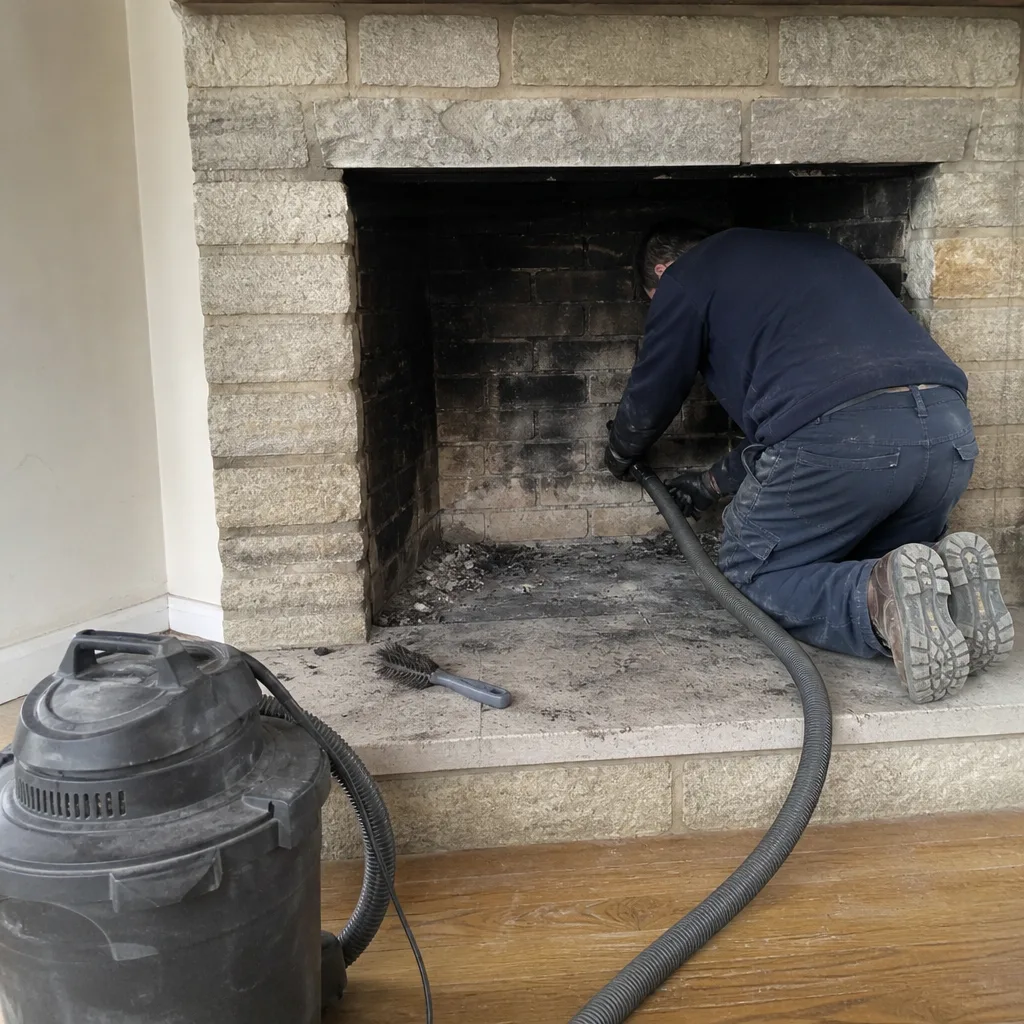 Before
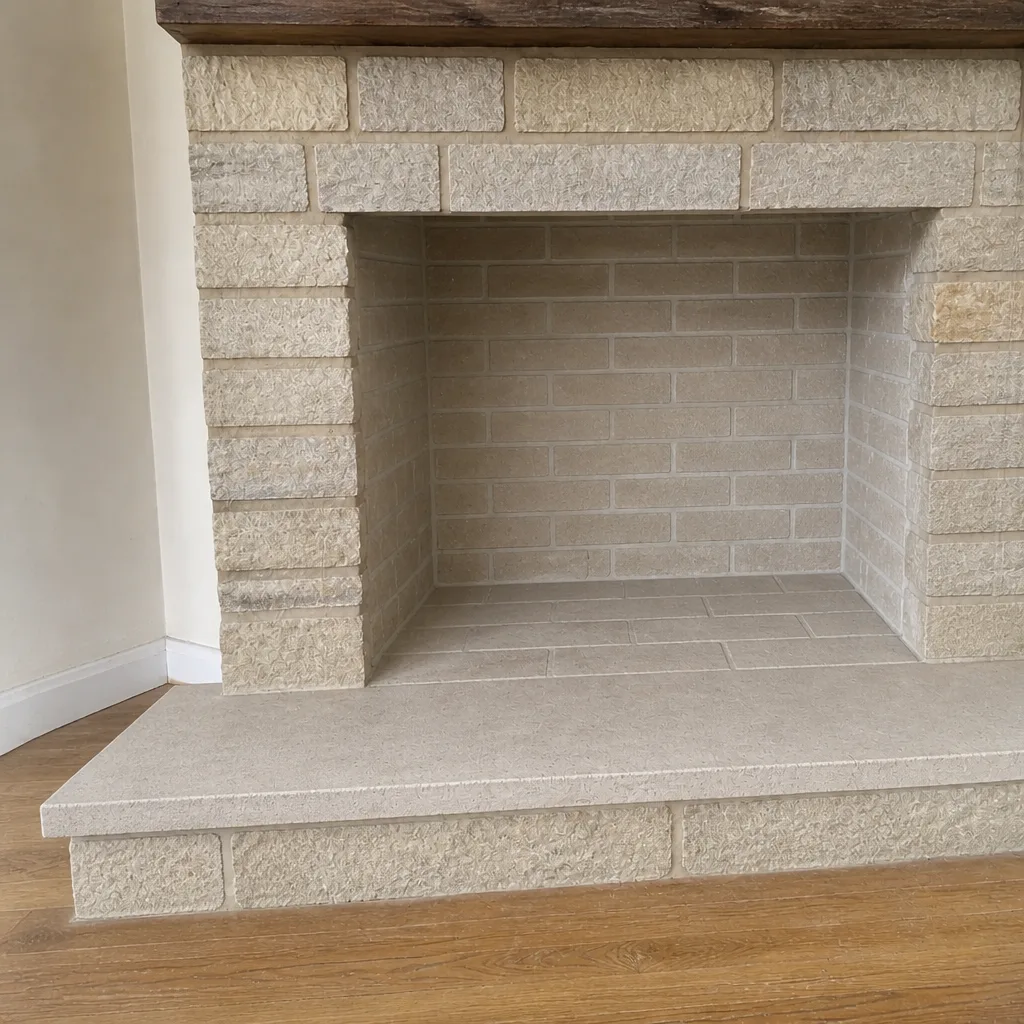 After
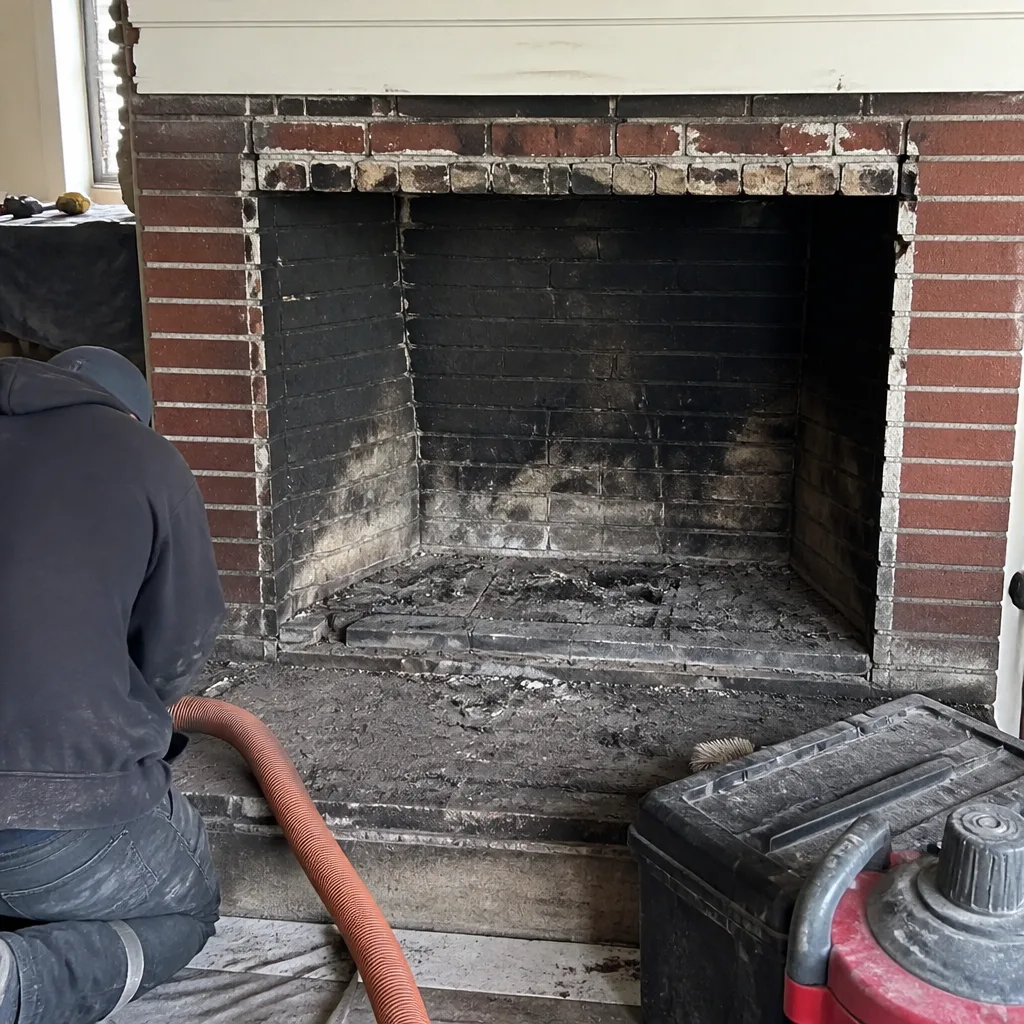 Before
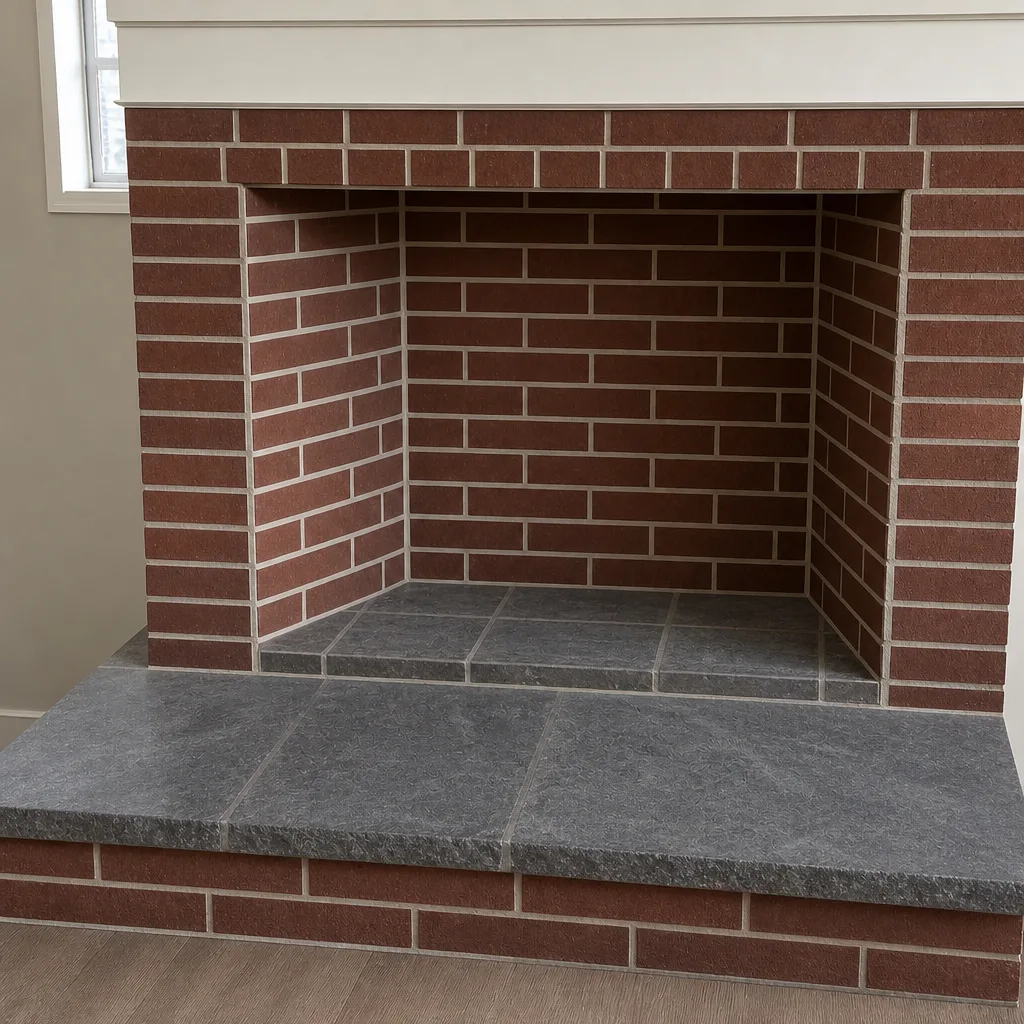 After
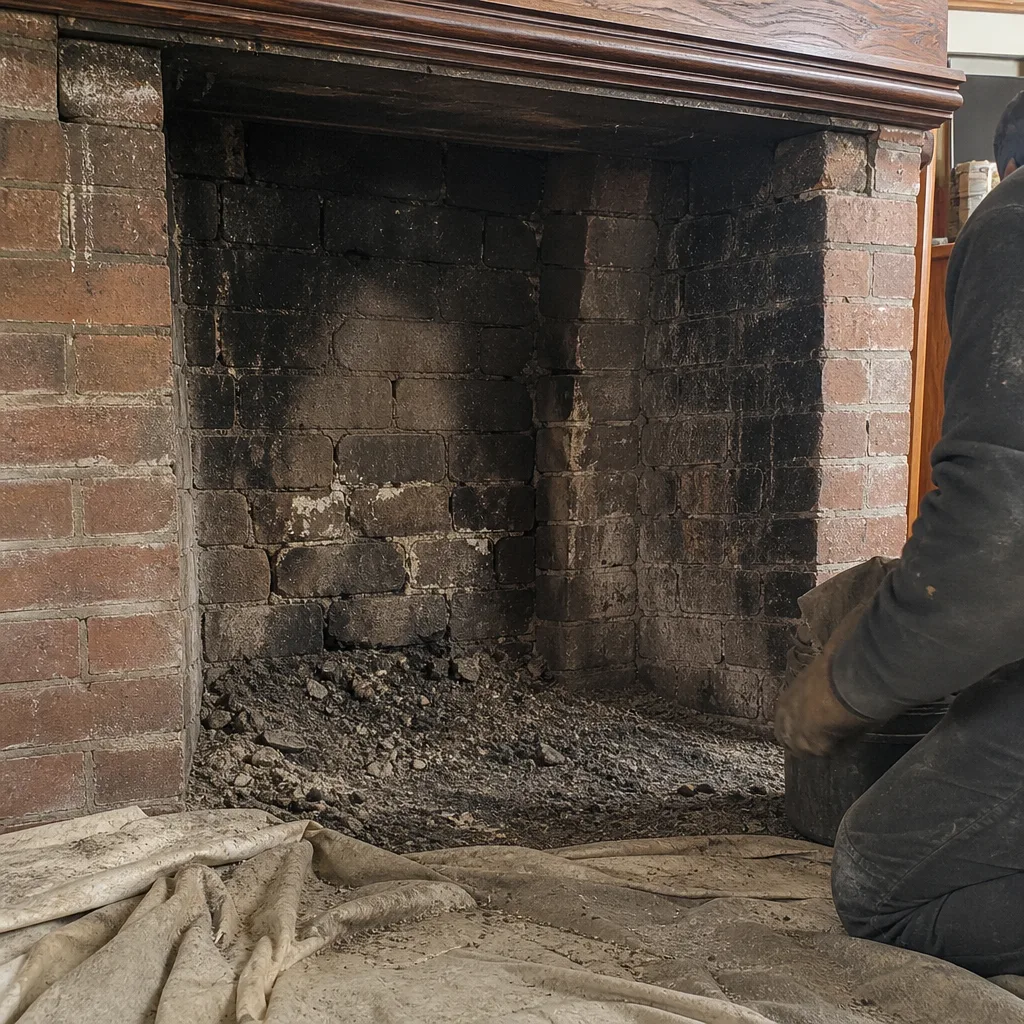 Before
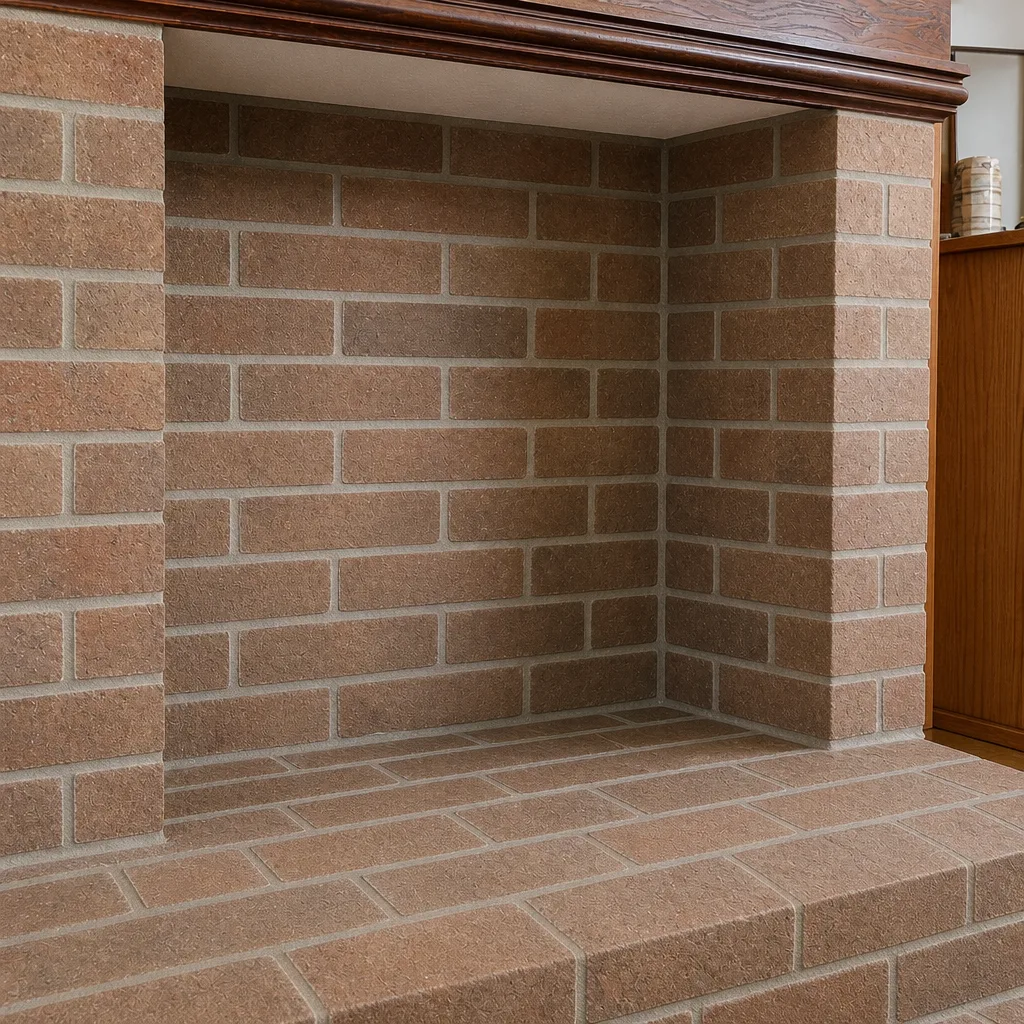 After
Gelco Service Pricing in Great Kills
Every job is priced per job by a written estimate. We don’t quote a flat schedule over the phone because Great Kills chimneys weather differently depending on how close they sit to the bay. Typical work we quote includes cap replacement, damper repair, and chimney waterproofing. What drives cost is the number of flues, the height and pitch of the roof, whether sludge removal and repointing are needed, and the parts involved.
The estimate itself is free, and it sets the final price before we start. If your liner needs attention, we show you camera evidence so you can see what we’re seeing. Call (855) 789-9672 to set one up.
Serving Great Kills, NY – Our Local Coverage Area
We serve Great Kills and nearby communities. Use the map below to see the area we cover. If you’re nearby, we can almost certainly help.
FAQs – Gelco Chimney Cleaning in Great Kills
Salt air corrodes Gelco caps at the welds and fasteners first, usually within 3 to 5 years on the shoreline, which then lets water in. We check those points every visit and replace hardware before a small leak turns into flue damage. Call (855) 789-9672 if you suspect yours is failing; estimates are free.
Humidity plus a long heating season from October to April lets creosote and moisture build up around the damper mechanism, so it sticks. Cleaning and freeing the damper during a routine sweep usually prevents it.
Yes. Rain that gets past a compromised cap mixes with soot and forms acidic sludge that degrades mortar joints and the liner from the inside. Camera inspection shows exactly how far the damage goes. Call (855) 789-9672 for an estimate.
A breathable masonry water repellent applied to the brick, paired with a sound cap and tight flashing, is the right approach here. Sealing the surface without fixing the source of the water just traps moisture inside.
They need their screens and gaskets checked more often than inland caps because salt and wind-driven rain wear them faster. We inspect those parts as part of a standard cleaning.
It’s priced per job by a written estimate, and the estimate is free. Cost depends on flue count, roof access, and whether cap or damper work is needed. Call (855) 789-9672 for an exact quote.
Service Areas Near Great Kills
We also work in Annadale, Eltingville, Port Richmond, West Brighton, Mariners Harbor and New Springville. If you’re nearby and want Gelco service, reach out. Our Great Kills coverage runs alongside our wider work on Gelco components across Staten Island.
Book Your Gelco Service in Great Kills Today
Whether it’s a cap replacement, a sticky damper or a full cleaning, one call covers it. Call (855) 789-9672. We answer 24/7. Fast dispatch, 7am-7pm, Sunday through Friday. Your estimate is free, and the written quote sets the price.
Written by the team at Port Richmond Chimney Sweep.