
Last updated November 23, 2026
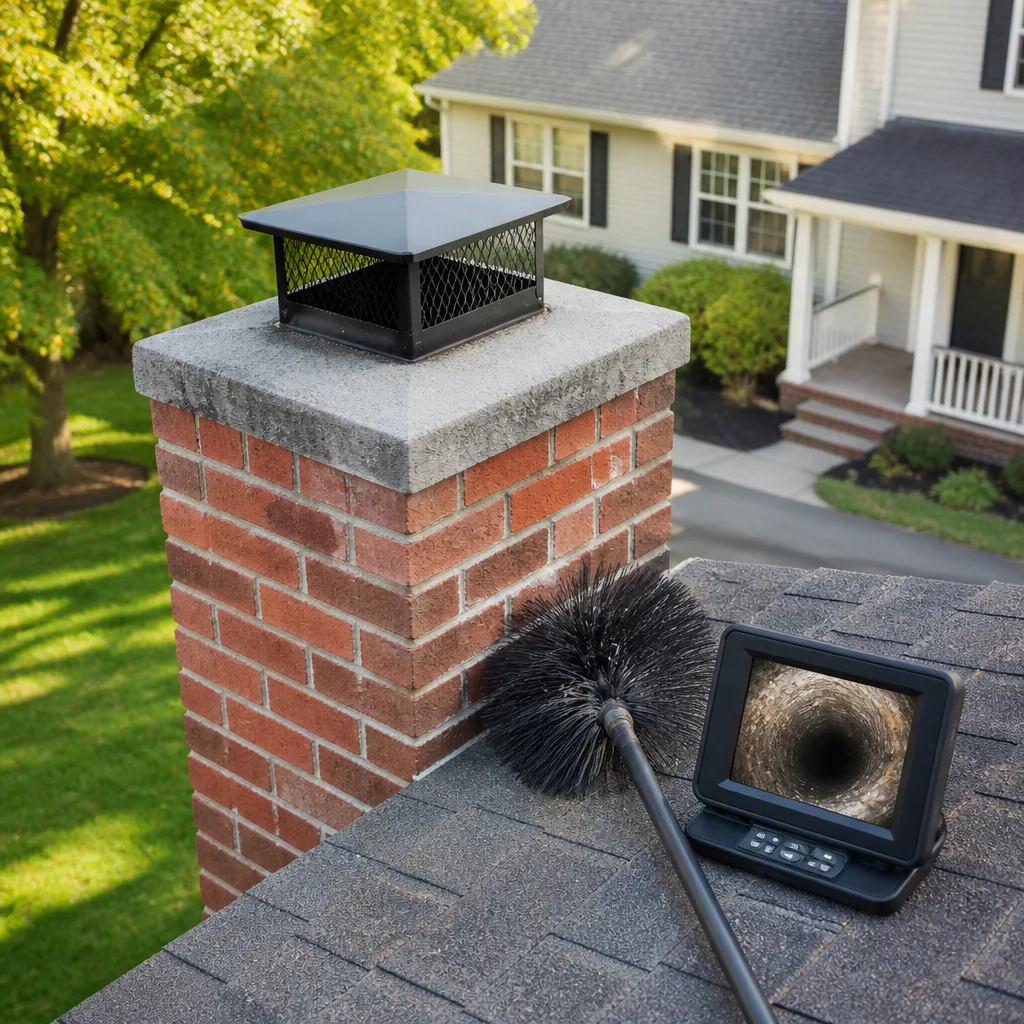 Sweep & inspection
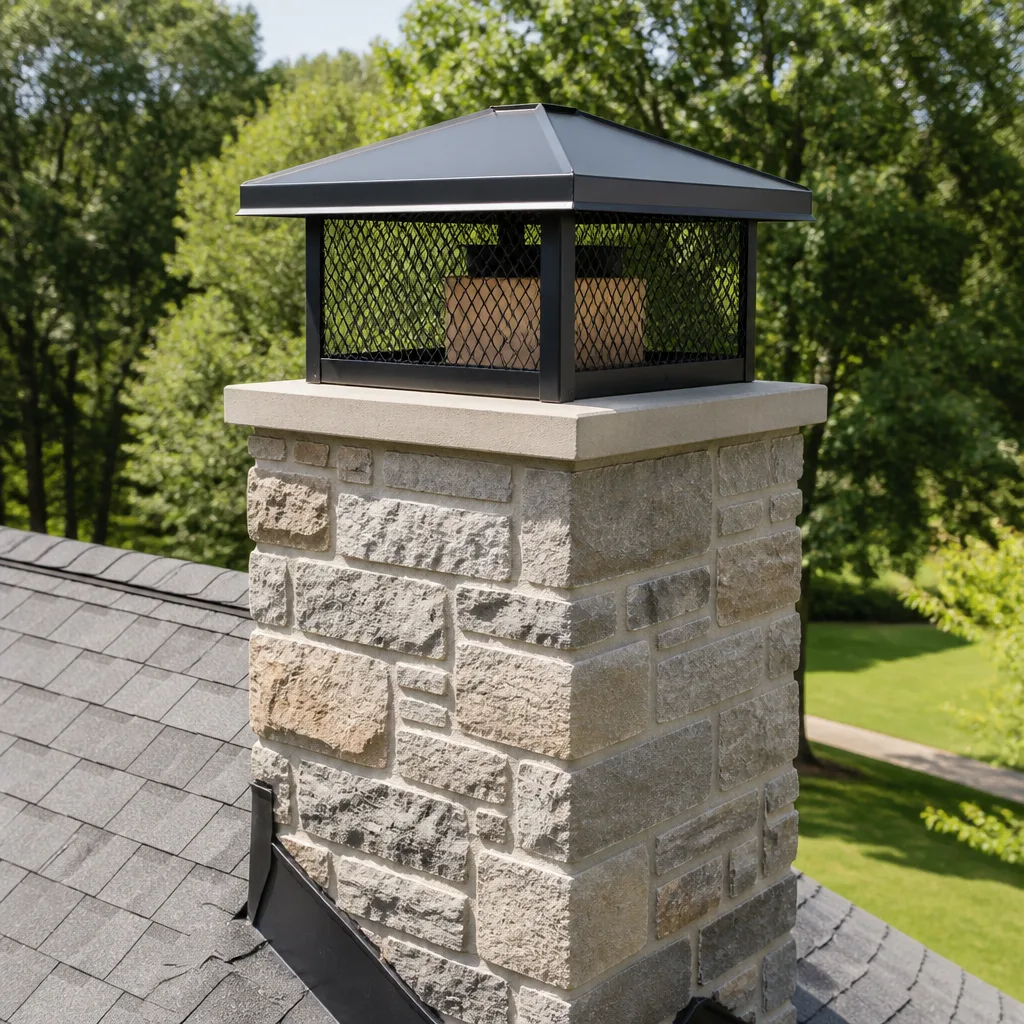 Caps & crowns
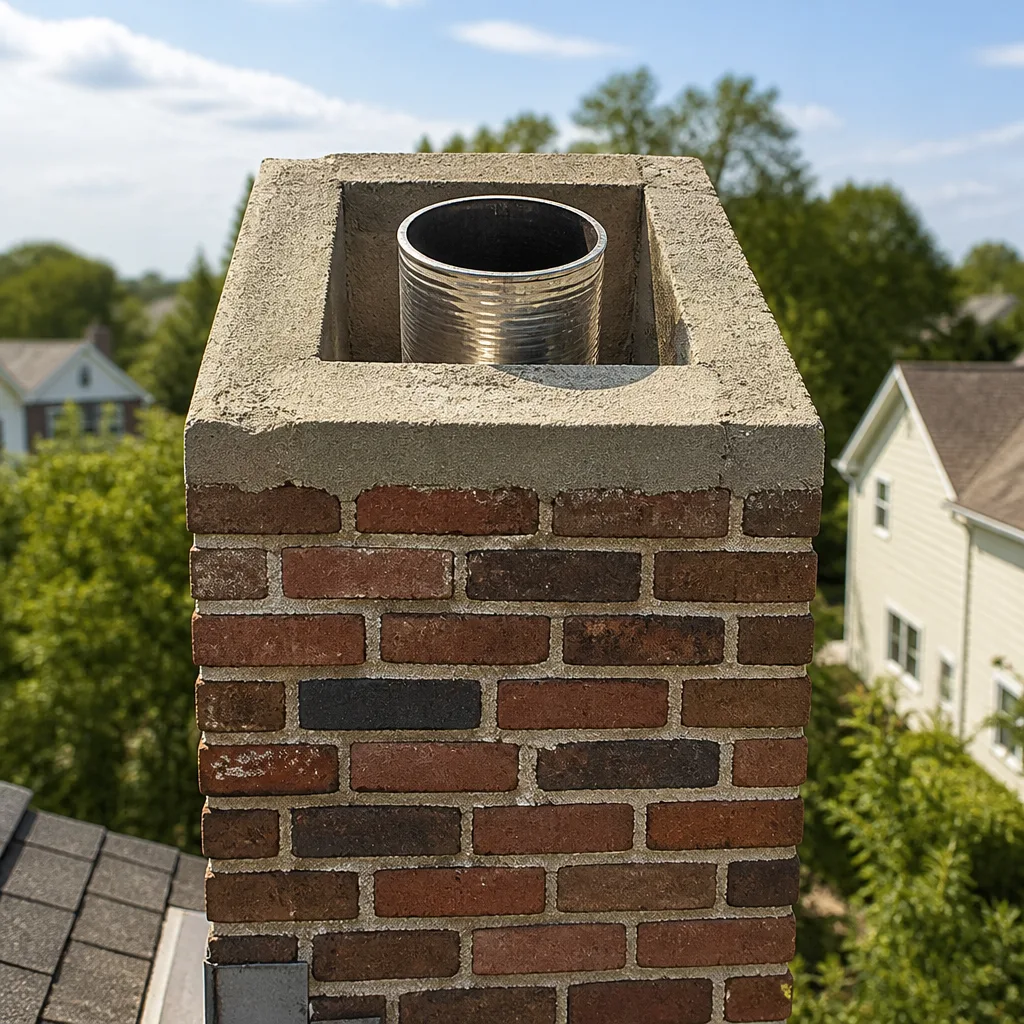 Flue relining
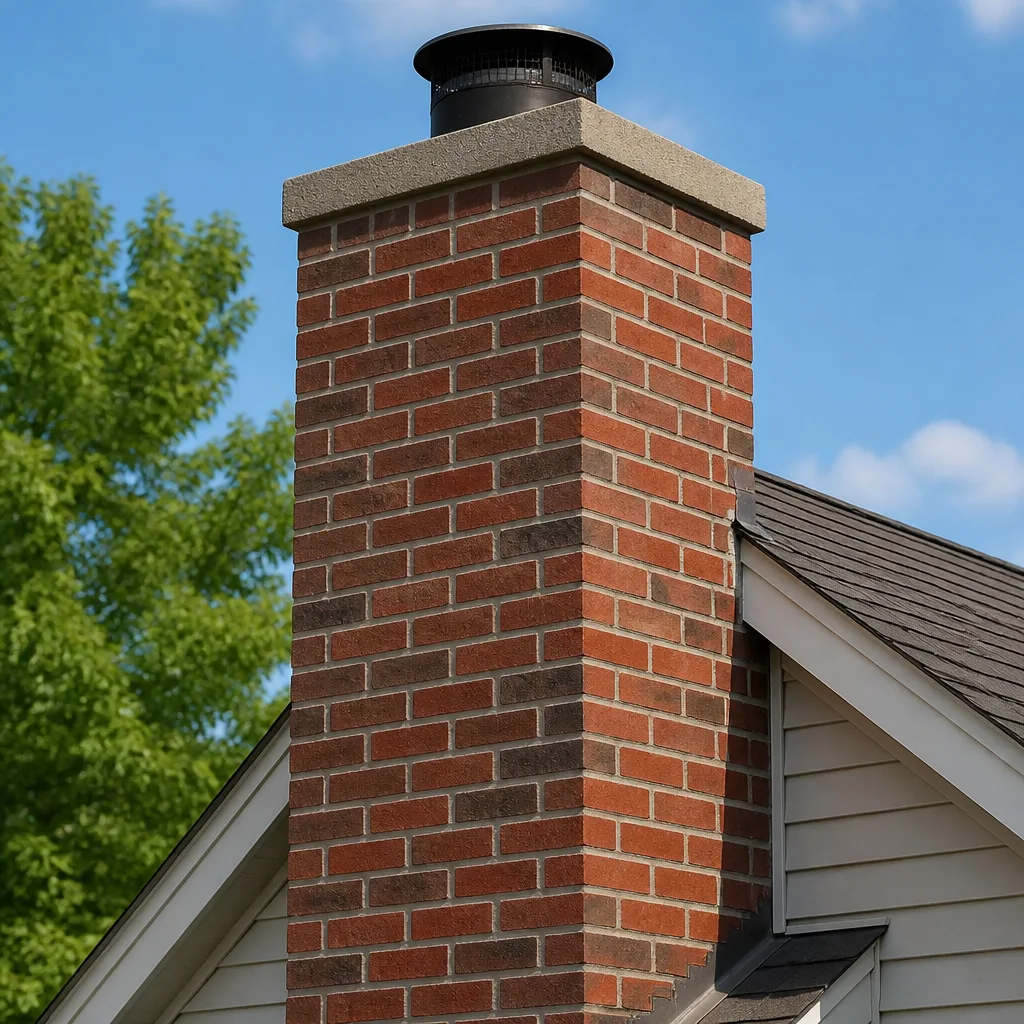 Masonry repair
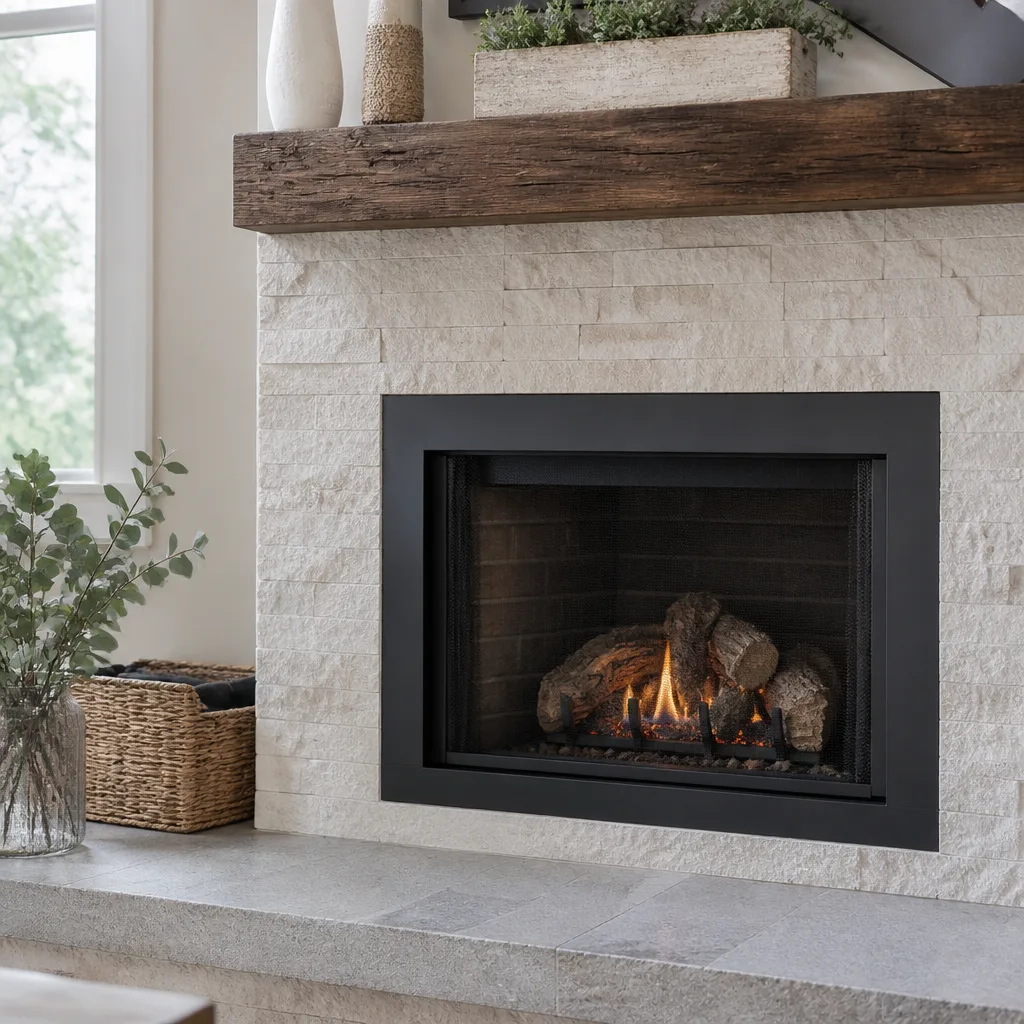 Gas fireplace service
Level 1 sweep and inspection to the NFPA 211 annual standard - flue, crown, cap, and flashing checked and photographed
Chimney sweep logs do not sweep chimneys. They loosen some creosote - which then falls where a brush and vacuum still have to collect it.
Chimney Sweep Troubleshooting in Port Richmond: Common Problems and How to Fix Them
A smoky fireplace and a drafty fireplace look like the same problem, and that’s where most homeowners go wrong. The fix for one makes the other worse: closing down a flue that’s too short to cure a draftless fire kills the draw entirely, and opening a damper wide on a chimney with a cold, oversized flue just floods the room with smoke. Two houses on the same Port Richmond block can have opposite draft problems for the same reason – the roofline next door. In this guide, we’ll walk you through the actual symptoms a chimney gives you, what each one points to, and which fixes a homeowner can safely try before calling anyone. Port Richmond homeowners who understand the difference stop paying for the wrong repair.
Quick Answer
Most Port Richmond chimney problems fall into four buckets: draft problems (smoke or smell entering the room), creosote buildup, a damaged or missing cap and crown, and a flue liner that’s cracked or deteriorated. Draft problems usually trace back to a flue that’s too short, too cold, or blocked, while smoky smell without a fire usually means creosote, a cracked flue, or an open flue top letting in outside air. A visual check and a damper test are safe homeowner steps; anything involving the flue interior needs a professional with a camera before you spend money on a fix.
Styles & brands we work with
- Sweep & inspection
- Caps & crowns
- Flue relining
- Masonry repair
- Gas fireplace service
Table of Contents
- The Symptom-to-Cause Chart: What Your Chimney Is Telling You
- Smoke Backdraft, Downdraft, and Slow Draw: Three Different Problems
- Why the Same Smoky Smell Means Different Things
- How Port Richmond’s Row-Home Construction Changes the Draft
- What You Can Safely Check Yourself vs. What Needs a Pro
- When a Repair Is a Band-Aid on a Structural Problem
- Problem Timing: What Shows Up Before Heating Season vs. Mid-Winter
- Common Mistakes to Avoid
- When to Call a Professional
- Frequently Asked Questions
The Symptom-to-Cause Chart: What Your Chimney Is Telling You
The most useful thing a homeowner can learn about a chimney is that it almost always tells you what’s wrong before you spend a dollar, if you know which symptom maps to which cause. A chimney doesn’t fail silently. It smokes, it smells, it stains, it crumbles, and each of those is a different signal pointing at a different part of the system. Port Richmond has a lot of older chimneys that have gone through decades of heating seasons, and in our experience the biggest cost isn’t the repair – it’s paying for the wrong repair because the symptom was misread.
Here’s the chart we use when we’re diagnosing a call:
Symptom-to-Cause Reference
- Smoke rolls out of the firebox when you light a fire: most often a blocked or undersized flue, a flue that’s too short above the roofline, or negative pressure in the house. Structural cause: draft failure or obstruction.
- Smoke comes back down when the wind blows: downdraft from a cap that’s the wrong type, a cap that’s missing, or a flue termination that sits below the turbulent air over the roof peak. Structural cause: termination and cap issue.
- Fire burns but lazily, with a weak flame and poor heat: slow draw, usually from a cold flue, a partially closed damper, or a flue that’s oversized for the appliance. Structural cause: flue-sizing and damper issue.
- Smoky, acrid smell even when there’s no fire: creosote residue, a cracked flue liner, or an open flue top pulling damp outside air down. Structural cause: creosote, liner damage, or missing cap.
- Water stains or rust on the firebox or damper: failed crown or missing cap letting water in. Structural cause: crown and cap failure.
- White or dark streaking on the exterior brick: water penetration through the crown or brick, sometimes combined with efflorescence. Structural cause: crown and masonry moisture.
- Crumbling mortar or loose brick around the chimney top: freeze-thaw damage at the crown and mortar joints. Structural cause: crown and masonry deterioration.
Read the chart twice. The same word (“smoke”) appears in three different rows, and each row calls for a different repair. That’s the whole point of troubleshooting: get the cause right before you open the wallet. Our Port Richmond Chimney Sweep team runs this diagnostic on every call before anyone recommends a fix, and that’s the standard we’d want in our own homes.
Smoke Backdraft, Downdraft, and Slow Draw: Three Different Problems
These three terms get used interchangeably by homeowners, and they shouldn’t be, because each has a distinct cause and a distinct fix. If you fix a backdraft like a downdraft, you make the backdraft worse. If you fix a slow draw by opening the damper all the way on an oversized flue, you cool the flue and the draw gets slower still. Getting the label right is the difference between a working fireplace and a second service call.
Backdraft
Backdraft is smoke pushed back into the room by pressure, not by wind. It happens when the house is under negative pressure relative to the chimney – usually because a bath fan, kitchen hood, or a tight modern house is pulling air out faster than the chimney can pull it in. In Port Richmond’s older homes, backdraft often shows up after a renovation tightens the house up. The diagnostic step is simple: crack a window near the fireplace before lighting. If the smoke stops, it’s backdraft, and the fix is air supply, not a taller chimney.
Downdraft
Downdraft is wind-driven. Smoke reverses into the room only on certain wind directions, and the cause is almost always the termination – a missing cap, a cap that’s the wrong type for the flue, or a flue that terminates in the turbulent zone over the roof. A properly installed chimney cap & crown engineered for the flue size usually solves downdraft on its own. A generic flat cap that sits lower than the surrounding roofline will make it worse.
Slow Draw
Slow draw is neither. The fire lights, but it’s sluggish and low-heat, and the smoke stays in the firebox rather than reversing. Slow draw almost always comes from a flue that’s too cold, too large for the firebox, or partly blocked by creosote. Warming the flue with a rolled newspaper held in the firebox – not lit near any part of the chimney structure – settles the cold-flue diagnosis quickly. If the fire draws better after a minute of that, you have a cold-flue problem, not a structural one. If it doesn’t, the flue needs inspection.
Why the Same Smoky Smell Means Different Things
A chimney that smells smoky when the fireplace is cold is one of the most common calls we get, and it’s also the one where homeowners most often skip the professional and buy the wrong thing. The smell is the same. The cause is one of three – creosote, a cracked flue liner, or an open flue top – and the fix is different for each. Before you call anyone, you can narrow it down in about five minutes with three tests.
- The close-the-damper test. With the damper closed and the firebox cold, does the smell weaken or disappear? If yes, you likely have creosote residue or an open flue top pulling outside air down the chimney. If no, the smell is coming from the firebox lining or the flue itself.
- The weather test. Does the smell show up only on certain days – humid, rainy, or when the wind is from a particular direction? Weather-dependent smell usually points at the cap and flue top. Creosote smell is steady. A cracked flue smelling worse in damp weather is also common – the moisture reactivates the residue.
- The stove-and-fan test. Run a bath fan or the kitchen hood for five minutes. If the smell gets stronger, you’re pulling air down the chimney through a negative-pressure path. That points to a flue top that isn’t sealed properly.
What these tests can’t tell you is whether the creosote in your flue has reached the glazed, third-degree stage that requires specialized sweeping instead of a standard brush, or whether the flue liner has a hairline crack that only shows up on camera. That’s the work a chimney sweep with a video inspection does, and it’s also the work that stops you from putting a cap on a flue that actually needs liner repair. If you’re smelling smoke from the fireplace area with no fire burning, our honest advice is to get the camera in before buying any cap or sealant.
How Port Richmond’s Row-Home Construction Changes the Draft
Port Richmond’s housing stock is a major factor in chimney troubleshooting, and it’s the part that generic online advice never covers. The neighborhood has a lot of older row-home construction, where chimneys sit on shared party walls and terminate close to the neighboring rooflines. That produces a specific set of problems that a suburban freestanding chimney doesn’t have.
Height-to-Roofline Ratio
A chimney needs to terminate above the turbulent air that rolls over the roof peak, and in a row-home neighborhood that turbulence is shaped by the roofline of the house next door as much as your own. A chimney that was tall enough when it was built can become too short the moment a neighbor adds a dormer, a taller roof section, or a new cap. That’s why the same chimney can smoke for one Port Richmond homeowner and not for the neighbor across the party wall. In our experience, more draft complaints in Port Richmond trace back to roofline changes next door than homeowners realize. The fix isn’t always a full chimney extension – sometimes a properly sized cap and a re-terminated top are enough – but it requires measuring the actual height relative to the surrounding roofline, not guessing.
Shared Masonry and Party Wall Migration
In a shared chimney, a flue serving one unit can leak smoke or odor into the neighboring flue through cracks in the shared masonry between them. Homeowners often blame their own fireplace, when the source is next door. This is one of the situations where a camera inspection isn’t optional. A visual check can’t see through mortar joints, and a repair targeted at the wrong flue does nothing.
Older Flue Tile Sizes
Many Port Richmond homes were built with flue tiles sized for coal or older wood fireplaces and later converted to wood or gas appliances. A flue that’s oversized for the current appliance runs cold and drafts poorly, and that produces exactly the slow-draw symptom described above. The correct fix is relining to a properly sized liner – DuraFlex and Olympia Chimney liner systems are the two we specify most often for that job – not a bigger fire or a taller chimney.
None of this is a reason for alarm. It’s a reason to diagnose before you repair. A Port Richmond chimney is more likely to have a draft issue tied to its roofline, its neighbors, or its original flue sizing than a chimney in a newer subdivision, and troubleshooting should reflect that.
What You Can Safely Check Yourself vs. What Needs a Pro
We’re asked this more than any other question, and we give the same answer every time: there’s real diagnostic value in the checks a homeowner can do safely, and there are very real risks in the ones they can’t. The line isn’t about talent. It’s about the tools and the stakes. Here’s how we draw it.
Safe Do-It-Yourself Checks
- A visual inspection of the firebox. Look for cracked firebrick, loose mortar joints, or white staining. You’ll know instantly if something looks wrong, even if you can’t name the cause yet.
- A damper test. With no fire, open and close the damper and watch how it moves. A damper that sticks, wobbles, or won’t close fully is a fireplace repair candidate.
- A visual check of the chimney cap from the ground. Use binoculars. Look for rust, obvious impact damage, or a missing cap entirely. Don’t climb on the roof – that’s the whole point.
- A draft test. Candle or incense near the open firebox with no fire lit. Watch which way the smoke drifts. This tells you whether the flue is pulling air in at all.
- A weather-pattern log. Note when the smell or smoke appears and which way the wind is blowing. That log is diagnostic gold when a technician arrives.
What Requires a Professional
- Anything above the damper. The flue interior, the crown, the cap, and the top of the chimney are all off-limits for a safe home check. The height and the fall risk alone rule it out.
- Any use of a camera or sweeper brush. A professional flue camera sees cracks, gaps, and creosote staging that no homeowner check can. Same goes for sweeping brushes – used incorrectly they can damage flue tiles.
- Chimney fire residue. If you’ve had even a small chimney fire, the flue needs inspection before the next fire. A homeowner can’t see the thermal damage to flue tiles that follows a fire.
- Carbon monoxide symptoms. If anyone in the house has headaches, dizziness, or nausea that gets better when they leave, treat it as an emergency. Get out, call for help, and don’t troubleshoot the chimney yourself.
- Liner, crown, or masonry repair. These are structural fixes with real consequences if done wrong. HeatShield ceramic resurfacing and DuraFlex relining are industry-standard repairs, but they require trained hands.
Our technicians have up to 14 years of experience, and every one of them is a chimney specialist – not a roofer or handyman picking up a job on the side. That matters in the next section.
When a Repair Is a Band-Aid on a Structural Problem
Some chimney repairs are genuinely final: cap replacement, damper repair, crown resurfacing on a sound masonry structure. Others look like a fix but only buy time. Knowing which is which is how Port Richmond homeowners avoid paying for the same symptom twice. In our experience, the signs that troubleshooting has hit its limit and the real issue is structural are specific and visible.
Signs the Repair Won’t Hold
- The same symptom keeps coming back. You’ve had the cap replaced and the smoking returns within a season. You’ve had the damper adjusted and the draft problem reappears. Recurring symptoms after a repair almost always mean the underlying cause wasn’t structural to begin with – it was draft, flue size, or a neighbor’s roofline.
- Water keeps getting in after the crown was patched. A patched crown is a short-term answer when the damage goes deeper into the brickwork behind it. Proper crown replacement avoids that cycle.
- The flue liner is cracking in more than one place. Spot-patching a single crack can be reasonable. Patching multiple cracks across the liner is a tell that the liner is failing, and the honest fix is relining with a system like DuraFlex or Olympia Chimney.
- The firebox lining is spalling. Flaking, powdering, and crumbling firebrick inside the firebox is a sign of heat damage and moisture. Repointing the visible joints won’t fix the underlying failure.
- White staining reappears after it’s cleaned. Efflorescence that returns within a season is moisture migrating through masonry. Cleaning the stain is cosmetic. Stopping the moisture is the repair.
Why the Band-Aid Approach Costs More
A cap replacement, a damper repair, or a flue patch is inexpensive on its own. Three of them stacked over a season is more than the structural fix would have cost. When a symptom keeps returning after a repair, the diagnosis was wrong, not the repair. Asking specifically for “the cause, not the symptom” on the first call is the best way to avoid this. A specialist who can look at the whole system – sweep, inspect, cap, crown, and liner – can give you a real answer. That’s the model we work from, and it’s why we run a full camera inspection before recommending any repair.
Problem Timing: What Shows Up Before Heating Season vs. Mid-Winter
The chimney has a calendar. Certain problems show up in the fall when the first fire of the season is lit, and different problems show up in the middle of winter when the chimney is being used hard. Knowing which is which helps a Port Richmond homeowner decide what’s a real emergency and what can wait for a scheduled visit. Here’s how the seasons break it down.
Late Summer and Early Fall
- Smoke on the first fire of the season. The flue is cold, and the house is often still running air conditioning or has been closed up. A slow draw with the first fire isn’t unusual. If the problem continues past the second or third fire, it’s not the cold – it’s the chimney.
- Animal nests in the flue. Birds and squirrels find open flue tops of their own accord when the chimney hasn’t been used all summer. A missing or damaged cap is the usual entry point, and a professional sweep is the way to remove the nest safely.
- Odor problems before the first fire. Stack effect – the pressure difference between a warm house and cold outside air – pulls odors down an unused chimney in cooler weather. This is often the exact moment a homeowner notices a cracked flue or heavy creosote.
Mid-Winter
- Draft that gets worse in very cold weather. A chimney that drafts fine in October may not draft in January, because a taller, colder outside flue can overwhelm the draw. Treeline and roofline effects are strongest in cold, windy conditions.
- Condensation and water staining. Freeze-thaw cycles at the chimney crown are most active in deep winter. A crown that was marginal in the fall can fail visibly after a hard freeze.
- Chimney fire signs. Puffy creosote, discolored or distorted flue tiles, and a strong acrid smell after a fire are all mid-winter signs that the flue needs inspection.
- Carbon monoxide detector trips. If a CO detector sounds mid-winter, get out of the house and call for help. It’s not a troubleshooting moment; it’s a safety moment.
The takeaway is simple. Fall is the season for inspection and prevention. Winter is the season when problems from the summer show up. Booking an inspection before the heating season starts is how Port Richmond homeowners keep their winter calls to the necessary ones.
Common Mistakes to Avoid
- Treating backdraft and downdraft as the same problem. Both look like smoke in the room, but one is a pressure problem and the other is a wind problem. Fixing the wrong one makes things worse, and in our experience it’s the most common mistake we’re called out to correct.
- Buying a cap before diagnosing the flue. The right cap solves a downdraft. The wrong one creates one. A flat cap on a row-home chimney with a shared roofline is a common mismatch.
- Assuming “smoky smell” means “needs a sweep.” Sometimes it does. Sometimes it means a cracked flue or a missing cap. A visual check and a professional camera inspection separate the three, and the fix is different for each.
- Reaching for a bucket of mortar on a crumbling crown. Patching a failing crown on a Port Richmond chimney without addressing the moisture behind it is a summer-long fix that lasts until the next freeze. Proper crown replacement stops the cycle.
- Burning “seasoned” wood from a stack that’s sat outside all summer. Damp wood produces more creosote, and creosote is the fuel that turns a slow-burning fire into a chimney fire. Dry wood in fall matters more than any cleaning shortcut.
- Skipping the inspection after a small chimney fire. A chimney fire the homeowner didn’t notice is a common finding. The flue tiles can be cracked well before the fire is dramatic enough to see.
- Calling a roofer or handyman for a chimney issue. A chimney specialist brings a camera, a full-length brush, and structural repair training. A generalist, in our experience, ends up calling one anyway – after you’ve paid for the first visit.
When to Call a Professional
Some chimney symptoms are a wait-for-the-appointment conversation, and some aren’t. Call us today if any of the following is true: smoke is entering the living space when a fire is burning (that’s a safety problem, not a nuisance), a carbon monoxide detector is sounding or a family member is experiencing CO symptoms, the flue has visible cracks, spalling, or crumbling firebrick, you’ve had a chimney fire even a small one, water is coming into the firebox or staining the wall, or the chimney cap is missing or obviously damaged. Also call if a symptom has returned after a repair – the diagnosis was wrong, and it needs to be redone. Port Richmond Chimney Sweep offers free estimates in Port Richmond. Call (855) 789-9672. We answer 24/7. Fast dispatch from 7am to 7pm, Sunday through Friday.
Frequently Asked Questions
Backdraft is smoke pushed into the room by negative pressure in the house, usually from a fan, cooking hood, or a tightly sealed home, while downdraft is smoke reversed by wind coming down the chimney top. It matters because the fixes are opposite: backdraft needs more air supply in the house or a taller flue, while downdraft needs a properly installed cap and a re-terminated flue top. Fixing a backdraft as a downdraft (putting on a bigger cap) does nothing, and fixing a downdraft as a backdraft (opening windows) only masks the problem. Call (855) 789-9672 for an exact diagnosis – estimates are free.
Once a year for most wood-burning fireplaces actively used during the heating season, and more often if the fire is used heavily or the wood is not well seasoned. Gas fireplaces still need an annual inspection even if the firebox is clean, because a lot can change in the flue without the homeowner seeing it. If you’re not sure when the last sweep happened – which is common after a home purchase – book an inspection first and the sweep follows if it’s needed. Call (855) 789-9672 – estimates are free.
A smoky smell with no fire almost always comes from one of three causes: creosote residue in the flue, a cracked flue liner letting odor into the house, or an open chimney top pulling damp outside air down when the chimney isn’t in use. Weather patterns help narrow it, but the only reliable diagnosis is a professional camera inspection. A cap seal or a liner repair may be the fix, and the fix differs by cause. Call (855) 789-9672 – estimates are free.
You need a new liner only if the camera shows the existing one is cracked, spalling, has gaps in the joints, or has been heat-damaged by a chimney fire. A liner that’s sound doesn’t need replacing, and an honest chimney specialist should tell you so. The specific fix – a HeatShield ceramic resurfacing for a mildly damaged liner, or a full DuraFlex or Olympia Chimney reline for a compromised one – should match what the camera actually shows. Ask to see the photos. Call (855) 789-9672 – estimates are free.
Creosote builds up in the flue over one or more seasons, and the risk rises with it. Third-degree glazed creosote – the hard, tar-like staging – is the most flammable form, and it’s the leading fuel in a chimney fire. Separately, a flue that’s had unchecked buildup can also reduce draft, producing the smoky, lazy-fire symptoms described above. Skipping the sweep doesn’t cause a fire tomorrow, but it shortens the window in which a small issue becomes a structural repair. Call (855) 789-9672 – estimates are free.
Row-home chimneys share rooflines and often share masonry, and that means a neighbor’s roofline change – a new dormer, a taller roof section, a different cap – can alter the turbulent air at your chimney top. Two chimneys the same height can therefore behave differently on the same block. Shared masonry also means a crack between adjacent flues can leak odor or smoke from one unit into the other. A camera inspection of the flue and a measurement of termination height relative to the surrounding roofline is the only way to diagnose it properly. Call (855) 789-9672 – estimates are free.
The Bottom Line
Chimney problems in Port Richmond are almost never “bad weather” or “old age.” They’re specific symptoms with specific causes, and most of them can be identified before you spend a dollar. Learn the symptom-to-cause chart. Learn the difference between backdraft, downdraft, and slow draw. Learn what a smoky smell without a fire actually means. Stay off the roof. Get a camera inspection before any structural repair is recommended, and ask to see the photos. When a repair keeps coming back, treat that as a diagnostic failure, not a repair failure, and get the cause right the second time. Our technicians have up to 14 years of experience, we work with professional-grade brands including Copperfield, DuraFlex, HeatShield, and Gelco, and we work on chimneys – only chimneys. That’s the whole scope.
If you’re ready to stop guessing and get a real diagnosis, call (855) 789-9672 for a free estimate. We answer 24/7. Fast dispatch from 7am to 7pm, Sunday through Friday. Estimates are free, the price is set per job by the written estimate, and nothing is recommended until the camera shows you why.
Written by the team at Port Richmond Chimney Sweep.
See the difference
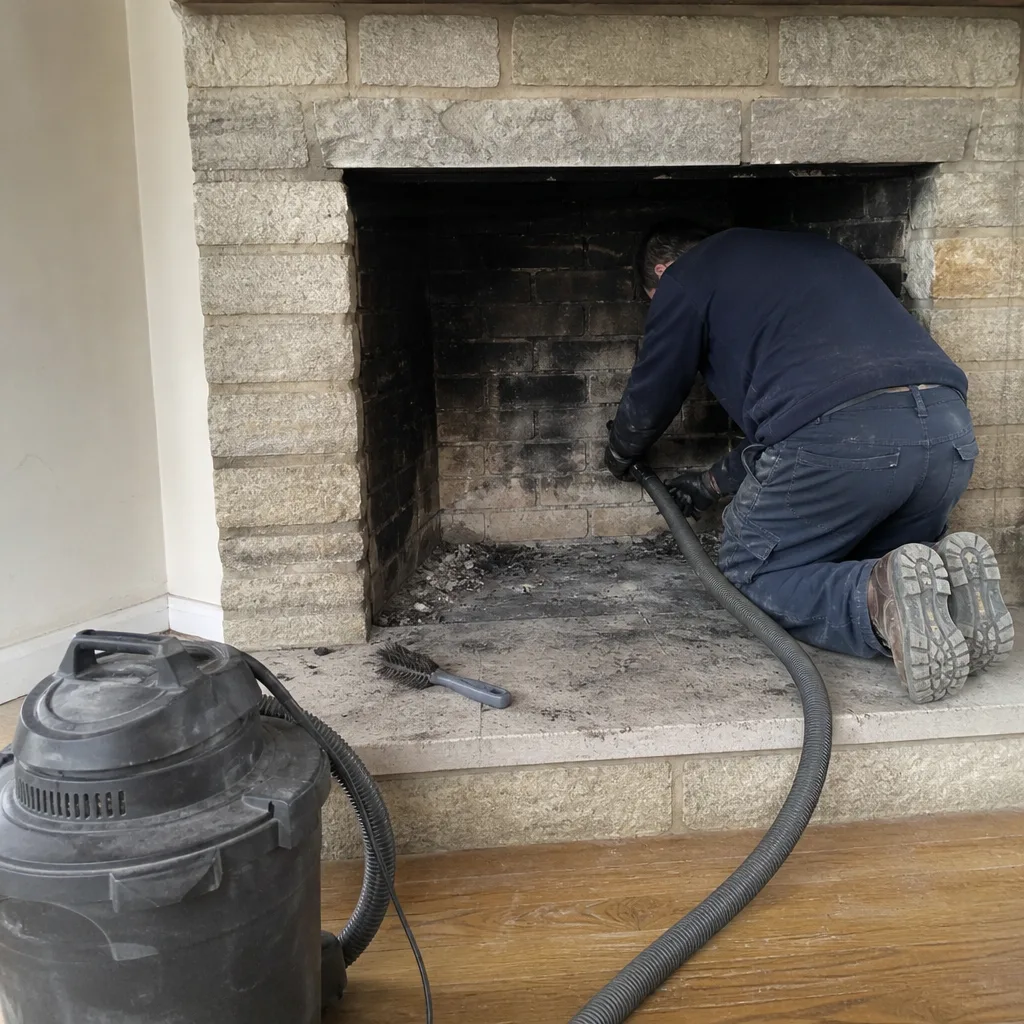 Before
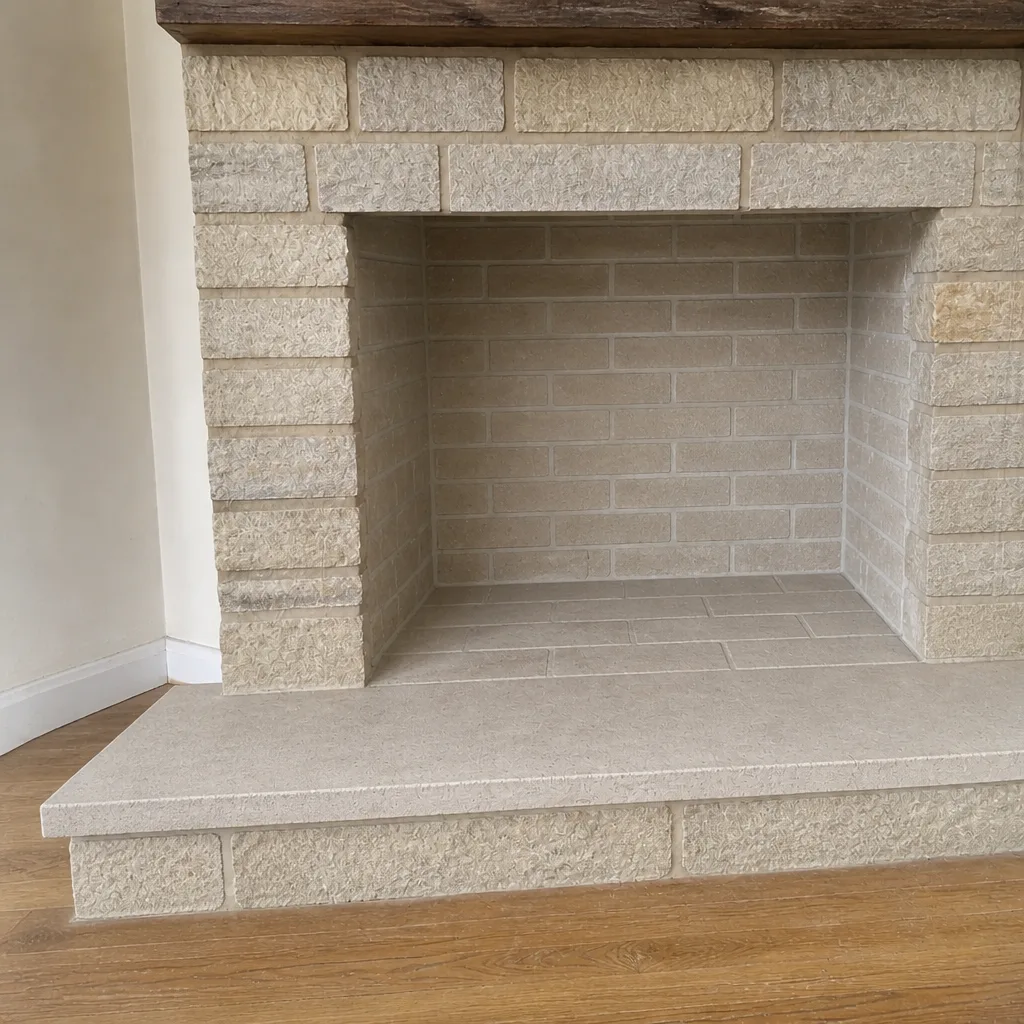 After
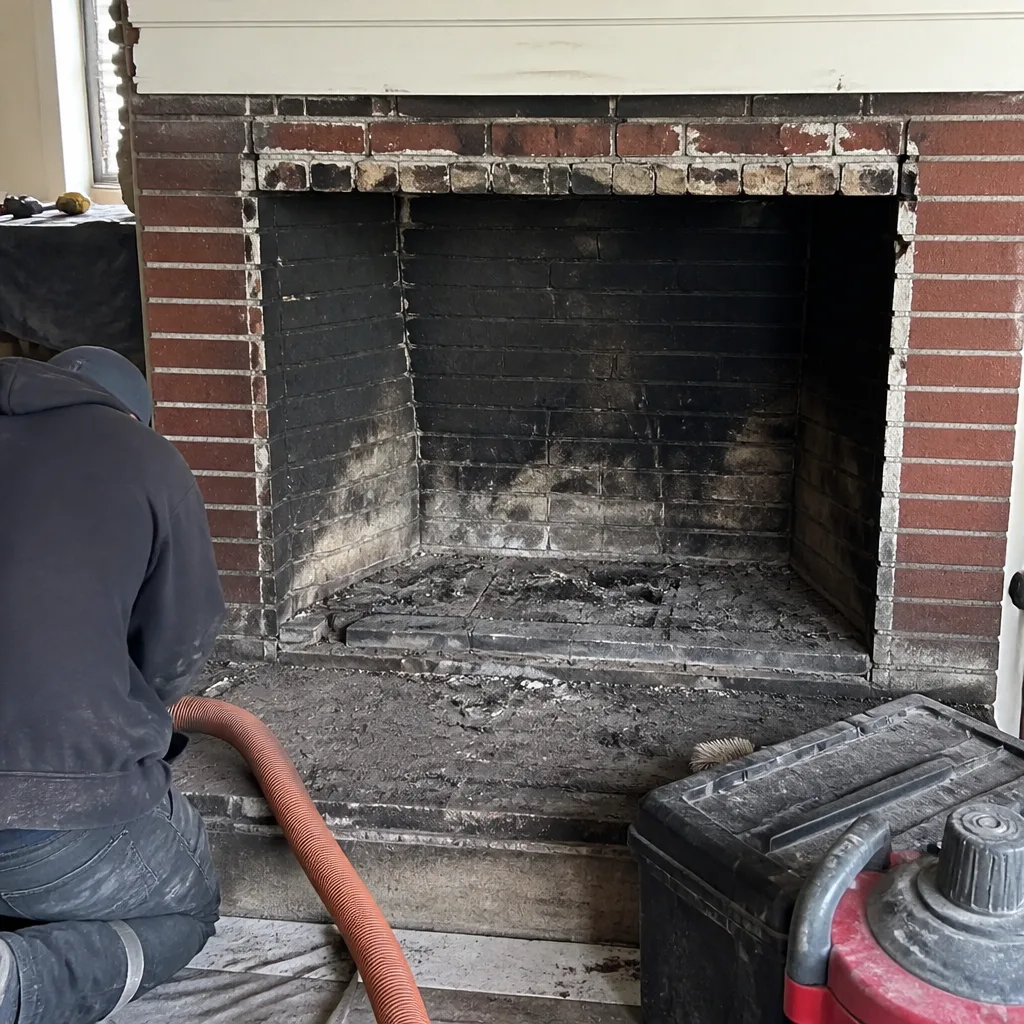 Before
 After
 Before
 After