
Last updated November 23, 2026
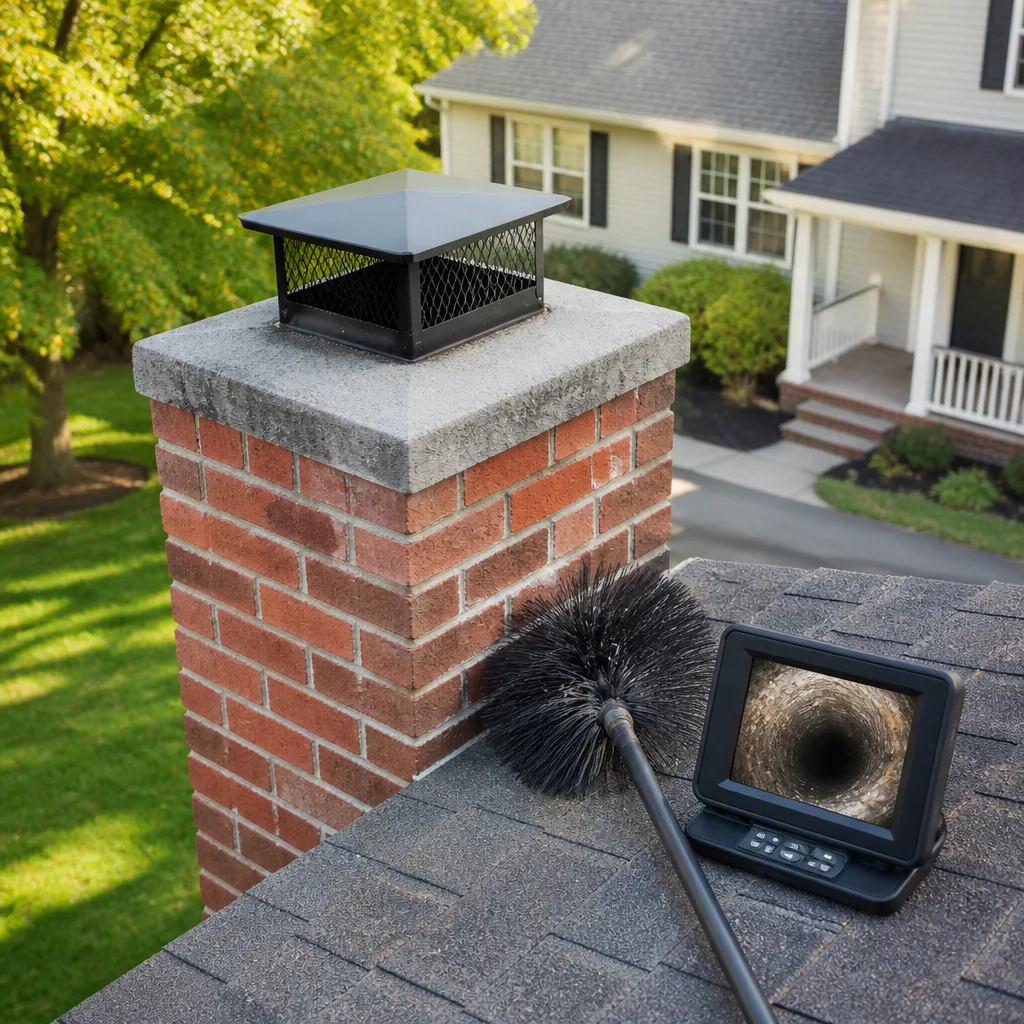 Sweep & inspection
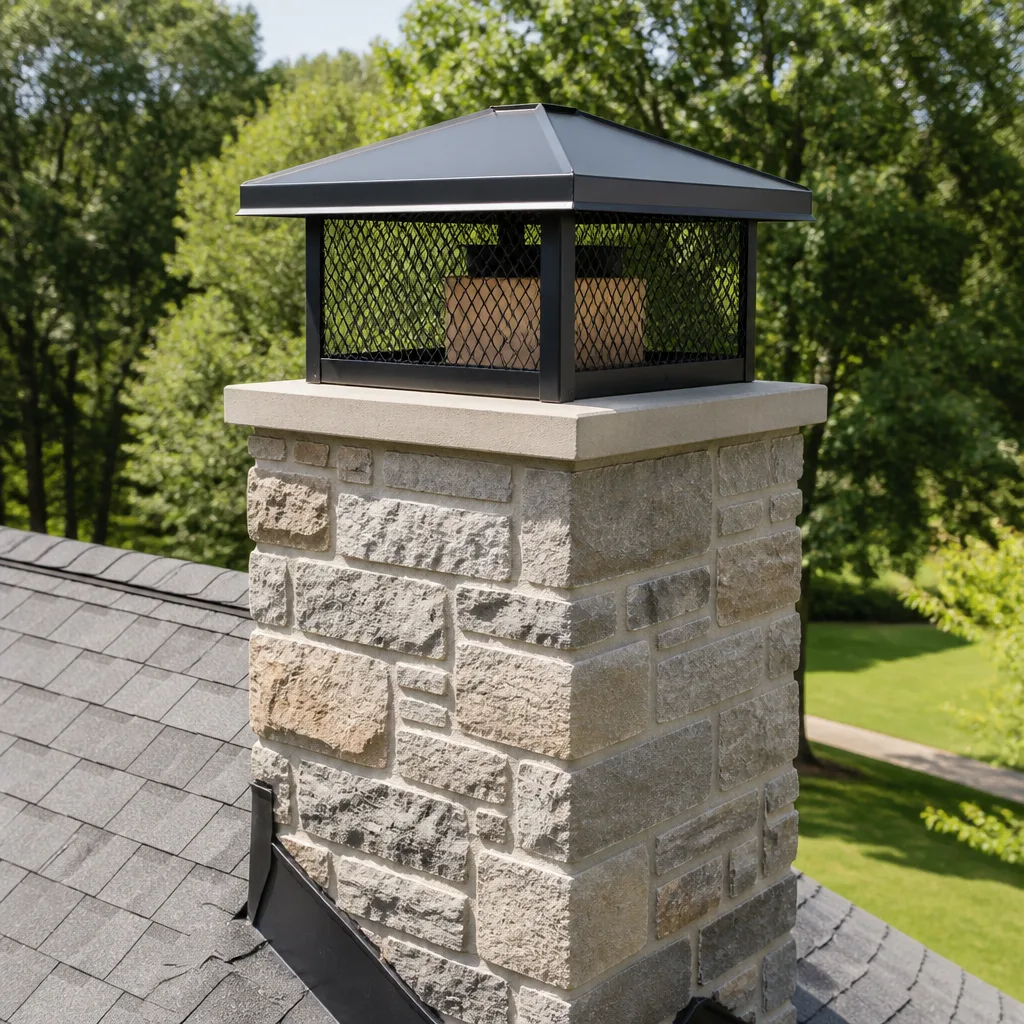 Caps & crowns
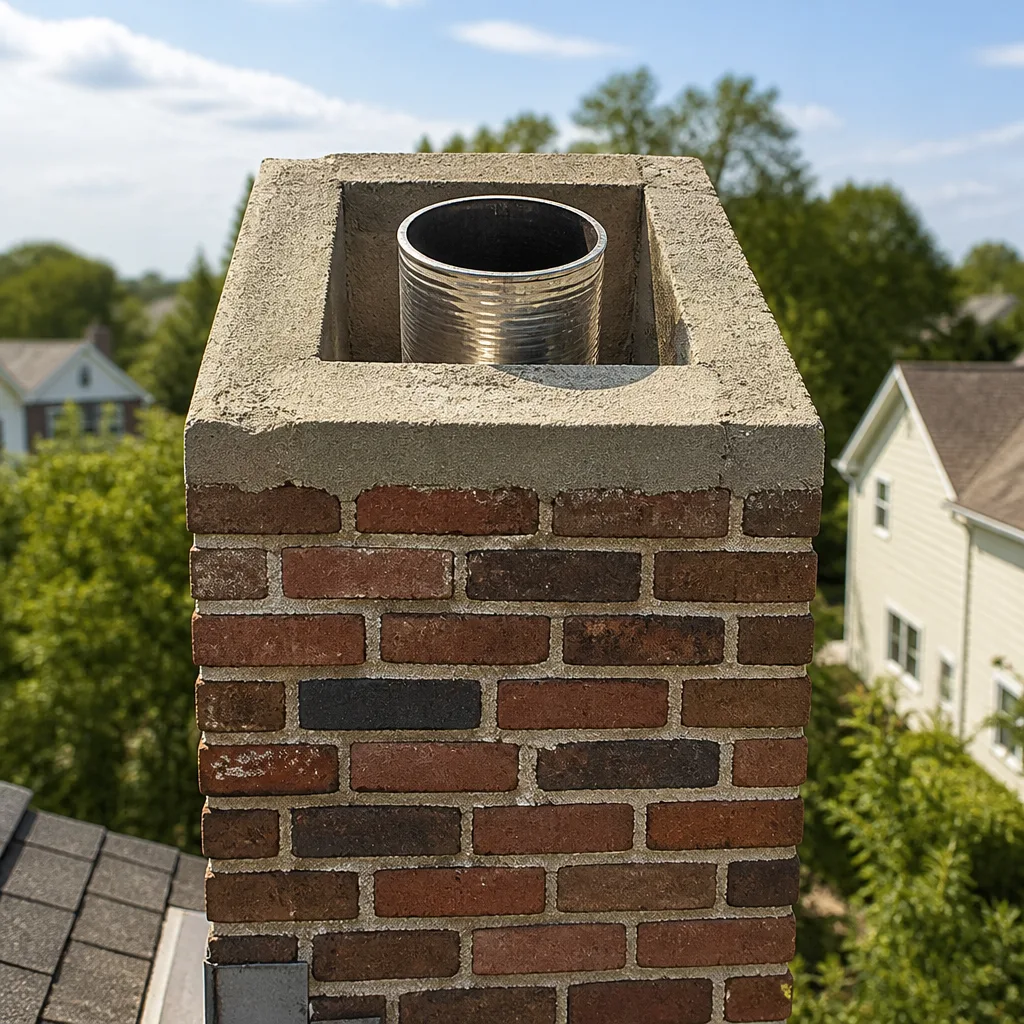 Flue relining
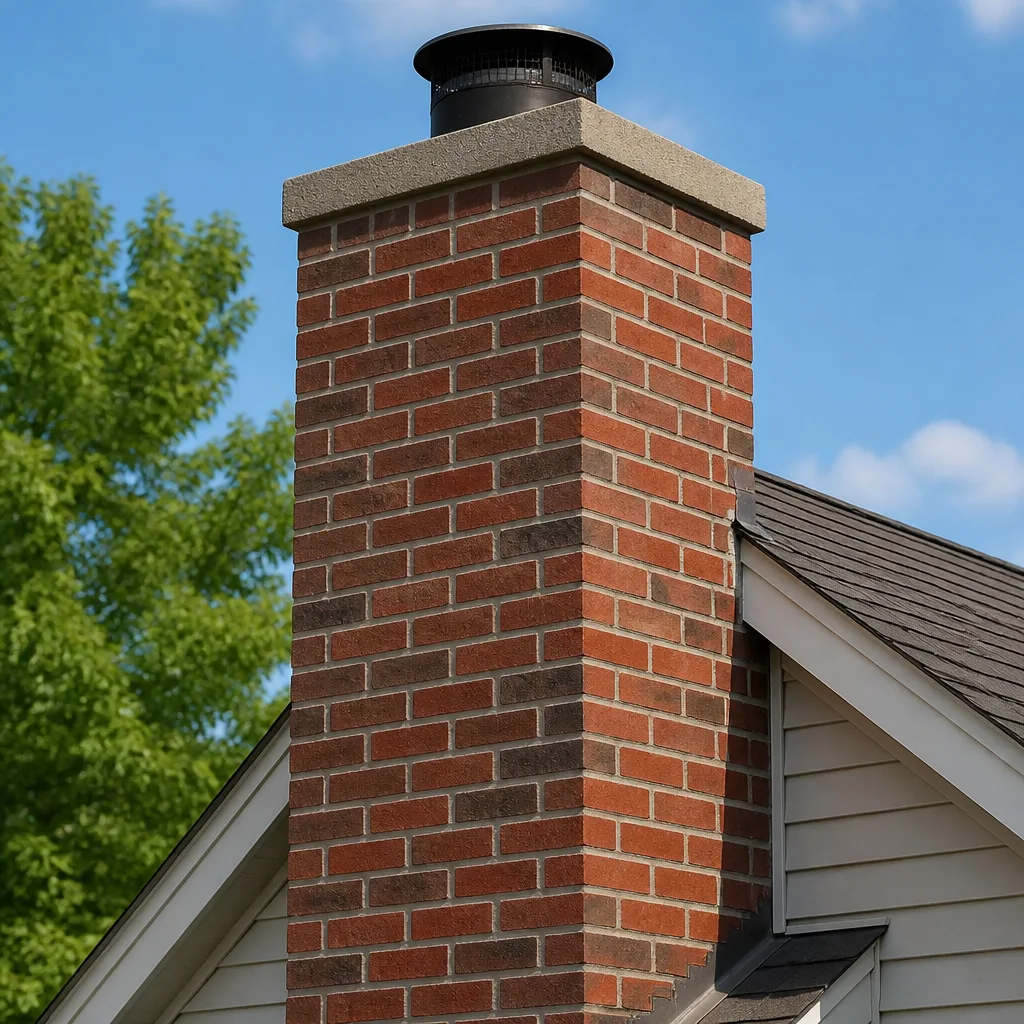 Masonry repair
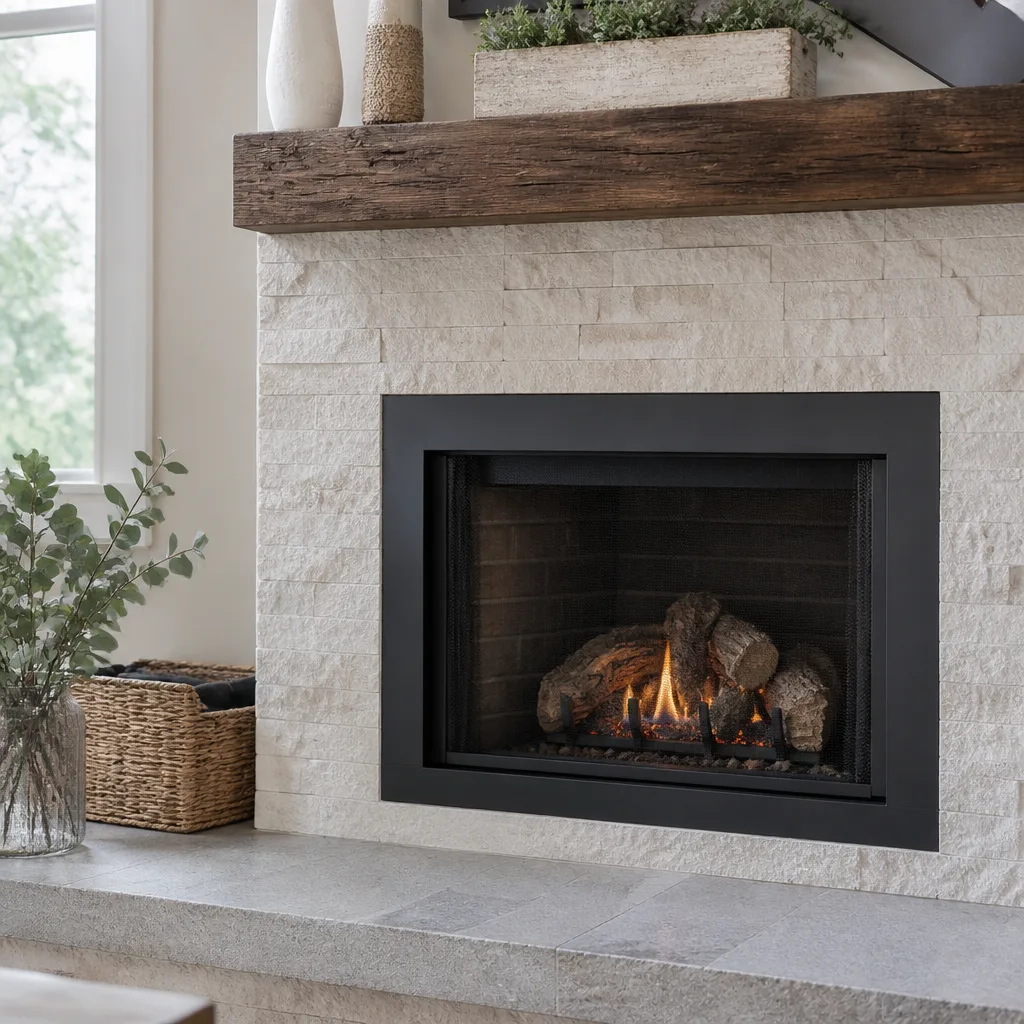 Gas fireplace service
Level 1 sweep and inspection to the NFPA 211 annual standard - flue, crown, cap, and flashing checked and photographed
Chimney sweep logs do not sweep chimneys. They loosen some creosote - which then falls where a brush and vacuum still have to collect it.
How to Hire a Chimney Cleaning Contractor in Port Richmond: A Step-by-Step Guide
Most homeowners hire a chimney sweep the same way they hire a plumber: they search, they pick the first name that shows up, and they hope for the best. That approach works fine for a clogged drain. It works less well for the vent that carries carbon monoxide and creosote out of your house. Here’s the part people miss. A general contractor can buy a brush and a vacuum and advertise chimney cleaning tomorrow; nothing stops them. A CSIA Certified Chimney Sweep has passed a written exam covering combustion science, venting code, and structural assessment, and that distinction matters when your insurance company asks who serviced the flue. This guide walks you through vetting a chimney contractor in Port Richmond step by step, from the first phone call to reading the inspection report.
Quick Answer
Hire a chimney sweep in Port Richmond by verifying three credentials first: CSIA certification for the sweep, NFI certification if you have gas or wood appliances serviced, and current New York State standing as a contractor with liability coverage you can confirm. Then ask for a written, itemized quote that separates the sweep from any inspection findings and repairs. A legitimate contractor puts the inspection report in writing with photos before recommending liner work. If someone pushes a liner replacement before you’ve seen a single photo, walk away and call the next name on your list.
Styles & brands we work with
- Sweep & inspection
- Caps & crowns
- Flue relining
- Masonry repair
- Gas fireplace service
Table of Contents
- Why a Chimney Specialist Beats a Generalist
- The Three Credentials That Actually Matter
- How to Verify Each Credential in Under Five Minutes
- Red Flags Specific to Chimney Work
- What a Legitimate Quote Should Itemize
- The Vacuum and Containment Question
- How to Compare Two Quotes When One Is Much Cheaper
- Reading the Inspection Report Like a Pro
Why a Chimney Specialist Beats a Generalist
A chimney is a system, not a hole in the roof. It has a flue liner, a crown, a cap, a smoke chamber, a damper, and a firebox, and every one of those parts affects whether your fireplace drafts cleanly or pushes exhaust back into the room. A roofer knows roofs. An HVAC tech knows furnaces. Neither spends their working life inside flues, and the diagnostic gap shows up the moment something isn’t a simple brush-and-go.
In our experience, the biggest difference between a specialist and a generalist isn’t the cleaning itself. It’s what happens when the sweep finds something. A specialist looks up the flue with a camera, sees cracked refractory mortar in the smoke chamber, and knows exactly what that means and what it takes to fix it. A generalist sees the same crack and either misses it or recommends replacing the whole chimney because that’s the only solution in their toolkit.
That gap is why we work on chimneys and only chimneys at Port Richmond Chimney Sweep. Our technicians have up to 14 years of experience, and their training is entirely in venting, draft, and combustion. When we sweep a chimney in Port Richmond, the person on your roof can also assess a HeatShield resurfacing job or spec a DuraFlex reline, because that’s the work they do every day. You don’t get handed off to a second contractor halfway through.
Here’s what this looks like in practice for a homeowner comparing bids:
- A specialist quotes the sweep, the inspection level, and any repairs as separate line items. They know the difference between a Level 1, Level 2, and Level 3 inspection and can tell you which one your situation calls for.
- A generalist quotes a lump sum for “chimney cleaning.” The scope is vague, the inspection level is unspecified, and the quote often comes with a verbal “we’ll take a look when we’re up there.”
- A specialist documents findings with photos. A generalist tells you what they saw.
That third point is the one we’d underline if we could underline anything. Photos are the difference between “trust me” and “here’s the crack, here’s the flue, here’s the mortar joint that’s failing.” You can’t verify a verbal claim. You can verify a photo.
The Three Credentials That Actually Matter
You’ll see a lot of logos on chimney company websites. Most of them don’t mean much. Three do, and they cover different parts of the job. Ask specifically about each one and note how the person on the phone answers.
1. CSIA Certified Chimney Sweep
The Chimney Safety Institute of America runs a national certification program. To earn the CSIA Certified Chimney Sweep credential, a sweep has to pass a written exam that covers combustion science, venting code, and structural assessment, and they have to recertify on a schedule. A CSIA-certified sweep has demonstrated they understand why a flue fails, not just how to brush one. This is the baseline credential for anyone cleaning your chimney.
If you burn wood, this is the one credential you should not skip. Creosote buildup, draft problems, and smoke chamber deterioration are all things a certified sweep is trained to spot.
2. NFI Certification
The National Fireplace Institute certifies technicians on gas, wood, and pellet appliances specifically. If your home has a gas fireplace, a gas insert, or a wood stove, ask whether the technician holds an NFI certification for that fuel type. NFI has separate credentials for gas and wood, so the question isn’t “are you NFI certified” but “are you NFI certified for gas” or “for wood,” depending on what you have.
This matters because servicing a gas appliance is a different job from sweeping a wood flue. Gas fireplaces have their own venting, their own safety controls, and their own failure modes. A sweep who only works on wood flues shouldn’t be the one opening up your gas insert.
3. New York State Contractor Standing and Insurance
New York doesn’t issue a single statewide chimney sweep license the way some states do, so verification is a little more involved. Ask the contractor for their business registration and a certificate of insurance showing general liability coverage. Ask for the certificate to be sent directly from the insurance carrier, not forwarded by the contractor, because a forwarded PDF can be edited.
Why does insurance matter so much on a chimney job? Because the work happens on your roof, and if something goes wrong, you want the contractor’s policy handling it, not your homeowner’s policy. A contractor without liability coverage is a contractor whose accident becomes your claim.
How to Verify Each Credential in Under Five Minutes
Here’s the thing about credentials: they’re only worth what you can confirm. Anyone can print “certified” on a business card. Verification takes less time than reading a Yelp review page, and it’s the single most useful thing you can do before booking.
- Check the CSIA directory. The CSIA maintains a searchable list of certified sweeps by name and location. If someone claims CSIA certification, their name should be there. It takes two minutes and it’s free.
- Check the NFI directory. NFI keeps a similar searchable list of certified technicians by fuel type. Search the technician’s name and confirm the fuel type matches your appliance.
- Request the certificate of insurance. Ask the contractor to have their carrier email you the certificate directly. Look for general liability coverage and check that the policy is current, not expired.
- Confirm the business name on the quote matches the name on the insurance certificate. A mismatch (a quote under one name, insurance under another) is a signal the paperwork wasn’t put together carefully, and that same sloppiness tends to show up on the job.
- Ask who will actually be on the roof. Some companies send a certified sweep to sell the job and a helper to do the work. There’s nothing wrong with a helper, but you should know which person is assessing your flue and whether they’re the certified one.
Five steps, five minutes, and you’ll know more about the company than a stack of online reviews can tell you. In Port Richmond, where so many homes have working fireplaces and the heating season runs long, having this sorted before the first cold snap is the difference between booking a sweep in September and waiting behind the whole neighborhood in November.
Red Flags Specific to Chimney Work
Chimney work has its own red flags, separate from the ones you’d watch for on a plumbing or roofing job. The most common pattern is a sweep who arrives, cleans for twenty minutes, comes down off the roof, and tells you that you need a new liner. Sometimes that’s true. Often it isn’t.
- Vague scope quotes. If a quote says “chimney cleaning” and nothing else, ask what it covers. Does it include the firebox, the smoke shelf, the damper, the flue from the top and bottom? Does it include an inspection? A quote that doesn’t specify is a quote that can grow on the day of the job.
- No written inspection report offered. Any credible sweep will hand you a written report documenting what they found, with photos and noted conditions. If they don’t offer one, ask. If they still don’t produce one, that’s your answer.
- Pressure to approve liner replacement on the same visit. Liner problems do happen, and they do need fixing. But liner replacement is a major decision with a real price tag, and no reputable sweep expects you to sign off on it while they’re still standing in your living room. Ask for the photos, take the report, and think it over.
- Talking up a “free inspection” that turns into a sales pitch. Inspections are part of the job, and they’re legitimately free with a sweep. But a “free inspection” that skips the sweep entirely and lands on “you need $6,000 in work” is a sales call, not a service.
- No mention of camera equipment. A visual inspection from the firebox door catches some problems. A camera run down the flue catches the rest. Ask whether the inspection includes a camera, and listen for a straight answer.
- Quotes delivered without ever getting on the roof. If the “estimate” for a liner job is based on a look up the chimney from the living room, it’s not an estimate. It’s a guess with a price attached.
- Willingness to work on anything else while they’re there. A sweep who offers to patch your roof, clean your gutters, or power-wash the siding while they have the ladder up is a generalist with a brush, not a chimney specialist. Port Richmond has enough tradespeople who do good work in their own lane. Chimney work deserves the same focus.
None of these red flags are about price. A cheap quote from a specialist is a fine quote. An expensive quote from a generalist is still a generalist. The flags are about how the company operates, and those patterns don’t change based on what you pay.
What a Legitimate Quote Should Itemize
A real chimney quote is a short document with clear buckets. If you get one number and a handshake, ask for a breakdown. Any contractor who can’t or won’t itemize is telling you something about how they think about scope.
Here’s what a legitimate quote should separate out:
- Sweep scope. Which components are being cleaned (firebox, flue, smoke chamber, damper) and how the sweep will be performed (top-down, bottom-up, or both).
- Inspection level. Level 1, Level 2, or Level 3, with a note about what’s included. A Level 1 inspection is the standard with an annual sweep. A Level 2 is what you need during a real estate transaction or after a chimney fire. A Level 3 happens when the inspector has to open up the chimney structure to see a problem.
- Photos. Confirm photos are included in the report, not sold as an extra.
- Findings documented separately from repairs. This is the big one. The inspection findings should be a list of what the sweep observed, in neutral language (“hairline crack in the second flue section”), followed by recommendations. The findings and the repair quote should be two separate documents. If they’re fused together into a single pitch, push back.
- Repair scope and price, if any. If repairs are recommended, ask for the specific product and method. For liner resurfacing, for example, HeatShield is a ceramic treatment engineered to restore and seal a deteriorating flue liner. For full relining, products like DuraFlex and Olympia Chimney are common industry-standard options. A quote should name the product and the method.
- What’s excluded. A quote should say what it doesn’t cover. Cap and crown work? Structural masonry? A second flue? Anything excluded on the front of the quote can’t surprise you on the back.
If you’re comparing three quotes, the itemized version lets you line them up against each other. If one quote is itemized and two are lump sums, you can already guess which company has thought through the scope.
The Vacuum and Containment Question
Ask what kind of vacuum the crew uses. This feels like a small question. It isn’t, and the answer tells you a lot about how the company thinks about your home.
A shop vacuum from the hardware store pulls soot up into a plastic canister and then pushes a percentage of it back into the air. A HEPA-rated unit captures fine particles that a regular filter lets through. Soot is fine. It drifts. It settles into carpet, cloth furniture, and the back of your throat, and once it’s in the air of a lived-in room it’s hard to get out. On a chimney sweep, the vacuum is the difference between a clean job and an afternoon of sneezing.
Containment matters just as much. A crew that seals the firebox opening with a proper containment barrier before they start brushing keeps dust inside the fireplace and out of the room. A crew that doesn’t seal off the opening works harder and leaves more soot behind. When you call to book a sweep in Port Richmond, ask these questions directly:
- Do you use a HEPA-rated vacuum on the job?
- How do you contain the firebox opening while you’re brushing?
- Do you lay drop cloths over the floor and nearby furniture?
- What happens if soot escapes during the sweep?
The answers tell you whether the crew has done this a hundred times or five. A confident “yes, HEPA, sealed containment, drop cloths” is what you want. A pause followed by “we’ll be careful” is the answer you want to move past. Our technicians have up to 14 years of experience, and this is the kind of detail that experience is built on. Clean containment isn’t a luxury. It’s the basic respect you show a house you’re working in.
How to Compare Two Quotes When One Is Much Cheaper
Two quotes come back for a sweep on the same chimney. One is $180. The other is $380. What’s the gap telling you?
Sometimes nothing. Pricing varies by company overhead, and the cheaper sweep could simply be a smaller operation with a lower cost structure. But there are specific reasons a chimney quote runs substantially lower, and it’s worth understanding what they are before you assume you’re saving $200.
- No camera inspection included. A visual-only sweep with no flue camera run is cheaper to deliver. It also misses cracks, gaps, and joint failures that live above the damper. The sweep cost is lower; the service is smaller.
- No written report or photos. If the cheap quote doesn’t include a written report, you’re paying for less documentation, not more efficiency. When you go to sell the house, or when your insurer asks for service records, the paucity of paperwork matters.
- Scope limited to the flue from the bottom. A top-down sweep takes more time and more access. A bottom-only sweep is quicker, and whether it’s adequate depends on the flue configuration. Ask what direction the sweep runs and whether the firebox and smoke chamber are included.
- No containment and a shop vacuum. A crew that saves on equipment costs less. The savings show up later as soot in the room.
- Uninsured or subcontracted labor. If the crew on your roof isn’t the company’s own insured technicians, the price drops. So does your recourse if something goes wrong.
- The low quote is a loss leader for the upsell. Sometimes a low sweep price is designed to get them in the door, and the liner-replacement recommendation comes at the end of the visit. The sweep was the bait.
Here’s the practical test. Ask both companies the same five questions: Is the camera inspection included, do you provide photos and a written report, what’s the vacuum, what direction is the sweep, and are your technicians insured. If the cheaper quote answers all five the same as the more expensive one, take the cheaper quote with confidence. If it doesn’t, you’re not comparing two versions of the same job. You’re comparing a full sweep with a partial one.
For a chimney system that handles your fire every winter in Port Richmond, the difference between a $180 thorough job and a $380 thorough job is a couple hundred dollars. The difference between a thorough job and an inadequate one can show up years later.
Reading the Inspection Report Like a Pro
The inspection report is the deliverable. It’s what you keep, what you show your insurer, and what a future buyer’s inspector will look at. Here’s how to read it without a chimney background.
A good report tells you three things in order: what the inspector observed, what condition each component is in, and what (if anything) needs to be done about it. Those are three separate sections, and they should stay in that order. A report that jumps from “here’s what we saw” straight to “here’s what you must buy today” skips the assessment step.
Watch for these categories in the findings:
- Creosote buildup level. Creosote is the tar-like residue from burning wood. It’s rated on a scale (often stated as degrees or stages). Stage 1 is light and brushes off. Stage 2 is flaky and thicker. Stage 3 is glossy, hard, and requires more than a brush. Most sweeps will tell you which stage they found.
- Liner condition. Look for language about cracks, gaps at the joints, spalling, or broken sections. If the liner is compromised, the recommendation is a reline or resurfacing, and the report should name the material.
- Smoke chamber and damper. These catch what the flue misses, and the smoke chamber is a common place for creosote to accumulate where a brush doesn’t reach cleanly.
- Crown and cap condition. The crown (the top surface around the flue) keeps water out. A cracked crown lets water into the chimney structure, and water is the biggest long-term enemy of a masonry chimney. The cap keeps water, birds, and debris out of the flue itself. If either is failing, ask about chimney cap and crown work; that’s routine repair and not necessarily urgent, but worth planning.
- Firebox and damper condition. Cracks in the firebox masonry, a damper that doesn’t close cleanly, and a firebox that’s pulling away from the surround all get noted here. Fireplace repair is often a smaller job than a full liner, and it should be priced separately.
The most important question to ask after reading a report is simple: can this wait? A reputable sweep will tell you when a repair is urgent and when it’s something to plan for in a year. If a report tells you liner replacement is urgent and the photos don’t make that clear, ask for more photos. If the answer is “we can’t get you more photos,” the report isn’t finished.
If you’re not sure whether to call for a sweep, an inspection, or a repair, start with a standard chimney sweep and let the inspection findings drive the rest. That’s the normal sequence. Repair scope follows inspection, not the other way around.
Common Mistakes to Avoid
- Booking based on a “free inspection” that skips the sweep. A real inspection happens as part of the sweep or stands alone as a paid service. An “inspection” that turns into a same-day sales presentation is a different business. Book the sweep, get the report, then decide on repairs.
- Hiring whoever answers the phone first during burning season. In Port Richmond, everyone wants a sweep in October. The company that can come tomorrow in mid-September isn’t necessarily better than the one booked two weeks out. Ask about availability early and book before the season, not after.
- Approving liner work without seeing photos. You wouldn’t authorize a roofer to replace your whole roof based on a verbal description. The same standard applies to a chimney liner. Photos of the flue, top to bottom, before any repair approval.
- Assuming gas fireplaces don’t need servicing. They do. Gas burns cleaner than wood, but gas appliances still need inspection for venting, debris, and safety controls, and NFI-certified work is the standard. A gas fireplace that hasn’t been looked at in five years is overdue.
- Replacing a chimney cap with the cheapest model available. A cap is a small part doing significant work: keeping water, animals, and debris out of the flue. Cheap caps rust out, fit poorly, and end up doing neither job. A specialist stocks and installs caps chosen for durability and fit, and will price the difference honestly when you ask.
- Skipping the camera inspection to save money on the sweep. The camera is what catches problems above the damper. A visual-only sweep is a visual-only report. If you’re paying for a professional service, get the part that actually tells you something.
- Believing liner replacement is always the answer. Relining is the right call when the liner is cracked or failing structurally. A deteriorating but structurally intact flue liner can often be restored with HeatShield ceramic resurfacing instead of a full reline. A generalist won’t offer resurfacing because it’s a specialized system. A specialist will discuss both options.
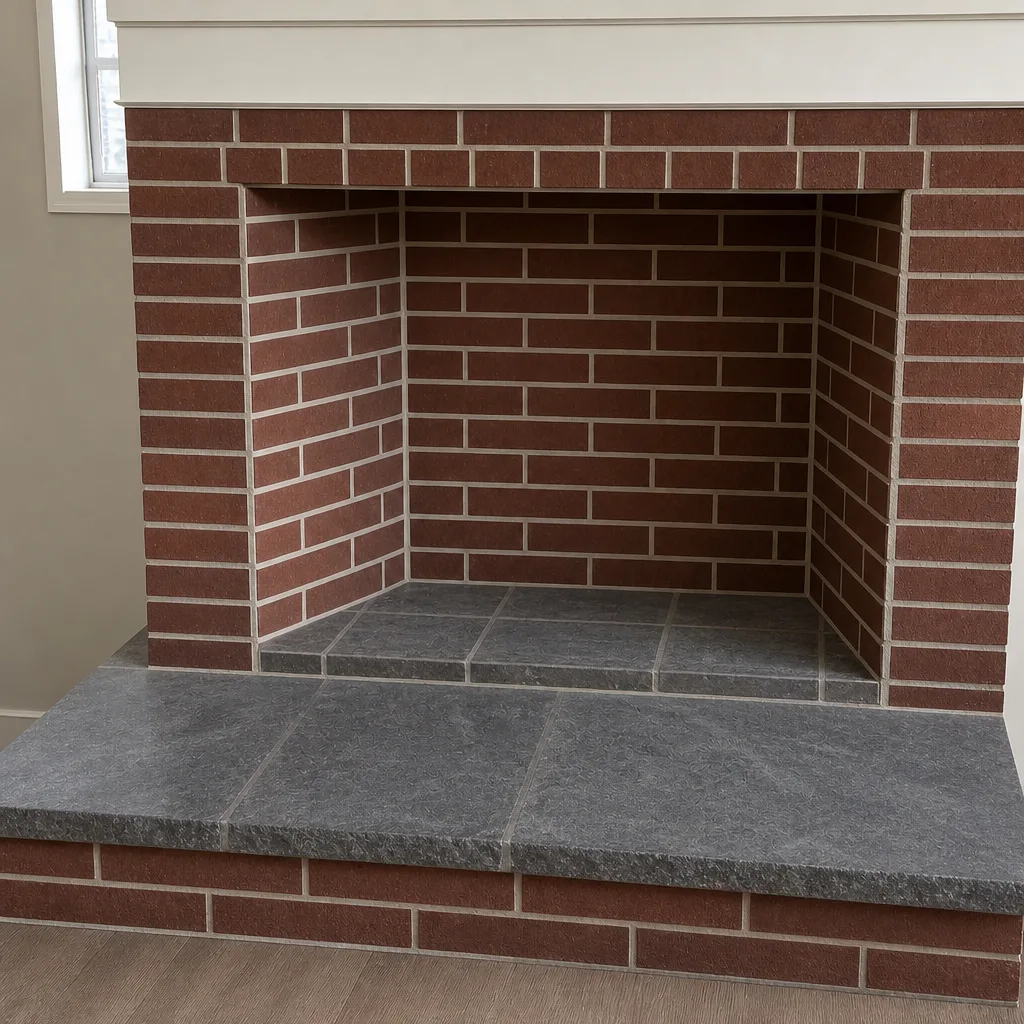
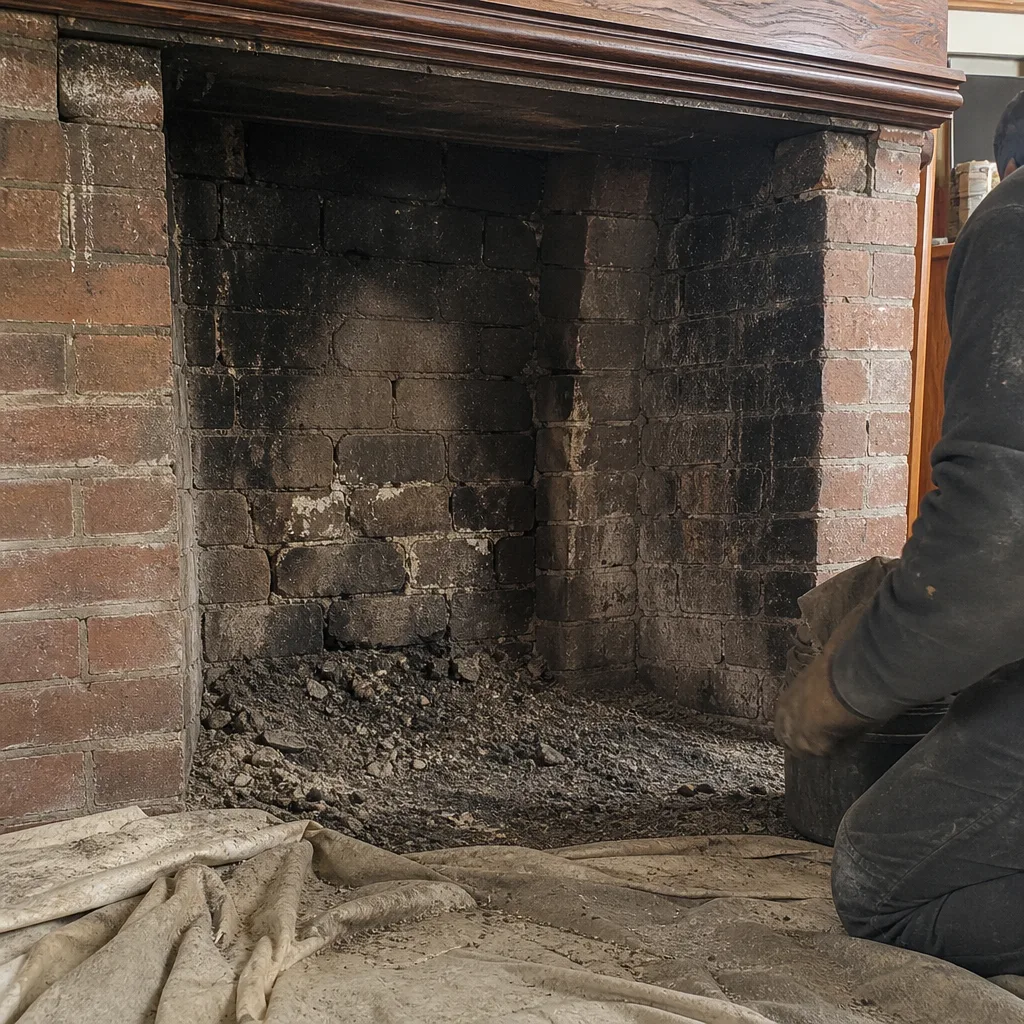
See the difference
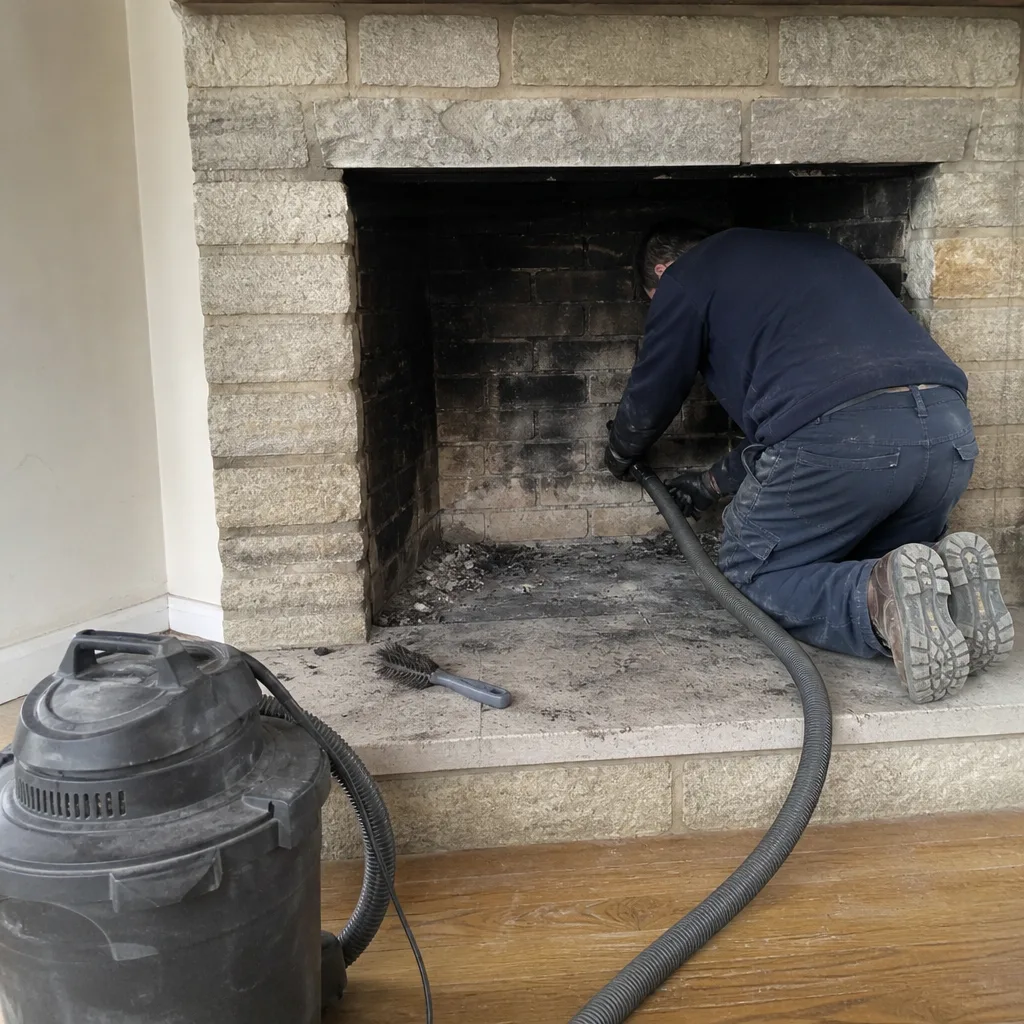 Before
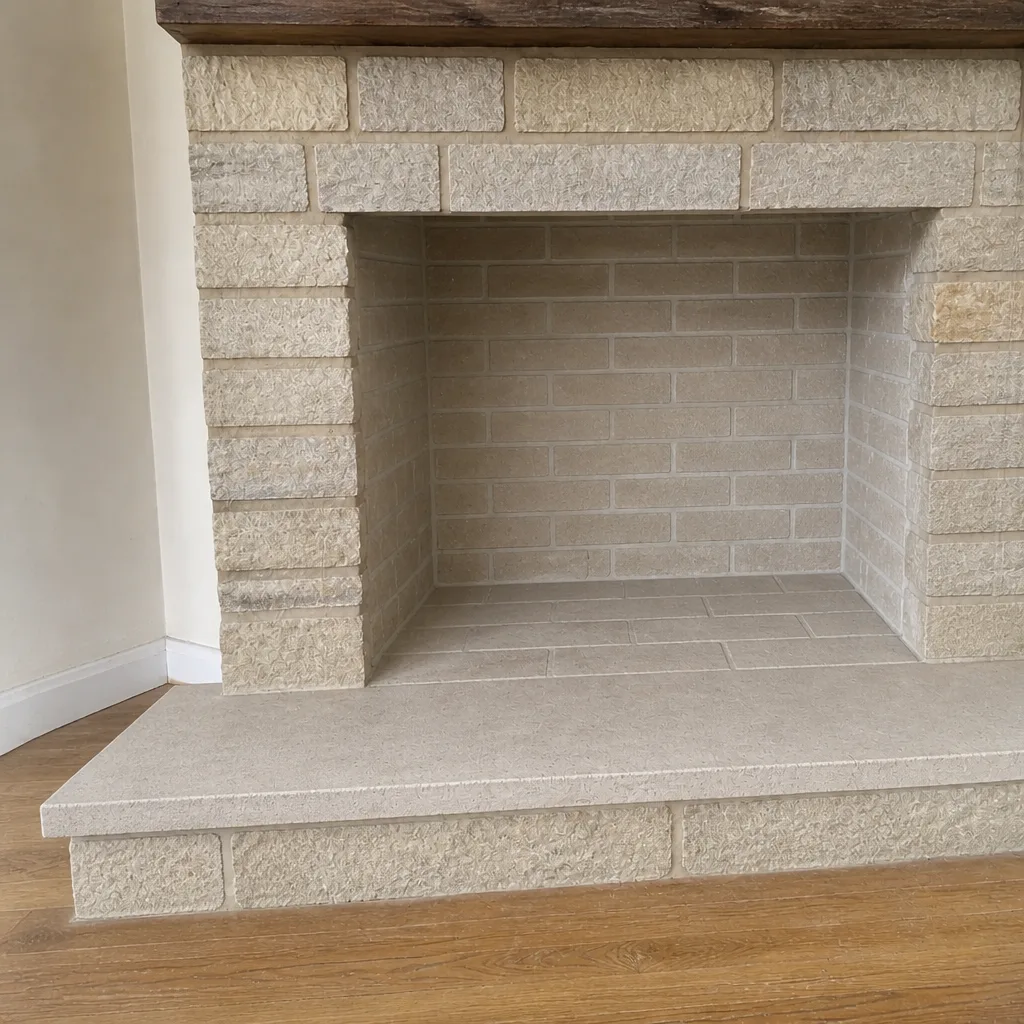 After
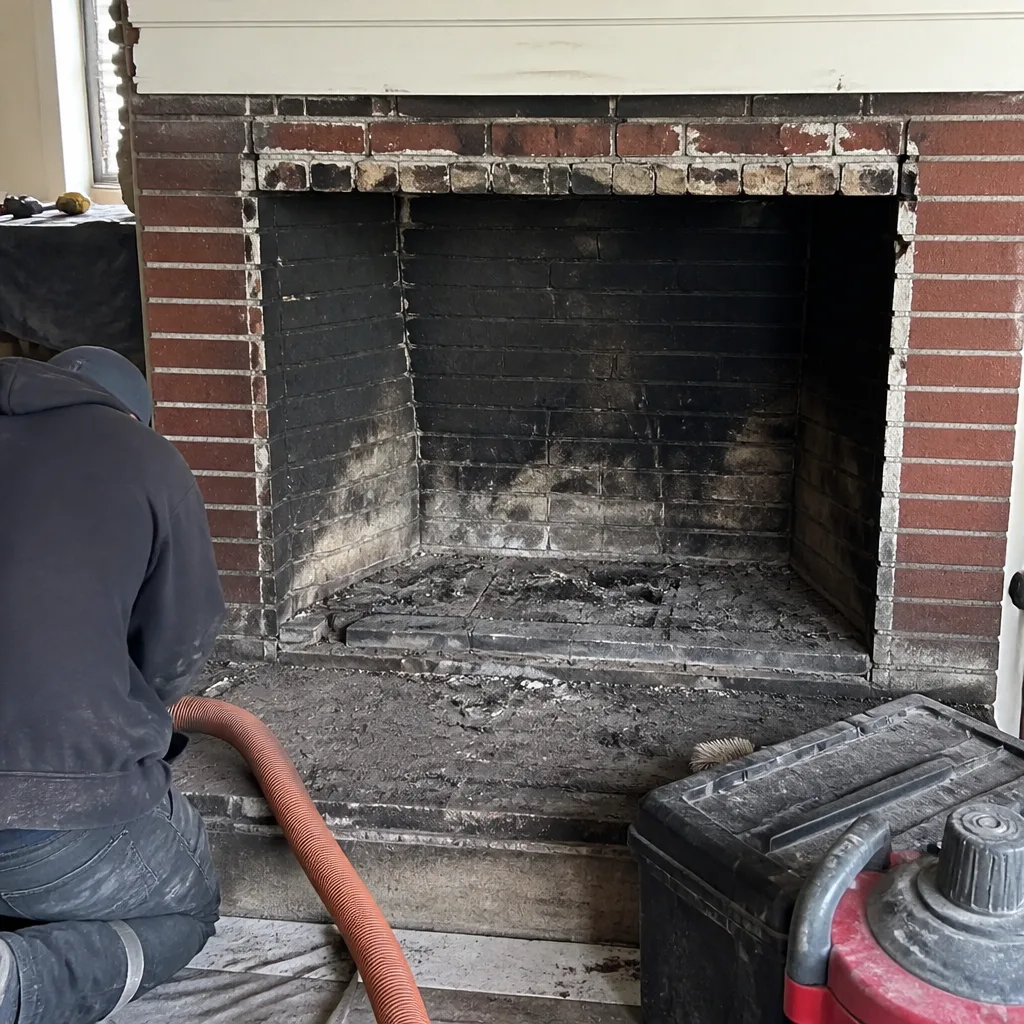 Before
 After
 Before
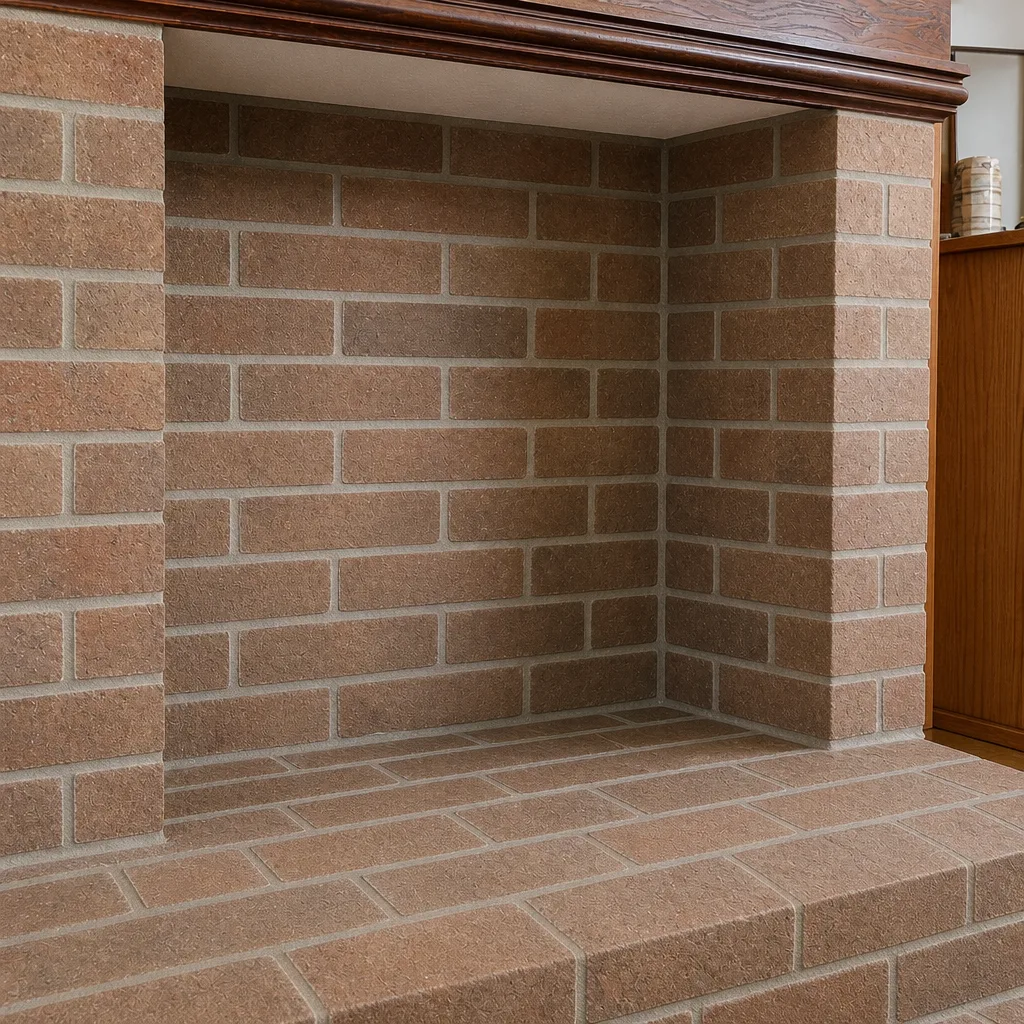 After
When to Call a Professional
Some homeowner questions are answerable over the phone. A few aren’t, and you should call a professional sweep when:
- You’ve just bought the home and the seller didn’t hand you chimney service records
- You’ve burned a season’s worth of wood and haven’t had the flue cleaned
- You’re seeing smoke roll out of the fireplace or downdraft when the fire is lit
- You smell a strong smoky or creosote odor even when the fireplace hasn’t been used lately
- You had a chimney fire, even a small one, or noticed a loud roaring sound from the flue
- You’re switching from wood to a gas insert, or from gas to wood
- Your cap or crown is cracked, missing, or visibly damaged
- Your carbon monoxide detector has gone off in the same room as the fireplace
Port Richmond Chimney Sweep offers free estimates in Port Richmond. Call (855) 789-9672 to book a sweep, an inspection, or to talk through a repair. We answer 24/7. Fast dispatch from 7am to 7pm, Sunday through Friday. If the flue or fireplace is failing and you want work done before the next cold snap, that’s the number to call.
Frequently Asked Questions
Most chimney sweeps in Port Richmond run in the range of $180 to $340 for a standard sweep with a Level 1 inspection, and the written estimate sets the final price for your specific job. The cost depends on whether camera inspection is included, the number of flues, and the condition of the firebox. Call (855) 789-9672 for a free estimate, and ask whether the quote includes photos and a written report.
Only if the liner is cracked, structurally failing, or losing its ability to contain the flue gases, and you should make that decision from photos, not from a verbal recommendation. A deteriorating but intact clay liner can sometimes be restored with HeatShield ceramic resurfacing instead of being fully relined. Ask what the specific condition is, ask for the photos, and if the recommendation is a full reline, ask why resurfacing isn’t an option. Call (855) 789-9672 and we’ll walk through it with you before you commit.
A wood-burning chimney should be swept once a year if you use it regularly, and inspected every year even if you don’t. The official rule of thumb from chimney safety organizations is that a flue should be cleaned when creosote has built up to about 1/8 of an inch. A gas fireplace needs an annual inspection as well, even though it produces far less residue. Call (855) 789-9672 to get on a cleaning schedule before the heating season starts.
Creosote builds up on the flue interior and becomes fuel for a chimney fire, and a blocked or damaged flue can let carbon monoxide back into the house instead of out through the top. A chimney fire can damage the flue structure in ways you won’t see from the firebox, and carbon monoxide is undetectable without an alarm. Neither risk is theoretical, but both are addressable. Call (855) 789-9672 to book a sweep and let the inspection tell you what’s actually happening in the flue.
Yes, we do, and that’s not a red flag. A proper sweep involves access from the top of the flue and from the firebox, and the firebox is inside the house. The crew lays drop cloths, seals the firebox opening with containment, and uses a HEPA-rated vacuum to keep soot out of the room. A sweep who works entirely from the roof without entering the house is doing a partial job. Call (855) 789-9672 to book a sweep in Port Richmond.
You can buy a brush and rod, but a homeowner sweep isn’t the same thing as a professional sweep and inspection. The brush part is straightforward; the inspection part is where the value lies, and a trained sweep knows what a cracked liner, a failing smoke chamber, and stage-3 creosote look like. If you’d like to know what condition your flue is actually in, call (855) 789-9672 for a sweep with a written report and photos.
The Bottom Line
Hiring a chimney contractor in Port Richmond comes down to a short, concrete checklist. Confirm CSIA certification, NFI certification if you have gas or wood appliances, and current insurance. Ask for an itemized quote that separates the sweep, the inspection, and any repairs. Ask about the vacuum and containment setup. Expect a written report with photos before any repair is approved, and treat “you need a liner today” without photos as a signal to slow down. A chimney specialist, not a generalist, is what you want on your roof. Call (855) 789-9672 for a free estimate and we’ll do just that. We answer 24/7 with fast dispatch from 7am to 7pm, Sunday through Friday. For a full picture of what we do, start at Port Richmond Chimney Sweep, and when you’re ready to plan a repair, look at fireplace repair and chimney cap & crown so you know what each job involves before you book.
Written by the team at Port Richmond Chimney Sweep.