
Last updated November 23, 2026
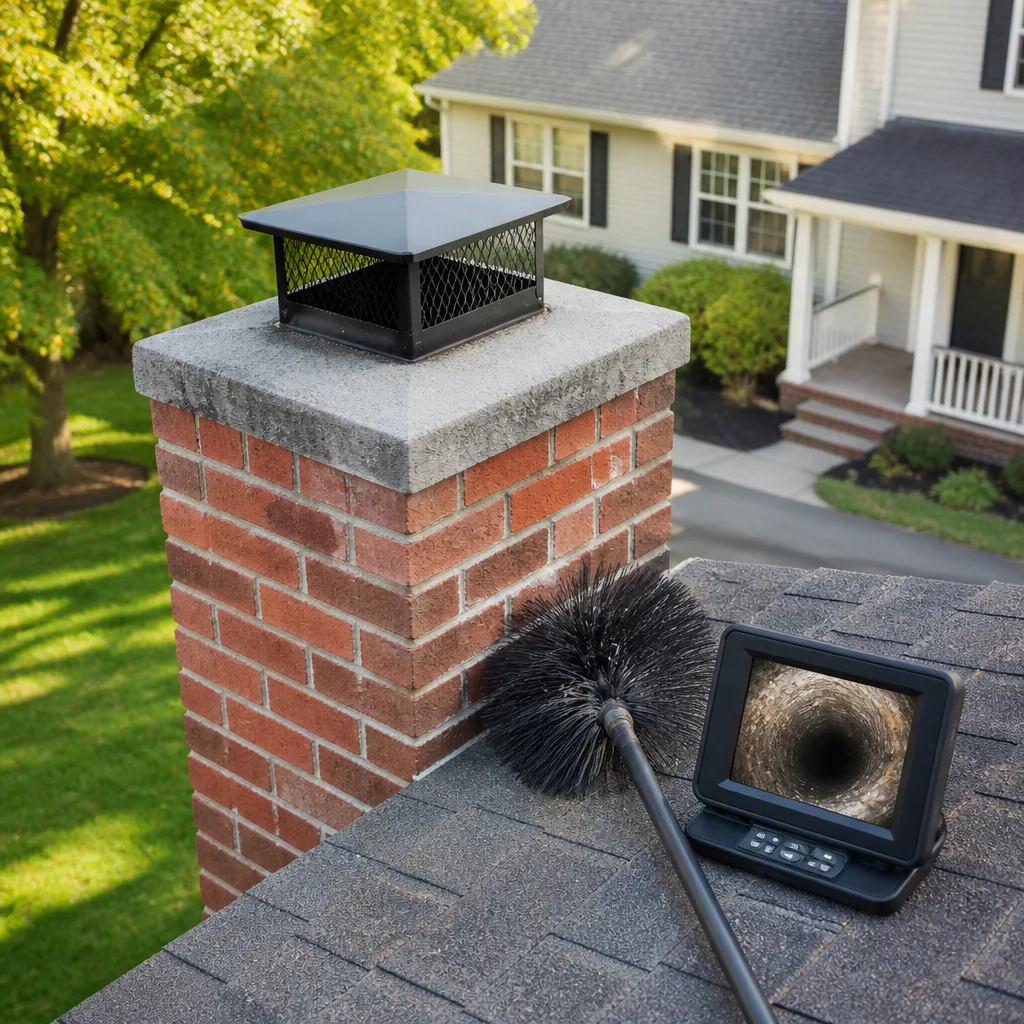 Sweep & inspection
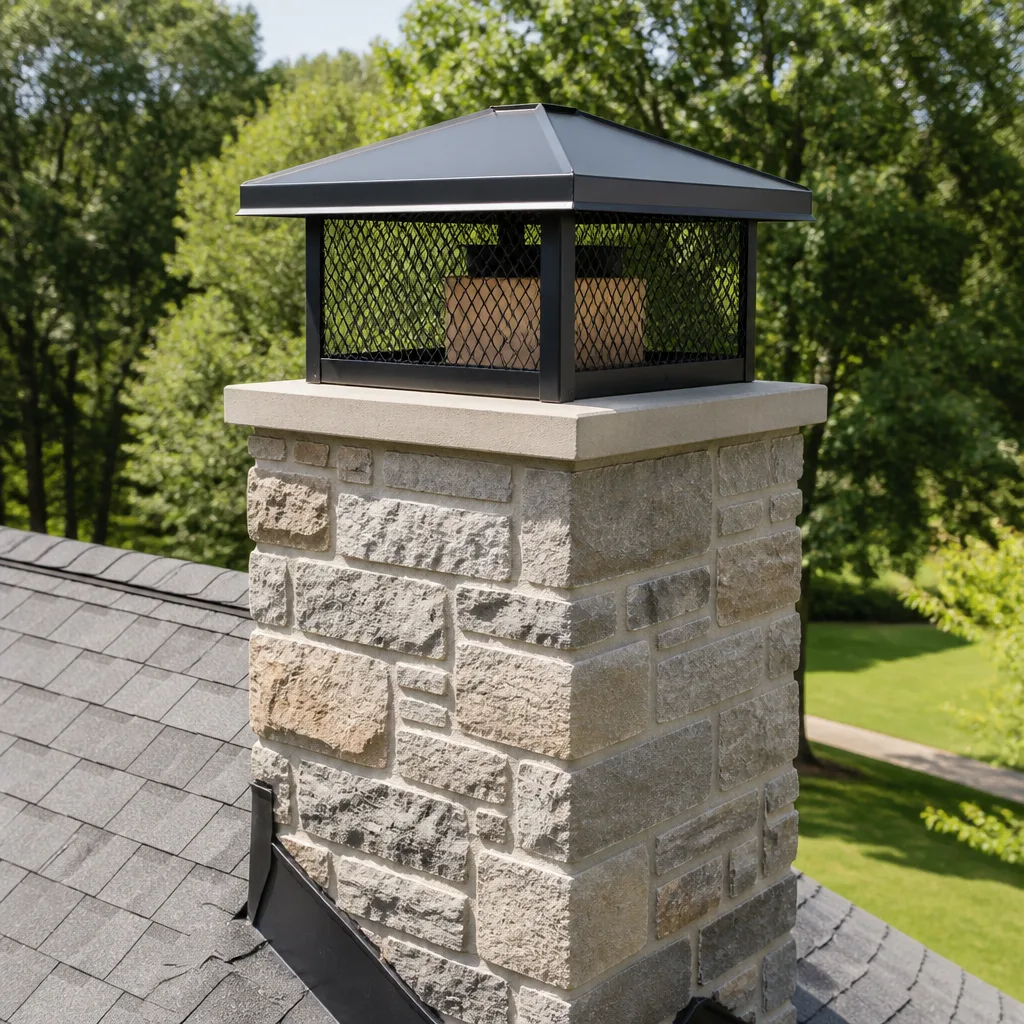 Caps & crowns
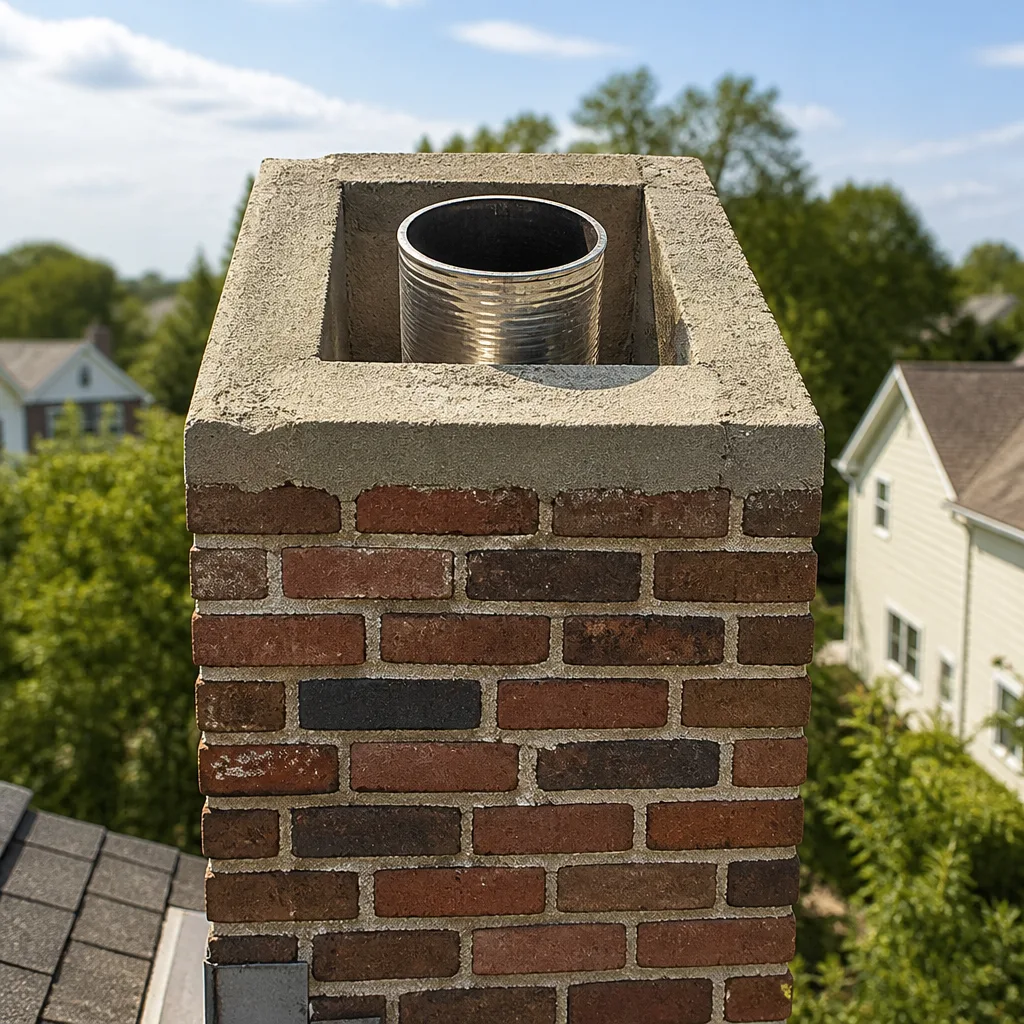 Flue relining
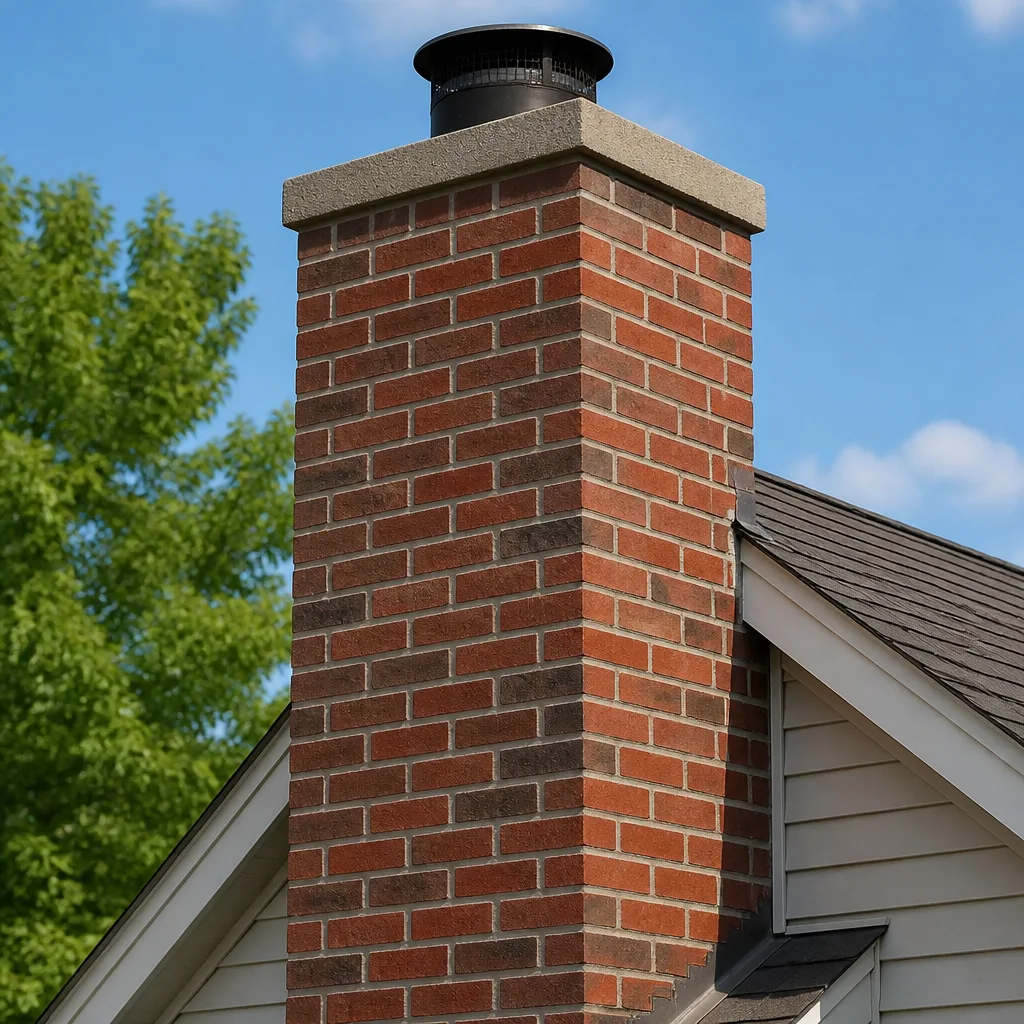 Masonry repair
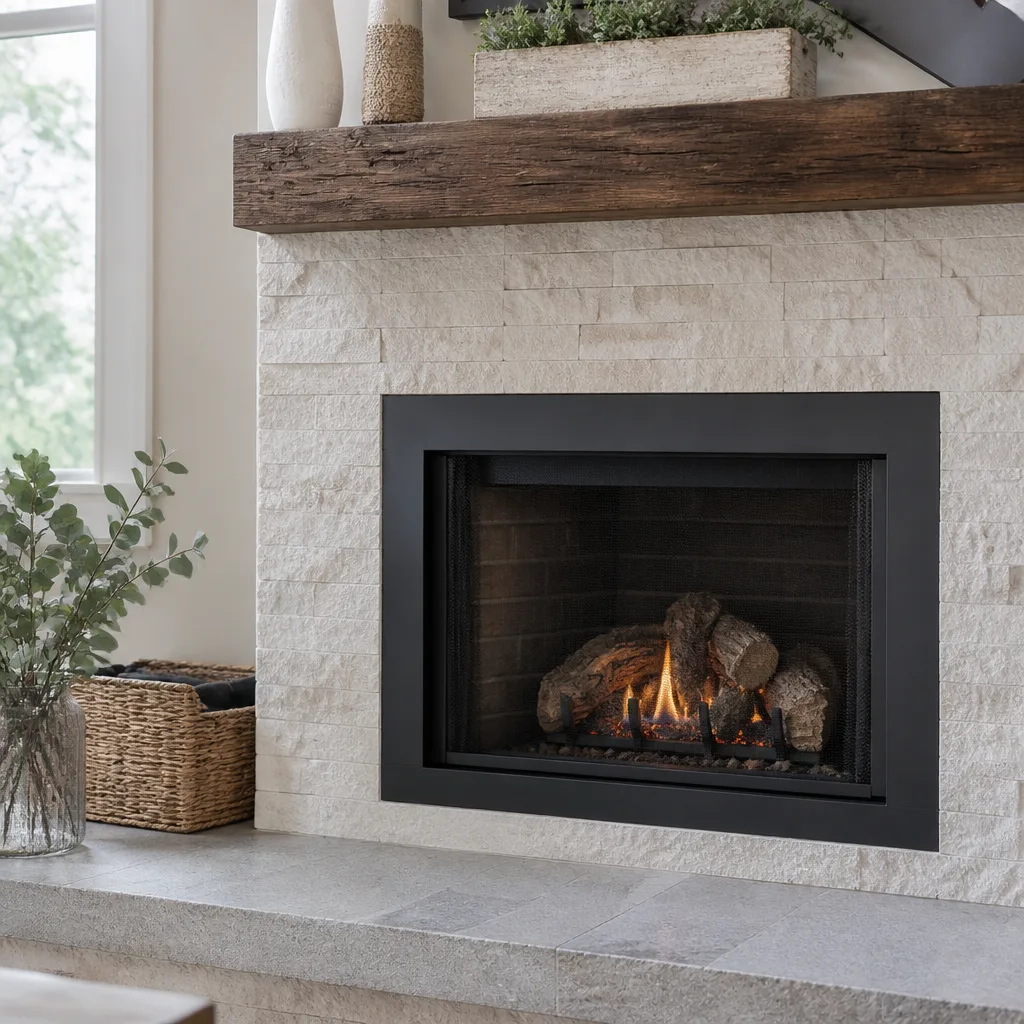 Gas fireplace service
Level 1 sweep and inspection to the NFPA 211 annual standard - flue, crown, cap, and flashing checked and photographed
Chimney sweep logs do not sweep chimneys. They loosen some creosote - which then falls where a brush and vacuum still have to collect it.
The Complete Guide to Chimney Cleaning in Port Richmond
Port Richmond’s rowhouses were built primarily between 1900 and 1950, which means most flues in the neighborhood were originally sized and shaped for coal. Coal burns hot and fast. Wood burns slower and cooler. Gas produces almost no visible deposit at all. That mismatch between what a flue was designed for and what it handles today is the single biggest reason chimney cleaning advice you find online rarely fits a Port Richmond home exactly. This guide maps the actual cleaning process to the chimney types in this neighborhood: masonry rowhouse flues, oil-converted fireplaces, and vintage coal inserts. You’ll learn how creosote forms differently in each, what a real sweep looks like from drop cloth to written report, when to book, and what a fair estimate should cover.
Quick Answer
A proper chimney cleaning in Port Richmond includes a documented inspection, a correctly sized rotary sweep, and a written report on what we found, what needs attention now, and what can safely wait. Most wood-burning chimneys should be swept once a year or after roughly a cord of wood. The right time to book is late summer, before the October rush. Call (855) 789-9672 for a free estimate on your Port Richmond chimney.
Styles & brands we work with
- Sweep & inspection
- Caps & crowns
- Flue relining
- Masonry repair
- Gas fireplace service
Table of Contents
- Why Port Richmond Chimneys Accumulate Differently
- Understanding the Three Inspection Levels
- What a Real Sweep Actually Looks Like
- Shared Rowhouse Chimneys and Why Documentation Matters
- How Much Does Chimney Cleaning Cost in Port Richmond?
- When to Book Before the Fall Backlog
- Creosote, Carbon Monoxide, and What’s Really at Stake
- Common Mistakes to Avoid
Why Port Richmond Chimneys Accumulate Differently
Most of Port Richmond’s housing stock predates the shift to modern flue standards. That matters more than most homeowners realize. When a coal-burning flue gets converted to wood or gas, the internal geometry stays the same while the combustion chemistry changes entirely. The result is predictable once you understand it: creosote deposits form faster, sit differently, and require a different cleaning approach than a flue designed for wood from the start.
Here’s what actually changes when a coal-era flue handles wood:
- Flue sizing: Coal flues often run larger or oddly shaped relative to their grate. Wood fires burn cooler in an oversized flue, which drops stack temperature and allows unburned gases to condense on the liner walls. That condensation is creosote.
- Flue shape: Old masonry flues were sometimes square or roughly rectangular because that’s what the brickwork allowed. Square flues are harder to sweep cleanly with a round brush, so brush selection matters more here than in a modern round liner.
- Mortar joints: Coal produced acidic condensates of its own, but wood with higher moisture content can degrade lime mortar joints more aggressively. A flue that’s been undisturbed for decades can have crumbling joints that a sweep will expose.
- Vintage coal inserts: Many Porch Richmond fireplaces still have the original insert converted to wood or decorative gas logs. These have minimal clearances and unusual flue paths, and they require the sweep to actually understand what’s in front of them.
This is why generic “clean your chimney once a year” advice falls short. A masonry rowhouse flue in Port Richmond with a converted wood fire needs more attention to flue geometry and mortar condition than a modern home with a factory-built metal liner. A chimney specialist, not a generalist, reads those differences and adjusts the sweep accordingly.
Understanding the Three Inspection Levels
Chimney inspections aren’t one thing. The industry standard recognizes three levels, and knowing which applies to your situation prevents paying for a Level 3 when a Level 2 would answer the question, or accepting a Level 1 when a home sale demands more documentation. When we perform a home sale inspection, we always enter with clarity on which level is appropriate, and we document accordingly.
Level 1: The Annual Visual Check
A Level 1 inspection covers readily accessible portions of the chimney and fireplace with the tools normally on hand. This is the annual baseline for a chimney that’s already been in service and hasn’t changed use or had a known problem. It’s fast, it’s non-invasive, and it tells you the obvious things: is there visible creosote buildup, is the damper operating, is the firebox intact. It’s the inspection that pairs with your annual sweep.
Level 2: When Something Changes
A Level 2 inspection is required when a chimney changes fuel type, undergoes a significant repair, is subject to a real estate transaction, or after an event like a chimney fire. It goes further: the technician may run a camera through the flue, examine accessible attic and crawl spaces, and check connections and clearances. For a Port Richmond home purchase, this is almost always the level a buyer’s inspector will ask about, because it’s the one that gives a real picture of the liner.
Level 3: Opening It Up
A Level 3 inspection is diagnostic. When a Level 1 or Level 2 inspection finds a hidden problem that can’t be resolved without opening access, a Level 3 investigation becomes necessary. This can mean removing drywall or opening masonry to inspect the interior of the flue. It’s not routine. It’s the step that happens when a real problem is suspected but not yet confirmed.
- Annual maintenance: Level 1.
- New home purchase, fuel conversion, or post-fire assessment: Level 2.
- Hidden defect hypothesis that requires opening access: Level 3.
If you’re buying in Port Richmond or have just converted from coal-era to wood or decorative gas, ask for a Level 2 inspection. It’s the right baseline for understanding what you’re actually living with. A sweep alone doesn’t answer those questions.
What a Real Sweep Actually Looks Like
A chimney sweep from a generalist handyman tends to look like a quick brush down and a bill. A sweep from a chimney-only company looks like a documented process. Here’s what actually happens when we do a sweep, from the moment we arrive to the written report you leave with.
Before the brush goes in
- Drop cloths and floor protection. The work area gets covered, and we seal the fireplace opening with plastic sheeting to keep soot out of your living space.
- A pre-sweep inspection. We run a light through the flue and check the firebox, damper, smoke chamber, and cap before we sweep anything. The reason is simple: if there’s a problem that could get worse with sweeping (a crumbling joint, a cracked liner tile), we need to know before the brush is moving.
- Brush sizing to the flue. A rotary brush that’s too small leaves deposit behind. Too large and it can damage soft mortar joints. For Port Richmond’s square and rectangular flues, this step requires matching the brush to the actual shape, not just the round liner assumption in most sweep kits.
During the sweep
We use high-efficiency vacuum equipment with sealed connections at the fireplace opening to keep dust to a minimum while we work. Rotary rods are fed up the flue with the brush attached, and the brush executes a full pass from the top of the firebox to the termination at the top. Then it’s done again with a different brush if the flue transitions between shapes. The whole sweep is not a “quick pass.” It’s a deliberate mechanical clean to bare brick or liner surface.
After the sweep
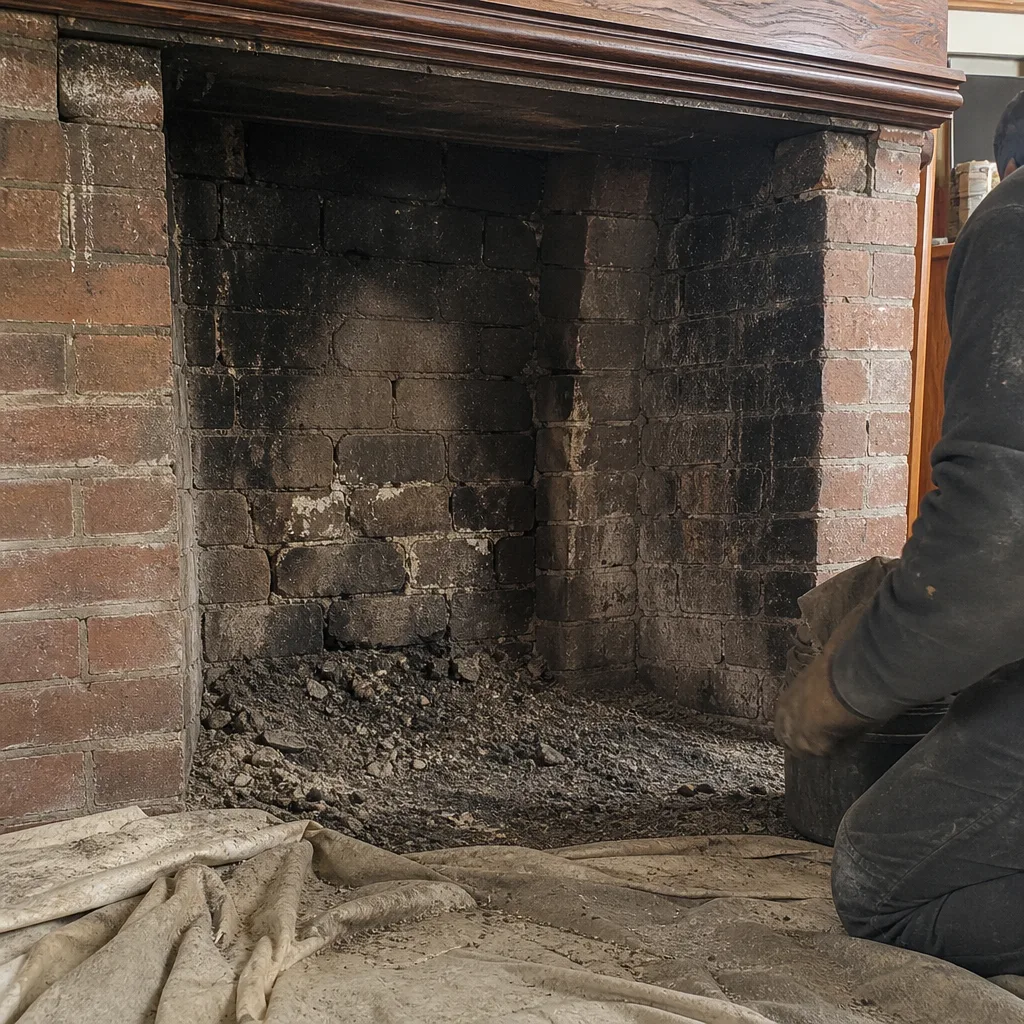
The firebox and smoke chamber get vacuumed clean. Then comes the part that separates a real sweep from a brush-and-go job: a written report. The report documents what we swept, what we found, whether the liner showed any issues, what condition the cap and crown were in, and what we recommend. If the chimney cap is missing or damaged, we’ll say so and explain the fit and function options from Gelco and Famco, both of which we stock and install. If the liner showed integrity concerns, we’ll explain what we saw on camera, not just hand you a figure.
If you’ve never had a documented sweep, the first one is the most valuable. It establishes a baseline you can compare against year after year. That’s how you know whether your flue is stable or gradually deteriorating.
Shared Rowhouse Chimneys and Why Documentation Matters
In Port Richmond, many rowhouses share a chimney structure with a neighbor. Whether it’s a shared stack with separate flues serving each unit, or a shared masonry mass that wasn’t well-documented when it was built, the cleaning implications are real. Before a sweep begins on a shared chimney, an important step is often missed: documenting the flue assignments.
Here’s why it matters:
- Flue misassignment: In old double-occupancy rowhouses, the flues can cross between units. A fireplace on your side may vent into the same stack as your neighbor’s, or worse, the flue path may swap. Sweeping without confirming this can lead to confusion about which flue serves which fireplace, and could create a situation where smoke from one unit enters a space connected to another.
- Shared masonry condition: If the shared brickwork is degrading on the neighbor’s side, a sweep on your side may not reveal it. Documenting the shared structure gives both units a clear picture and helps prevent disputes about who’s responsible for what’s failing.
- Cap and crown: A shared rowhouse chimney often has one cap covering several flues. If a single flue lacks a cap while the adjacent one has a modern Gelco or Famco cover, downdraft and moisture intrusion can affect the whole structure. The photo and written report should show what’s on each flue.
Before a sweep begins, we document what we see: which flue connection each fireplace serves, the condition of the shared brickwork, and the cap arrangement. If you own a rowhouse in Port Richmond with a shared chimney and you don’t know which flue is yours, that’s the first conversation to have.
How Much Does Chimney Cleaning Cost in Port Richmond?
A standard chimney cleaning in Port Richmond typically runs $150 to $300, depending on access, flue condition, and how many flue connections are being serviced. Add inspections, repairs, or liner work and the total moves up. Here’s how the line items break down:
| Service | Typical range |
|---|---|
| Standard chimney sweep (one flue) | $150 – $300 |
| Level 1 inspection (with sweep) | Usually included |
| Level 2 inspection (camera, home sale) | $250 – $500 |
| Chimney cap install (Gelco or Famco) | $200 – $450 |
| Crown repair or rebuild | $400 – $1,200+ |
| HeatShield liner resurfacing | Quoted per job |
| Full relining (DuraFlex, Olympia Chimney) | Quoted per job |
Those ranges are typical estimates for the Port Richmond market, and the written estimate you receive sets the final price. HeatShield and full relining get quoted per job because they depend on liner diameter, length, and condition. What we don’t do is quote a liner replacement before showing you camera evidence. You’re welcome to review the footage and ask questions before any decision is made, and if work can safely wait, we’ll say so plainly.
If you’re comparing quotes and one comes in dramatically lower than the others, ask what’s included. A sweep that doesn’t include a written report, documented inspection, or proper brush sizing to your specific flue geometry isn’t the same service, even if the invoice says “chimney cleaning.”
When to Book Before the Fall Backlog
The annual chimney cleaning rush in Port Richmond starts in October. Demand spikes when homeowners first light fires in the cooler weather, and that compresses the calendar fast. Inspection backlogs build through November, and if a problem is found, scheduling the repair adds another window on top. The practical fix is simple: book earlier.
Here’s the seasonal rhythm we see:
- Late summer (August – September): The best window. Demand is lower, inspection scheduling is easier, and if you need a repair, there’s runway before the heating season begins.
- October: The rush begins. Appointments fill and inspection lead times grow.
- November – December: Repair backlogs are common. Routine cleanings are harder to fit in around urgent calls.
- Post-season: Worth a second look at your chimney cap and crown after winter freeze-thaw.
One detail specific to Port Richmond’s older masonry: freeze-thaw cycling on brick and mortar can worsen small cracks over the winter. A sweep in the fall catches them before they become bigger by spring. If your chimney hasn’t been inspected since the last heating season, late summer is the ideal time to change that.
Creosote, Carbon Monoxide, and What’s Really at Stake
Creosote forms when wood smoke condenses on the inside of the flue before it fully exits. It comes in three states: light, flaky deposit that brushes off easily; a crumbly, hardened state; and a dense, glazed stage that sticks hard to the liner and doesn’t respond to a standard brush. That third stage is where chimney fire risk climbs, because glazed creosote is fuel sitting inside the flue.
Burning well-seasoned wood and keeping a clean flue are the two ways to keep creosote from getting to that stage. The other risk is carbon monoxide, the byproduct of incomplete combustion that should exit the flue but can backdraft into the living space when a chimney is blocked or the flue is damaged. That’s why a proper sweep includes checking draft and termination conditions, not just brushing. We never recommend a liner, a crown, or masonry work without camera evidence you can review yourself. If a liner is intact and only needs a sweep, that’s what the report will say.
This is not a scare tactic. It’s the reason chimney cleaning is annual maintenance and not optional. The service exists to keep risks low before they become problems.
Common Mistakes to Avoid
- Treating the sweep as a one-time task. A chimney that hasn’t been swept since you bought the house needs a baseline sweep and report before it needs anything else. Skip that and you don’t know what you’re working with.
- Hiring a general contractor for chimney work. Roofers, handymen, and general contractors often do chimneys “on the side.” A chimney-only company catches flue geometry, mortar condition, and shared-stack details that a generalist won’t.
- Skipping documentation before a shared-chimney sweep. In a Port Richmond rowhouse, the flues may cross or swap between units. Document the arrangement before the brush goes in.
- Booking the sweep and the repair separately. If the sweep reveals an issue (cracked crown, missing cap, liner concern), it’s easier to have the same company handle the follow-up. Single-source service eliminates the handoff gap.
- Trusting a quote without seeing the evidence. Liner and masonry work should be backed by camera footage or a documented inspection. If a technician tells you a liner is failing without showing you, ask to see it.
- Waiting until November to schedule. By October the Port Richmond inspection calendar is already compressed. A late-summer sweep and inspection leaves time to plan for anything the sweep reveals.
- Ignoring the cap and crown. A missing or damaged cap lets rain and animals in. A cracked crown lets water into the masonry joints. Both get caught during a proper inspection and both are fixable.
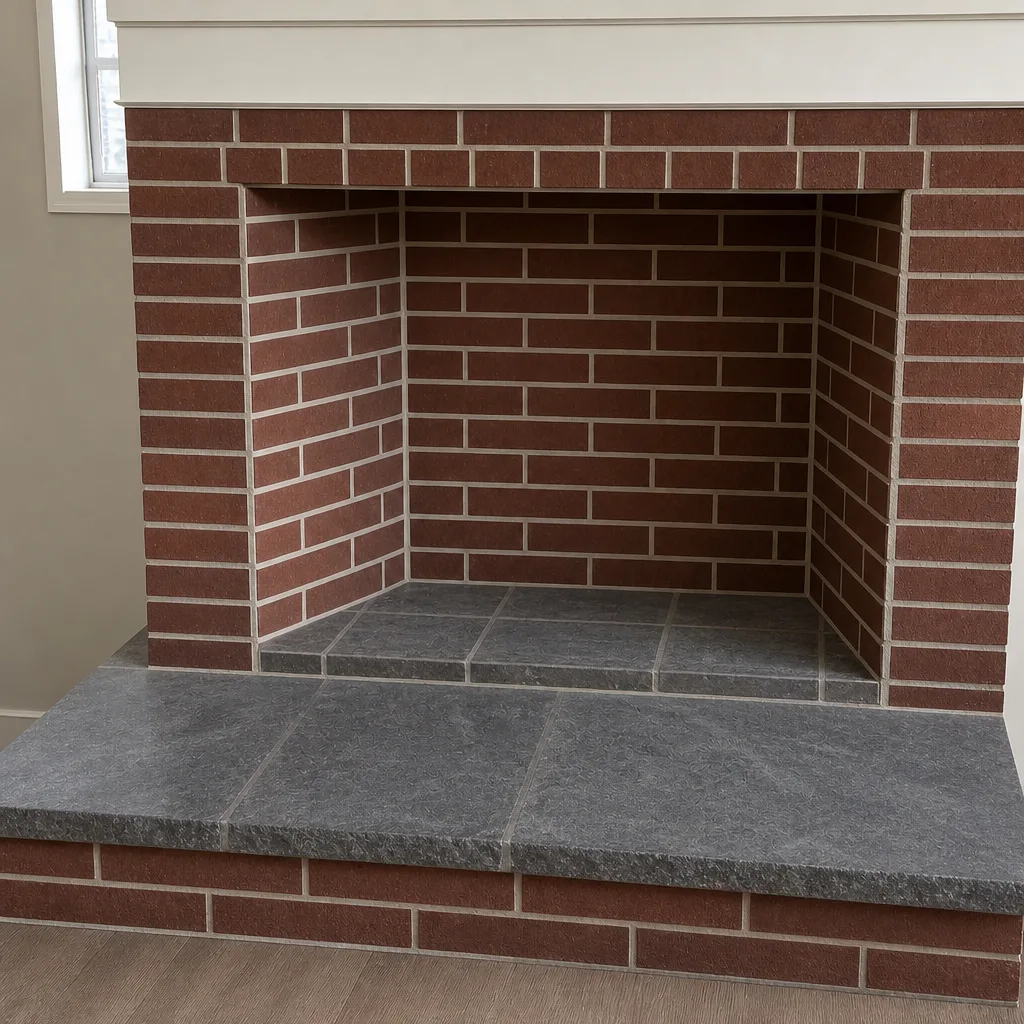
See the difference
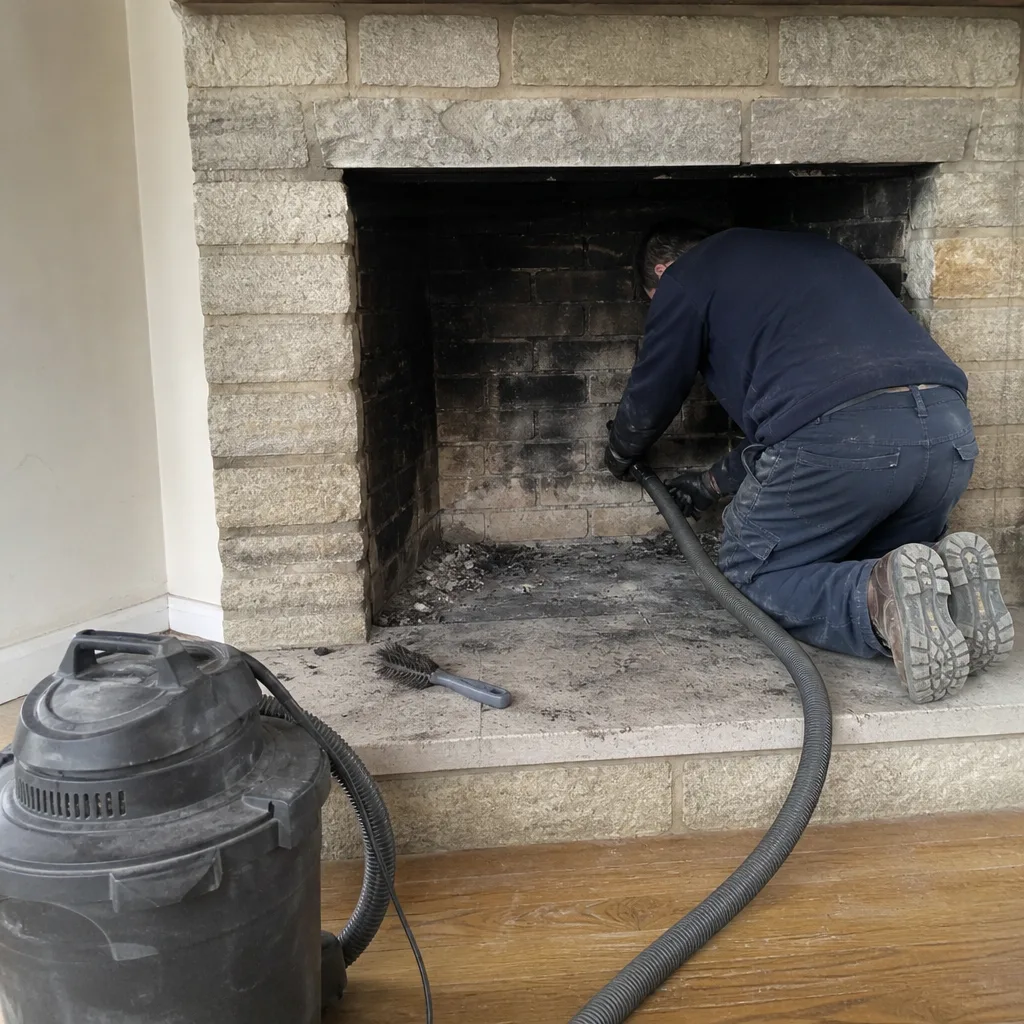 Before
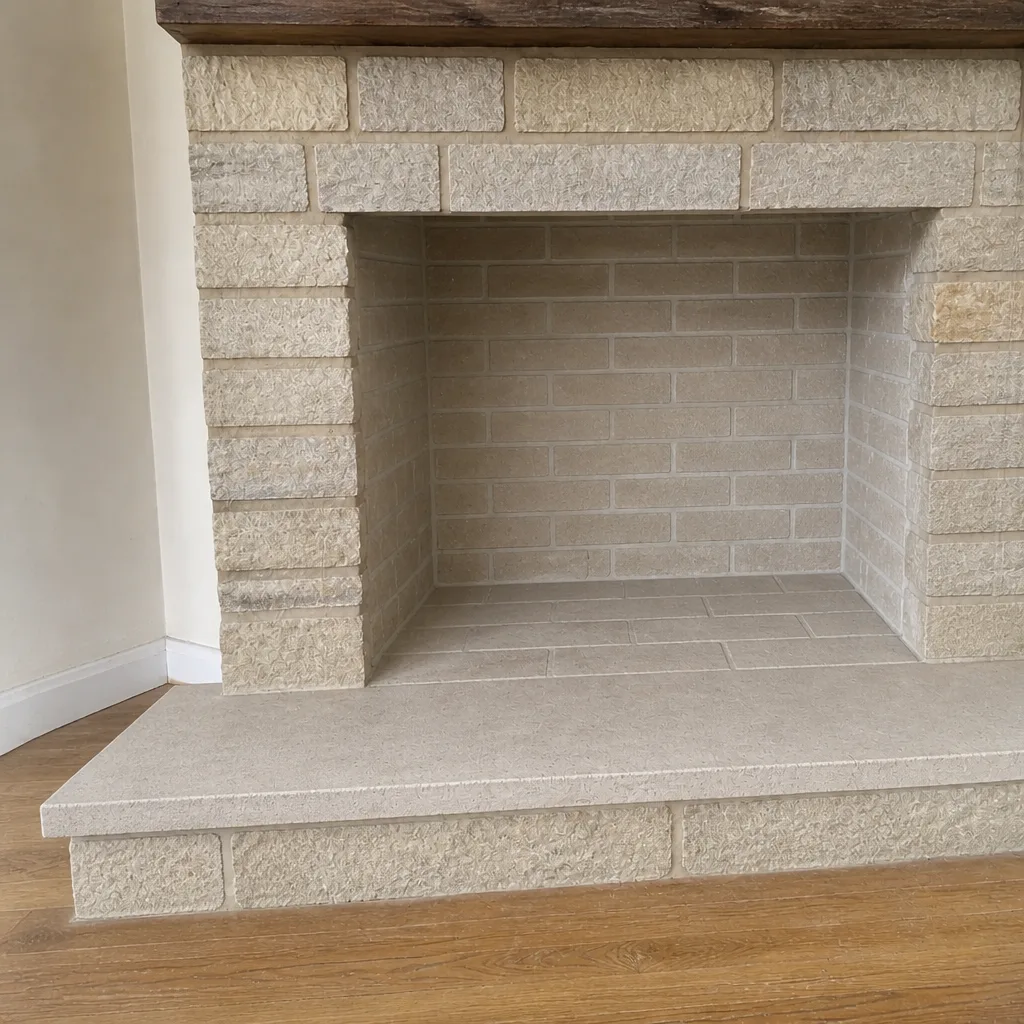 After
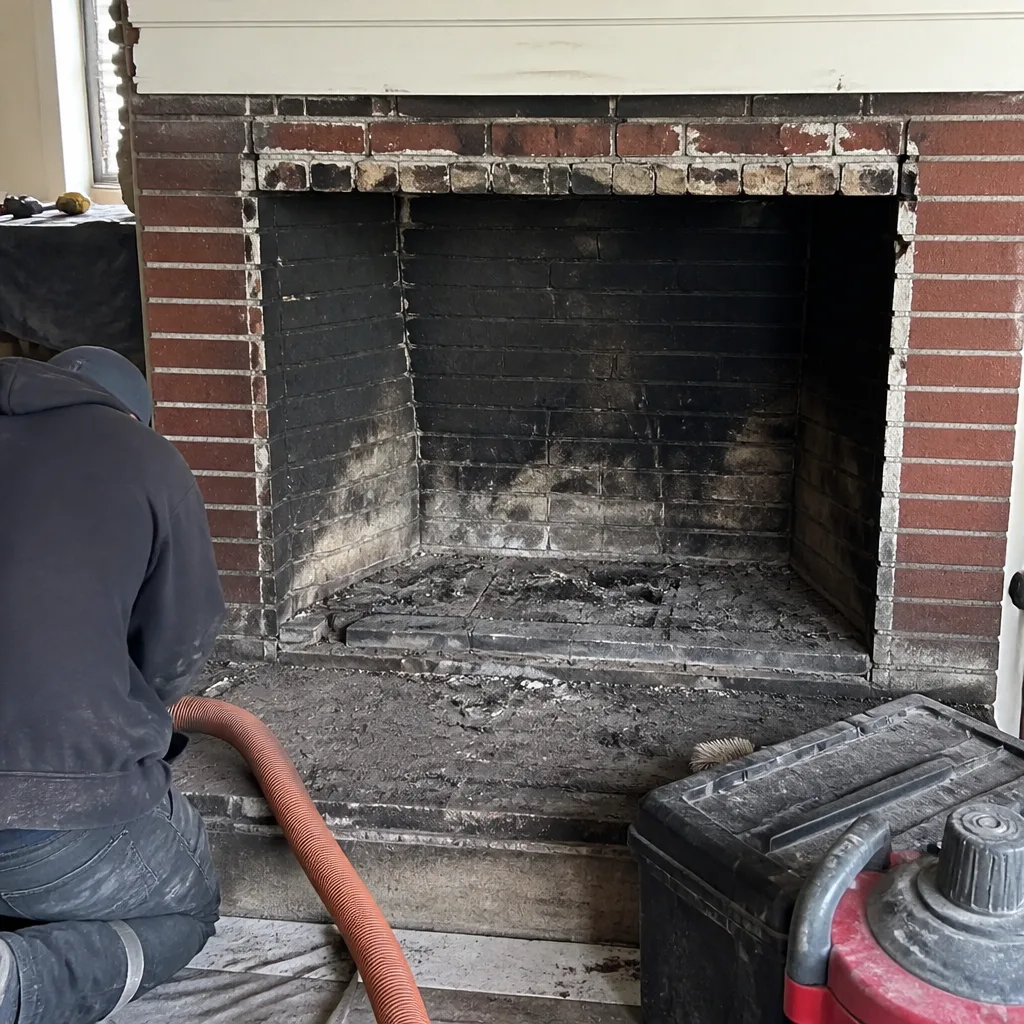 Before
 After
 Before
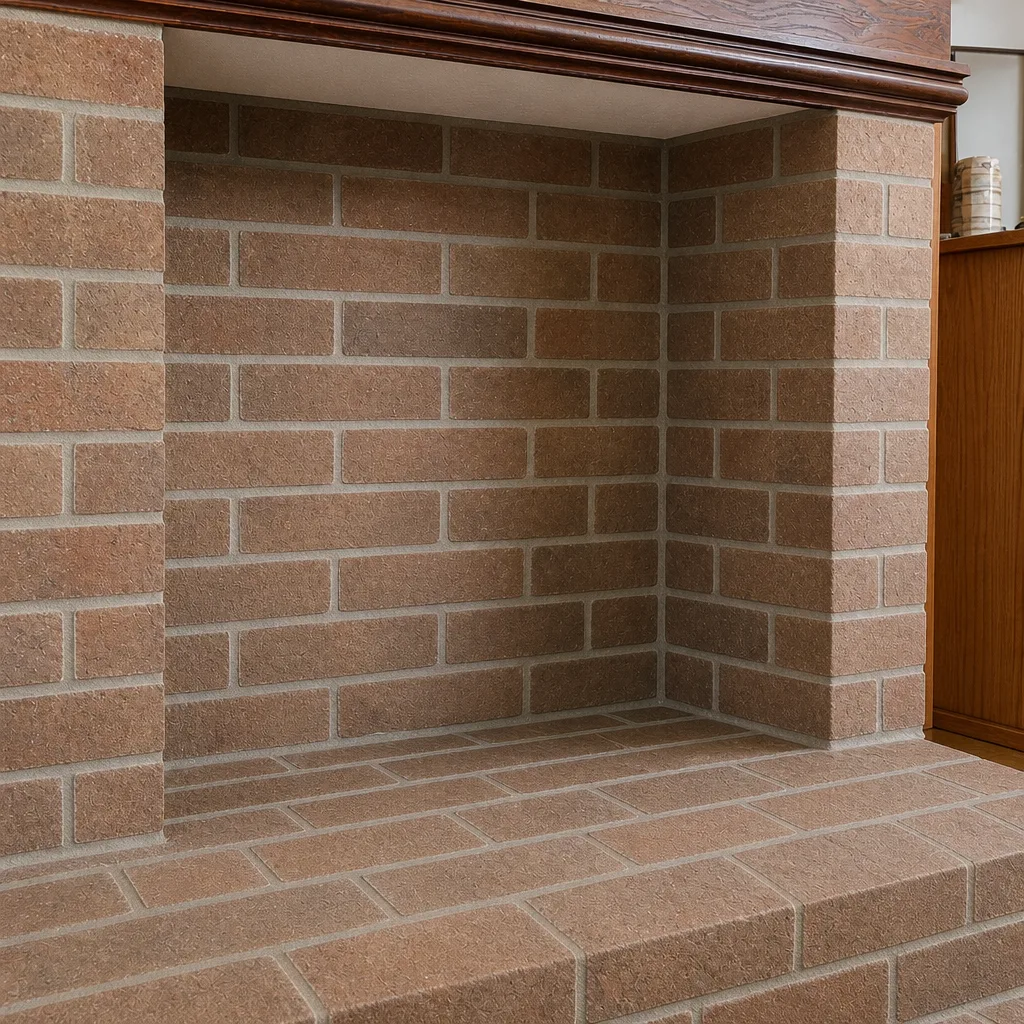 After
When to Call a Professional
Some chimney work you can check yourself: note any smoke in the firebox when you light a fire, listen for unusual sounds, and look at the cap from the ground. But most real problems need a trained eye and the right tools. Call a professional when any of the following apply: you’ve never had the chimney inspected; you’re buying a home in Port Richmond and need a Level 2 inspection; you’re noticing reduced draft, smoke odors, or soot around the firebox; you’ve had a chimney fire or a blocked flue; you’ve converted from wood or coal to gas; or your masonry cap shows cracks. We offer free estimates in Port Richmond, and the estimate includes a proper look at what’s actually going on. Call (855) 789-9672. We answer 24/7, with fast dispatch from 7am to 7pm, Sunday through Friday.
Frequently Asked Questions
A standard sweep in Port Richmond typically costs $150 to $300 for one flue, with a Level 1 inspection usually included. Level 2 inspections for home sales or fuel conversions run higher, and any liner or cap work gets quoted separately. The written estimate sets the final price. Call (855) 789-9672 for an exact quote, and estimates are free.
Once a year for most wood-burning flues, or after about a cord of wood burned. Port Richmond’s coal-era masonry flues can accumulate creosote faster than modern liner systems, so the annual interval is worth holding to. If you notice smoke rolling into the room or heavy soot at the damper, don’t wait for the calendar.
Only if the flue liner is actually compromised. A liner replacement is recommended when a camera inspection shows cracking, spalling, or gaps in the clay tiles, not because the flue is old. HeatShield ceramic resurfacing can restore and seal a deteriorating liner in many cases, and full relining with DuraFlex or Olympia Chimney systems is another option when resurfacing isn’t viable. We won’t recommend either without showing you the footage first. Call (855) 789-9672 to book an inspection and decide from there.
Creosote builds up in the flue, and at the glazed stage it becomes a fire risk. Separately, a blocked or damaged flue can allow carbon monoxide to backdraft into the home. Skimping for a season or two isn’t necessarily catastrophic, but the risk grows and the repair cost grows with it. The fix is straightforward: a sweep before the heating season. Call (855) 789-9672 for a free estimate.
Level 1 is the annual visual check. Level 2 is for home sales, fuel conversions, or post-fire assessment, and it includes camera inspection of the flue. Level 3 is when hidden damage requires opening masonry or walls to investigate. If you’re buying a Port Richmond home or have just converted a coal-era flue to wood or gas, ask for Level 2. Call (855) 789-9672 and we’ll confirm which applies to your situation.
Yes, and we document the flue arrangement before we sweep. In many Port Richmond rowhouses, flues cross between units and the shared brickwork sits behind both walls. Documenting which flue serves which fireplace protects both owners and helps prevent disputes about responsibility for shared repairs. Call (855) 789-9672 to discuss your rowhouse layout.
The Bottom Line
Chimney cleaning in Port Richmond isn’t a generic annual service. The coal-era 1900 to 1950 housing stock means your flue was engineered for a different combustion profile than what it handles today, and that changes how creosote forms, how the sweep should be done, and what a home inspection or fuel conversion actually demands. Book in late summer, not October. Ask for documentation, especially on shared rowhouse chimneys. And insist on camera evidence before any liner recommendation. A Port Richmond Chimney Sweep visit covers the sweep, the inspection, and the report in one visit.
If you’re ready to get a real picture of your chimney, call (855) 789-9672. We answer 24/7, fast dispatch from 7am to 7pm, Sunday through Friday. Free estimates, and no recommendation without evidence you can see.
For a closer look at the individual services, review our chimney sweep process, fireplace repair options, and chimney cap & crown work.
Written by the team at Port Richmond Chimney Sweep.