
Last updated November 23, 2026
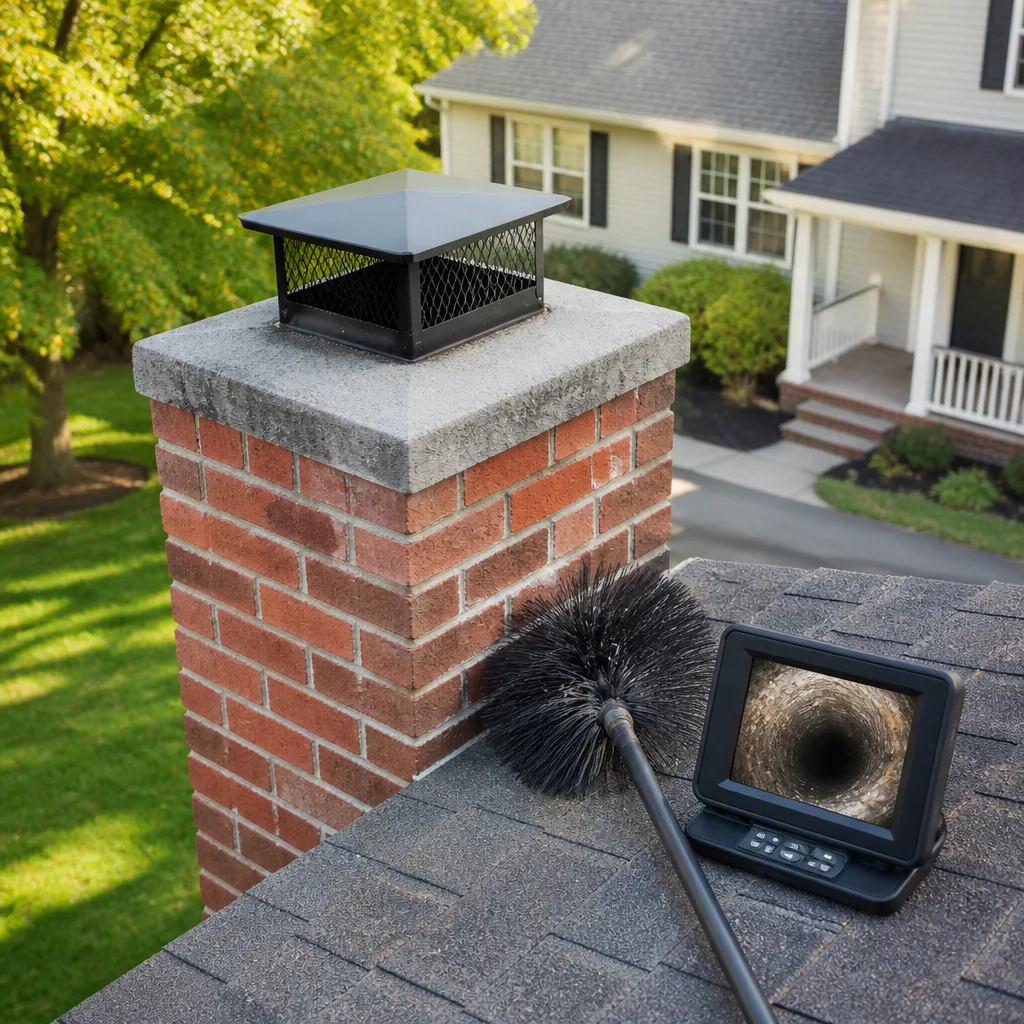 Sweep & inspection
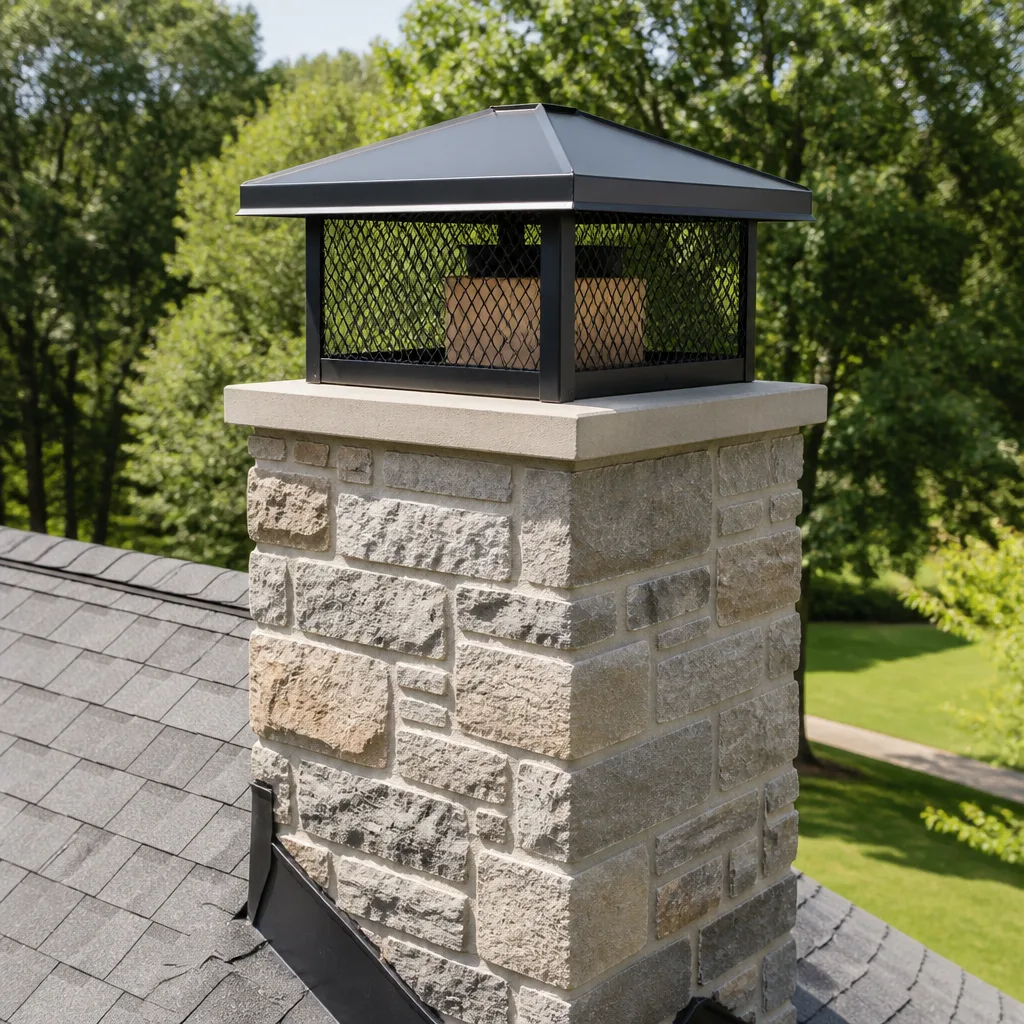 Caps & crowns
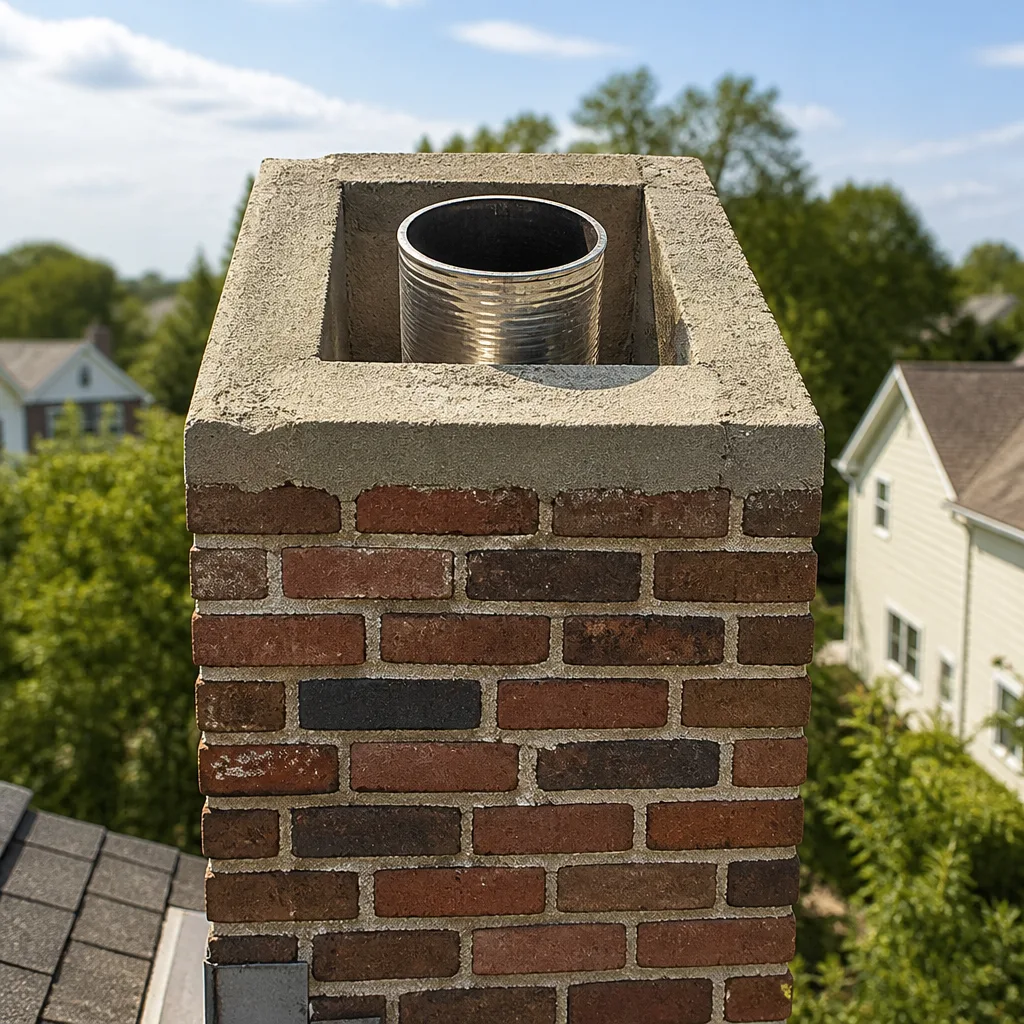 Flue relining
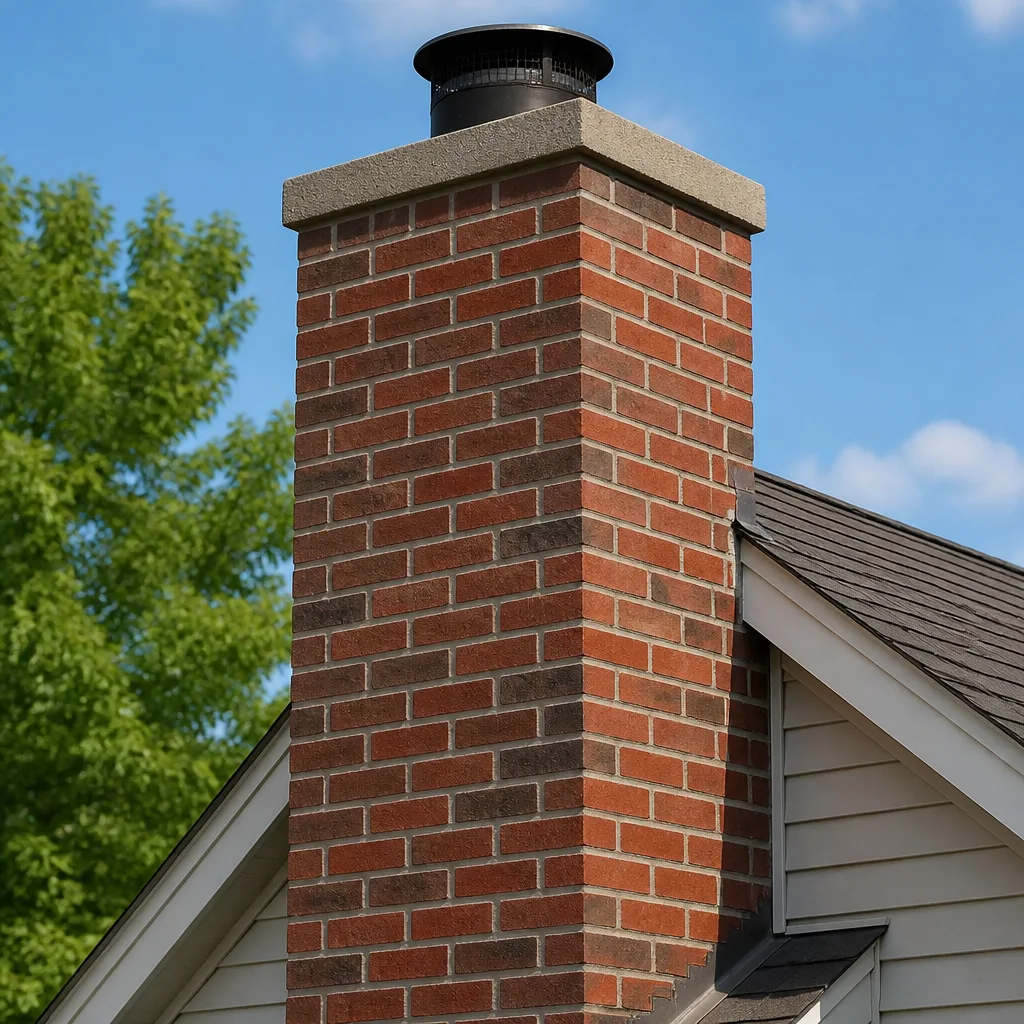 Masonry repair
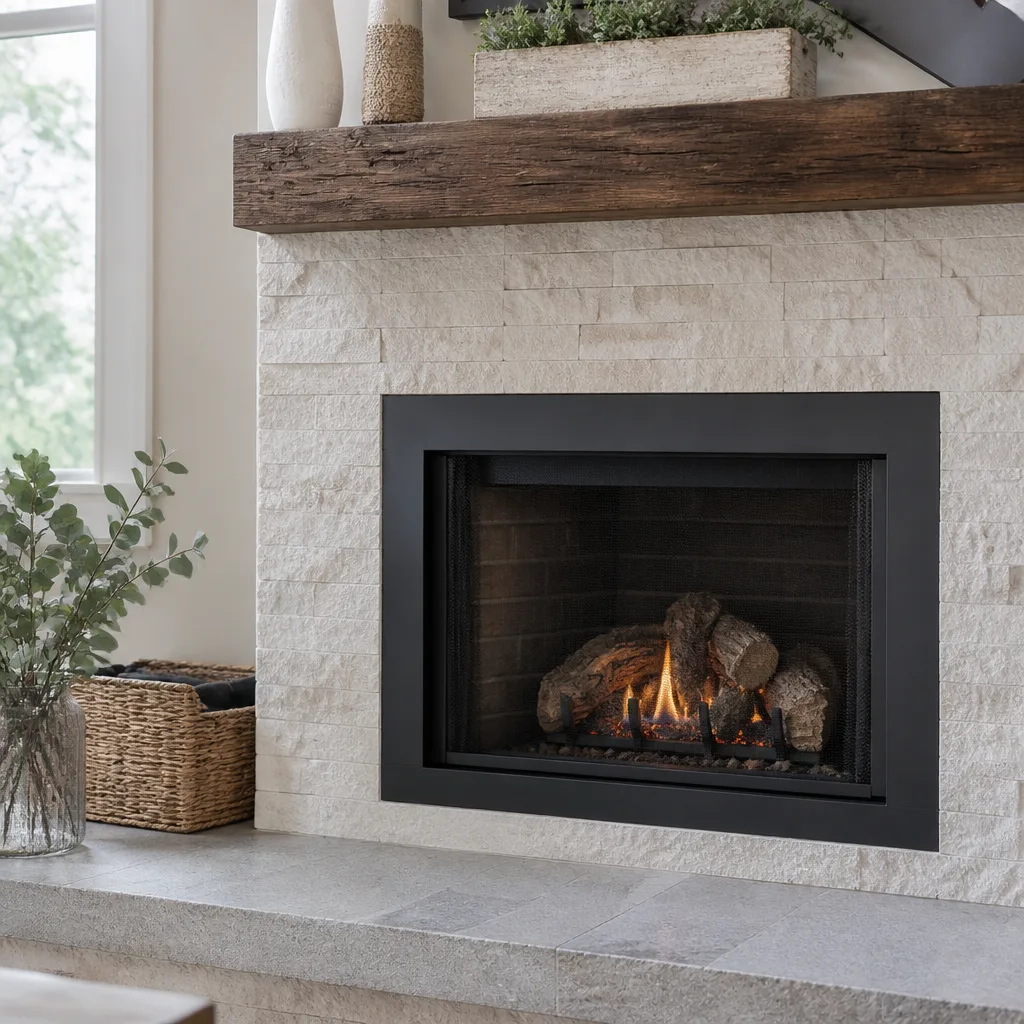 Gas fireplace service
Level 1 sweep and inspection to the NFPA 211 annual standard - flue, crown, cap, and flashing checked and photographed
Chimney sweep logs do not sweep chimneys. They loosen some creosote - which then falls where a brush and vacuum still have to collect it.
DIY vs Professional Chimney Cleaning: The Port Richmond Homeowner’s Decision Guide
You can physically remove creosote from a flue with a brush kit that costs less than a tank of gas. That part of chimney cleaning is real, and plenty of homeowners do it. But brushing a flue has a blind spot you can’t work around with effort or patience: once the soot is gone, you still can’t see the condition of the flue tile behind it. A hairline crack in that tile can send heat and embers straight into the framing of your wall, and it looks exactly like a healthy tile from the top of the ladder. This guide draws the technical line between what’s reasonable to handle yourself and what genuinely needs a trained set of eyes. We’ll cover the mechanical limits of brushing, the specific cases where DIY makes sense in Port Richmond, and the five checks you shouldn’t skip if you go that route.
Quick Answer
DIY chimney cleaning is genuinely reasonable for a gas fireplace log set with no creosote buildup and a flue you can safely reach and inspect. For a wood-burning fireplace or insert used more than a handful of times per season, brushing the visible flue without a camera inspection can’t tell you whether the flue is cracked, offset, or blocked, and that visibility gap is where the real danger lives. A professional sweep combines mechanical cleaning with a camera inspection and a documented report, which is the part most homeowners can’t replicate at home.
Styles & brands we work with
- Sweep & inspection
- Caps & crowns
- Flue relining
- Masonry repair
- Gas fireplace service
Table of Contents
- What a brush actually removes, and what it can’t detect
- When DIY is genuinely reasonable
- When DIY becomes dangerous
- Port Richmond specifics: rooflines, shared stacks, tight rooms
- The insurance and liability angle
- Five non-negotiable checks if you DIY anyway
- Signs you should stop and call a sweep
- What a professional sweep actually involves
What a brush actually removes, and what it can’t detect
A chimney brush, whether a hand brush on rods or a rotary brush on a drill, does one job well: it scrapes loose soot and soft creosote off the inside of the flue. Glazed, tar-like creosote is a different animal. That third-degree creosote hardens into a shell that resists brushing and needs chemical treatment or mechanical rotary action to break down. If your brush slides through without pulling much off the walls, that can mean a clean flue, or it can mean the creosote is too hard for the brush to touch. From the top of the flue, those two situations look identical.
The bigger limit is diagnostic. A brush is a cleaning tool. It has no way to tell you four things that matter:
- Whether the flue tiles are cracked, spalled, or missing mortar joints
- Whether the flue has an offset or a partial blockage from a fallen tile or bird nest
- Whether the smoke chamber above the damper is coated with glazed creosote
- Whether the connection between the appliance and the flue is sealed and correctly sized
Those four items are exactly what a professional sweep is checking when they run a camera down the flue. The cleaning is the visible part. The inspection is the part that decides whether it’s safe to light a fire. In our experience, a flue that brushes clean can still fail a camera inspection, which is why we never treat the sweep alone as a clean bill of health. The same principle shows up in any chimney sweep we perform: the brush and the camera do two different jobs, and you need both.
When DIY is genuinely reasonable
We’re not going to tell you that brushing your own chimney is always wrong, because it isn’t. There’s a narrow set of conditions where a homeowner with the right tools and a safe roof situation can handle it without creating risk. Here’s what those conditions look like:
- Gas log set with no wood burning. A vented gas fireplace that’s never had wood in it produces very little creosote. What it does produce is more dust and light soot than tar, and the flue stays far cleaner than a wood-burning flue.
- A flue you can actually reach from a stable, flat surface. If your chimney is at the ridge of a steep roof or behind a parapet, this condition fails immediately.
- A short, straight flue with no visible damage at the firebox. A straight flue is easier to brush and easier to look up with a flashlight from below.
- No recent signs of trouble. No smoke spilling into the room, no strong creosote smell, no visible cracks in the firebox brick or mortar.
- You own a flashlight, a camera phone, and a drop cloth that seals. If you can’t photograph the flue interior before and after, you’re working blind.
Even in these cases, we’d frame the DIY sweep as maintenance between professional visits rather than a permanent substitute for one. The moment a wood-burning appliance enters the picture, or the flue is difficult to reach, the calculation changes. A house in Port Richmond with a wood-burning insert and a roof that pitches sharply down toward a neighboring rowhouse is not a good candidate for a homeowner on a ladder.
When DIY becomes dangerous
The line is clearer than most people expect. If any of these describe your setup, the brush kit should stay in the box:
- A wood-burning insert used more than eight times per season. More fires mean more creosote loading, and more creosote means more heat on the flue walls when a fire runs hot. A brush can clear the visible flue and still leave glazed creosote in the smoke chamber and at the flue collar.
- Any appliance that has ever backdrafted. Smoke spilling into the room when you light a fire is a draft problem, and it often traces back to a blockage or a sizing issue you can’t see or fix from the top of the flue.
- A flue with visible cracks, spalling, or missing mortar inside the firebox. Cracked flue tile is the exact failure that lets heat and embers reach the wood framing. If you can see the crack, you’re already past the point where DIY cleaning is the right move.
- A chimney on a steep or shared roofline. If getting on the roof requires a harness and anchor point, or if your stack is shared with an adjoining rowhouse, the risk of the work itself outweighs any savings.
- A home you just bought. You don’t know what the previous owner did or didn’t do. A documented inspection before your first fire is worth more than any amount of DIY cleaning.
Creosote fires burn hot enough to damage the flue and spread into the structure, and carbon monoxide has no smell, so it can build up from a blocked or cracked flue without anyone noticing until symptoms appear. That’s the honest reason we push professional inspection on wood-burning systems. Not because brushing is impossible to do yourself, but because the failure points hide exactly where a brush can’t look.
Port Richmond specifics: rooflines, shared stacks, tight rooms
Port Richmond’s housing stock shapes this decision more than most homeowners realize. The neighborhood is dense with rowhouses, and that creates three specific DIY challenges you won’t hit in a suburban single-family home. First, the rooflines are often steep and connected, which means the pitch is unforgiving and there’s no flat surface to set up a ladder safely. Second, chimneys are frequently shared between adjoining units, so the stack you see isn’t always the one your flue runs through, and a brush that goes down the wrong stack accomplishes nothing at best.
The third challenge is containment. A rowhouse has small, connected rooms, and soot is fine enough to travel through the whole floor before you notice it. A proper sweep in a Port Richmond rowhouse means sealing the firebox opening with a drop cloth and running negative air pressure so the soot goes up the flue, not into your living room. A homeowner brushing without that setup ends up cleaning the chimney and the entire first floor.
Then there’s the seasonal factor. Port Richmond gets cold winters, which means fireplaces run hard from late fall through early spring, and creosote builds up faster during the heaviest burning weeks. The right time to schedule a sweep is before the heating season starts, not after you’ve already had a few chimney fires’ worth of buildup. If you’ve been burning all winter, the flue is carrying more load than it was in October. That’s a scheduling reason, not a scare tactic: get it looked at before the next fire, and you’re in good shape.
The insurance and liability angle
This is the part of the debate that rarely gets mentioned, and it matters as much as the safety side. If you ever file a homeowner’s insurance claim for a chimney fire, the adjuster is going to ask a simple question: when was the chimney last inspected and cleaned, and do you have documentation? A brush kit and a memory of doing it yourself don’t answer that question. A dated inspection report from a professional sweep does.
Most homeowner’s policies don’t automatically exclude chimney fires, but they can deny a claim if the loss traces back to neglected maintenance. The exact language varies by carrier and policy, so it’s worth reading your own before the heating season rather than after a loss. What we can tell you is that a documented professional inspection gives your claim a clear maintenance record, and it gives you a written record of the flue’s condition at a specific point in time. That’s a piece of paper a DIY sweep can’t produce.
There’s a liability angle on the sale side too. If you sell a Port Richmond rowhouse, buyers and their inspectors ask for chimney documentation, and a recent professional report moves the process along. A missing report doesn’t kill a sale, but it invites renegotiation. The same documentation habit is worth building before you need it.
Five non-negotiable checks if you DIY anyway
If you’ve read the above and your setup still falls into the reasonable-DIY category, do these five checks before and after any sweep. Skipping any one of them turns a maintenance task into a gamble.
- Verify the flue is the right one before you start. In a shared rowhouse stack, trace the flue from the firebox up to the terminal cap before you send a brush down. If you can’t trace it, stop.
- Photograph the flue interior before cleaning. Use a bright flashlight or your phone camera from the firebox to document cracks, gaps, or heavy buildup. That “before” photo is the only record you’ll have if something turns up later.
- Seal the firebox opening with a drop cloth before you brush. Tape the cloth around the opening so it seals, and leave a gap for the rods. This is the step that keeps soot out of the rest of a small Port Richmond living room.
- Check the smoke chamber and damper after cleaning. The smoke chamber above the damper is where glazed creosote tends to hide, and it’s the part most DIY efforts miss. Shine a light up there after the flue is brushed and look for a tar-like shell.
- Do a draft test before your first fire. Light a small piece of newspaper near the open damper and watch where the smoke goes. If it drifts into the room instead of up the flue, the draft is compromised and the chimney needs a professional look before you burn anything.
If any of those five checks turns up something you can’t explain, that’s the signal to stop. A professional Port Richmond Chimney Sweep inspection with a camera report is the next step, and it’s the one that tells you what the brush couldn’t.
Signs you should stop and call a sweep
Some signals are unambiguous. If you see any of these, the DIY decision is over, and the call is the right move:
- Smoke rolling into the room when you light a fire. This points to a draft problem, a blockage, or a flue that’s the wrong size for the appliance.
- A strong creosote or campfire smell when the fireplace is cold. That smell means there’s buildup in the flue, and it’s often more than a brush can clear.
- Visible cracks, crumbling mortar, or white staining on the firebox brick. These are signs of moisture intrusion or heat damage, and both need a professional look.
- Any carbon monoxide detector activation. Leave the house, ventilate, and call for service before you use the fireplace again.
- A flue you can’t see into with a flashlight. If the firebox opening is too small or the flue has a bend, you’re working blind, and blind brushing is the exact thing this guide warns against.
When one of those shows up, the next step is an inspection with a camera and a written report, which is what we do on every job. Our technicians have up to 14 years of experience, and we work on chimneys only, not roofs or general handyman work. A sweep isn’t a substitute for that; it’s the same visit.
What a professional sweep actually involves
Here’s what a professional sweep gives you that a DIY brush kit can’t, laid out as a sequence so you know what to expect:
- A visual inspection of the firebox, damper, and smoke chamber. This catches the problems a flashlight from the floor can reveal, before any cleaning starts.
- A camera inspection of the flue. A camera run down the flue shows the condition of every tile, joint, and offset, and the footage is what separates a real report from a guess.
- Mechanical cleaning of the flue. Hand brushes and rotary tools clear soot and soft creosote, with containment set up so nothing enters the room.
- Treatment of glazed creosote if it’s present. This is where the job turns from cleaning into repair, and it’s the step most DIY efforts can’t finish.
- A written report and photo documentation. You get a record of what was found, what was cleaned, and what needs attention next.
We stock and install Gelco and Famco caps chosen for fit and durability, and we use HeatShield ceramic resurfacing for liner repair when the flue is deteriorating but not yet a full reline case. For a compromised flue, DuraFlex and Olympia Chimney liner systems are the structural fix. The point isn’t that every sweep turns into a repair. It’s that a sweep, inspection, fireplace repair, and chimney cap & crown work all come from one company, so nobody hands you off to a second contractor halfway through.
Common Mistakes to Avoid
- Brushing without a camera inspection. This is the mistake that hides every other one. A flue can brush clean and still have a cracked tile that will fail on the next hot fire.
- Assuming a gas fireplace needs no attention. A vented gas log set produces less creosote than wood, but it can still accumulate dust and soot, and the flue still needs an occasional look, especially in a rowhouse where the flue may share a stack.
- Cleaning on a steep Port Richmond roofline without anchoring. The height and pitch of a connected rowhouse roof are the wrong place to find out your ladder setup is unstable. If the roof is steep and shared, the sweep should come to you.
- Skipping containment in a small, connected living space. Soot travels. Taping a drop cloth around the firebox is the difference between a cleaned flue and a cleaned house.
- Cleaning only the flue and ignoring the smoke chamber. Glazed creosote often collects above the damper, where a brush won’t reach once it hardens.
- Calling the sweep done after the brush and skipping the draft test. A flue that’s clean but backdrafting will smoke your living room the first time you light a fire.
- Cleaning on a schedule you made up. Frequency depends on how much you burn, what you burn, and what the flue looks like inside. A woodburner used most nights in winter runs dirtier than one lit a dozen times a season.
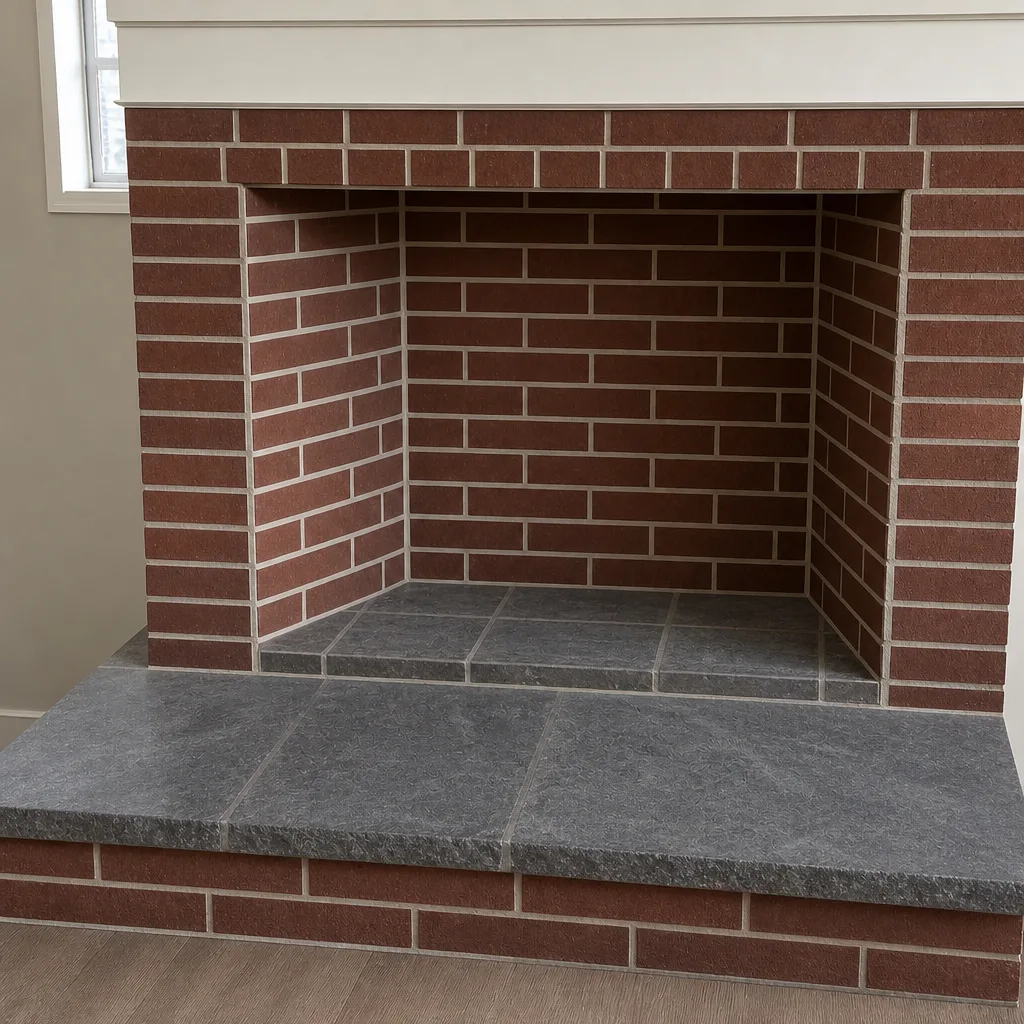
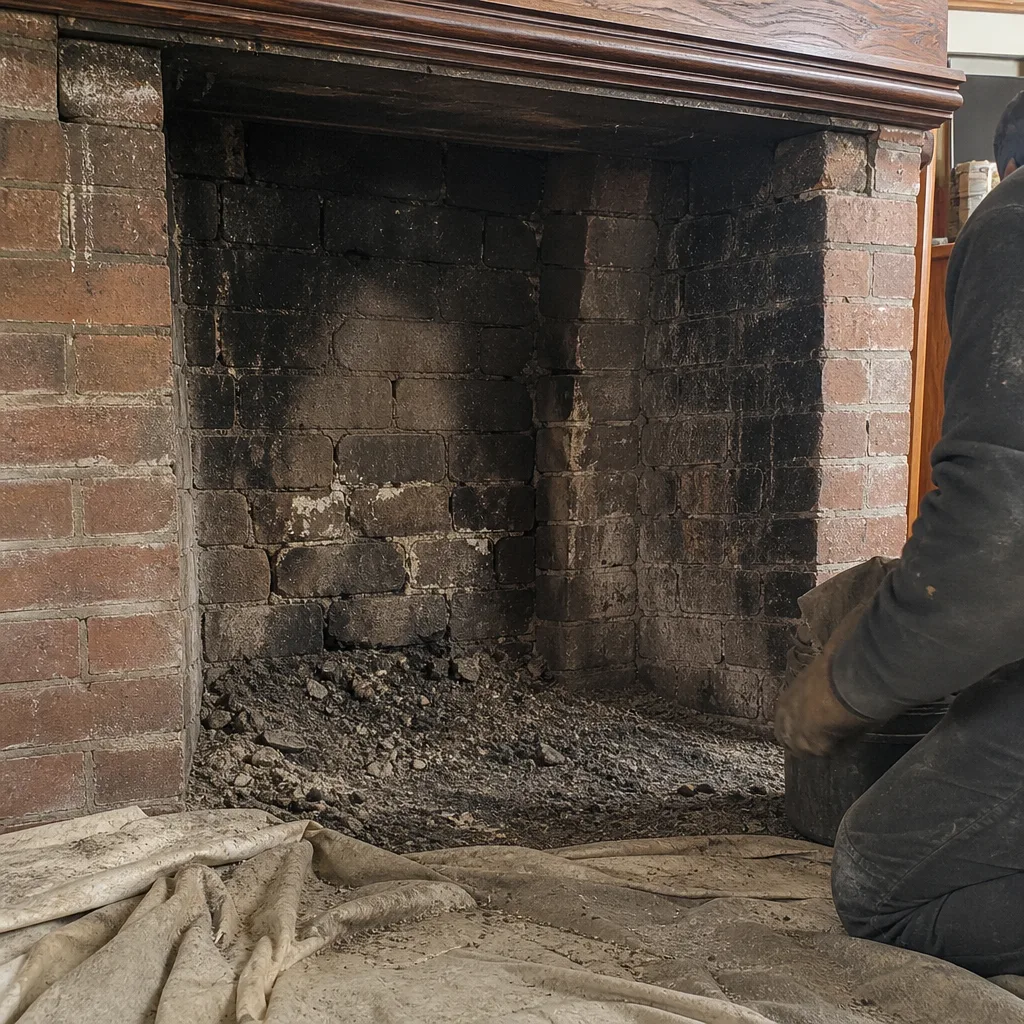
See the difference
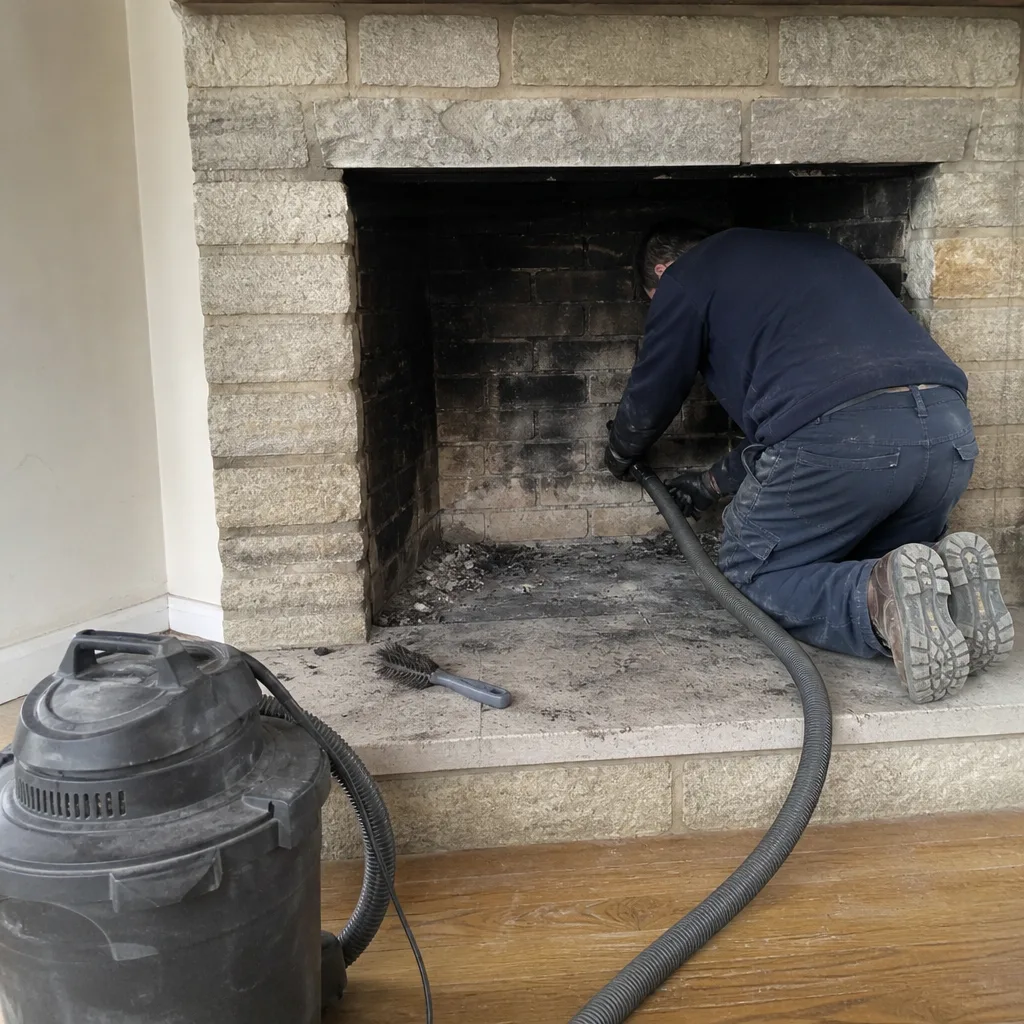 Before
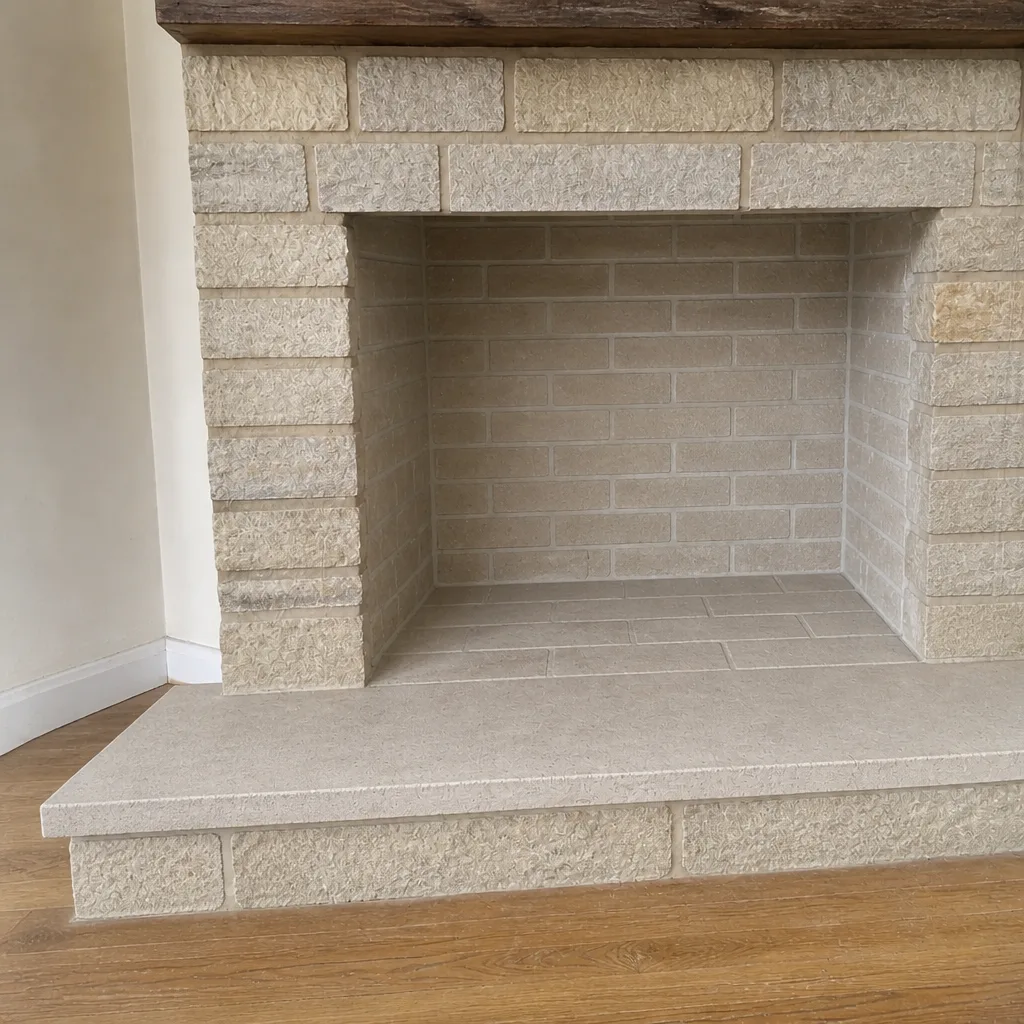 After
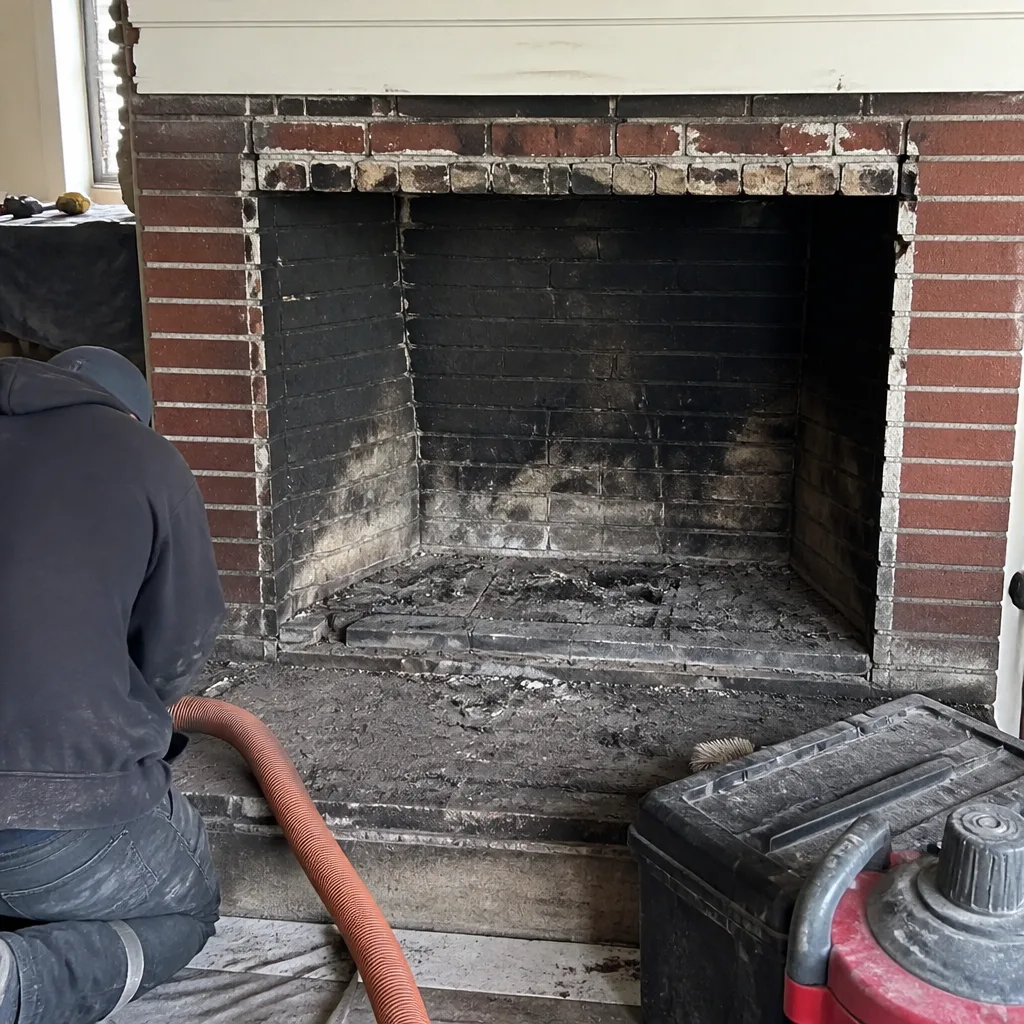 Before
 After
 Before
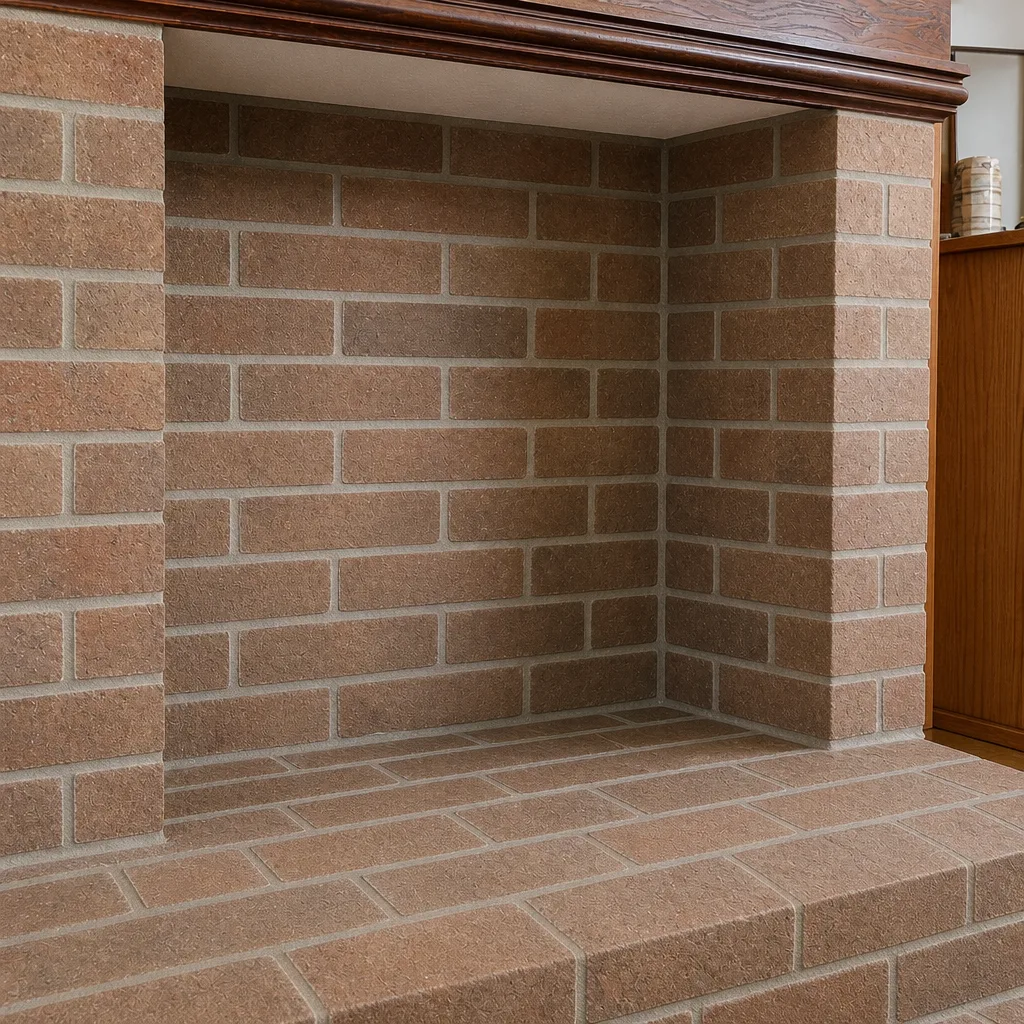 After
When to Call a Professional
If your fireplace burns wood more than eight times a season, if you’ve never had the flue inspected since buying the home, or if the chimney sits on a steep or shared Port Richmond roofline, the professional sweep is the right call. The same goes for any backdraft, any creosote smell, any visible crack in the firebox, and any carbon monoxide detector event. In those cases the brush kit isn’t saving you money; it’s leaving the diagnostic work undone. A camera inspection tells you plainly what’s going on, and if the flue turns out to be healthy, we say so and schedule the next sweep. If it needs liner repair, we tell you what’s involved and what it costs. Port Richmond Chimney Sweep offers free estimates in Port Richmond. Call (855) 789-9672. We answer 24/7. Fast dispatch from 7am to 7pm, Sunday through Friday.
Frequently Asked Questions
Yes, in a narrow set of cases: a gas fireplace log set with no creosote buildup, a flue you can safely reach from a stable surface, and no visible damage or signs of trouble. If you burn wood more than a handful of times a season, or the chimney is on a steep or shared roofline, the DIY sweep can’t tell you whether the flue is cracked, and that’s the part that matters. Call (855) 789-9672 for an exact quote on a professional inspection, and estimates are free.
A wood-burning fireplace used regularly should generally be swept each season before the heating months, while a gas log set with light use needs less frequent attention. The honest answer is that frequency depends on how much you burn and what the flue looks like inside, which is why a camera inspection is the real guide. If you’re not sure when the last sweep happened, get it looked at before the next fire. Call (855) 789-9672 for a free estimate.
Creosote builds up on the flue walls, and if it ignites, the fire burns hot enough to crack the flue and reach the framing. A blocked flue can also push carbon monoxide back into the home instead of venting it outside. Those are the two real risks, and both are why a flue with unknown condition shouldn’t be used. Call (855) 789-9672 for an inspection before you burn.
Note any smoke rolling into the room when you light a fire, any creosote smell when the fireplace is cold, and any visible cracks or crumbling mortar in the firebox. Those details help us understand what we’re dealing with, but they don’t replace a camera inspection. Call (855) 789-9672 to book a visit, and the estimate is free.
Likely yes. Adjusters routinely ask when the chimney was last inspected and cleaned, and a dated professional report answers that question in a way a DIY brush kit can’t. Policy language varies by carrier, so read your own before the heating season. Call (855) 789-9672 for an inspection that gives you a documented record.
A sweep inspects the firebox and smoke chamber, runs a camera down the flue, mechanically cleans it with proper containment for a small rowhouse interior, and documents the condition afterward. If the flue shows deterioration, we handle the repair with the same visit, using industry-standard materials like HeatShield ceramic resurfacing, Gelco caps, or a DuraFlex liner system where one is needed. Call (855) 789-9672 for a free estimate.
The Bottom Line
The DIY vs. professional debate comes down to what brushing can and can’t tell you. Brushing removes soot and soft creosote, and it’s fine maintenance for a gas log set or a lightly used wood fireplace with a safe, accessible flue. The problem is that brushing can’t see the cracked tile, the blocked flue, or the glazed creosote in the smoke chamber, and those are the failure points that put a Port Richmond home at risk. If your setup falls into the reasonable-DIY category, do the five checks. If it doesn’t, the camera inspection is the work that actually protects you. Either way, you now know where the line sits, and what’s on the other side of it.
Port Richmond Chimney Sweep works on chimneys and fireplace systems only, and one call covers the sweep, the inspection, and any repair that turns up along the way. Call (855) 789-9672 for a free estimate. We answer 24/7. Fast dispatch from 7am to 7pm, Sunday through Friday.
Written by the team at Port Richmond Chimney Sweep.