
Last updated November 23, 2026
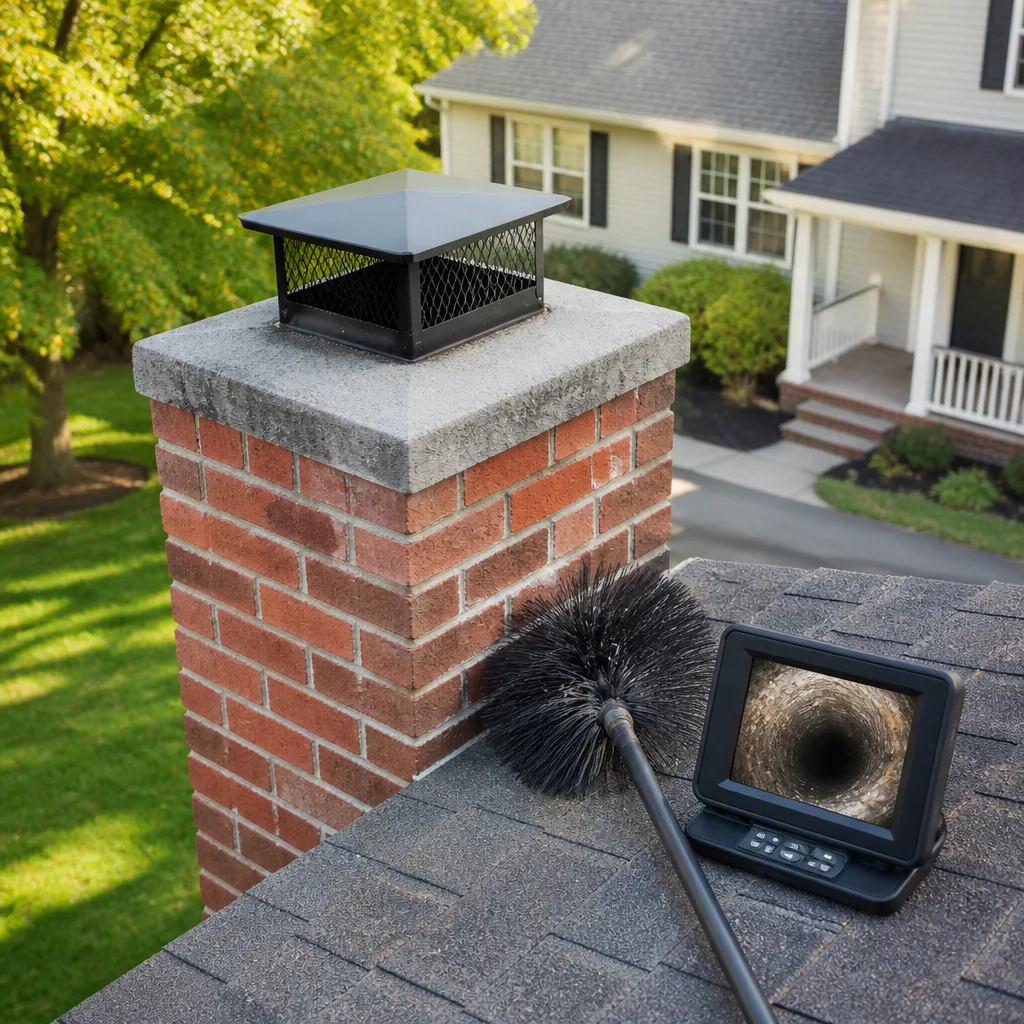 Sweep & inspection
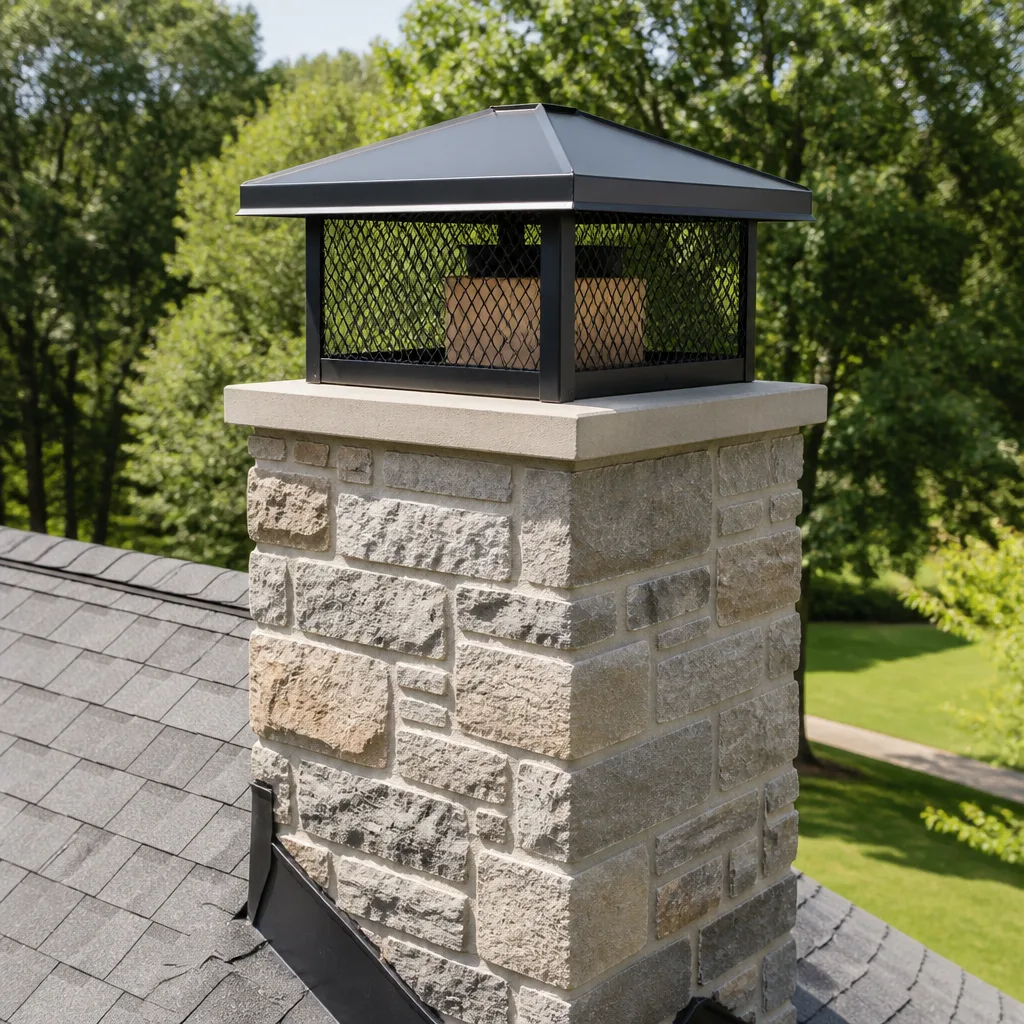 Caps & crowns
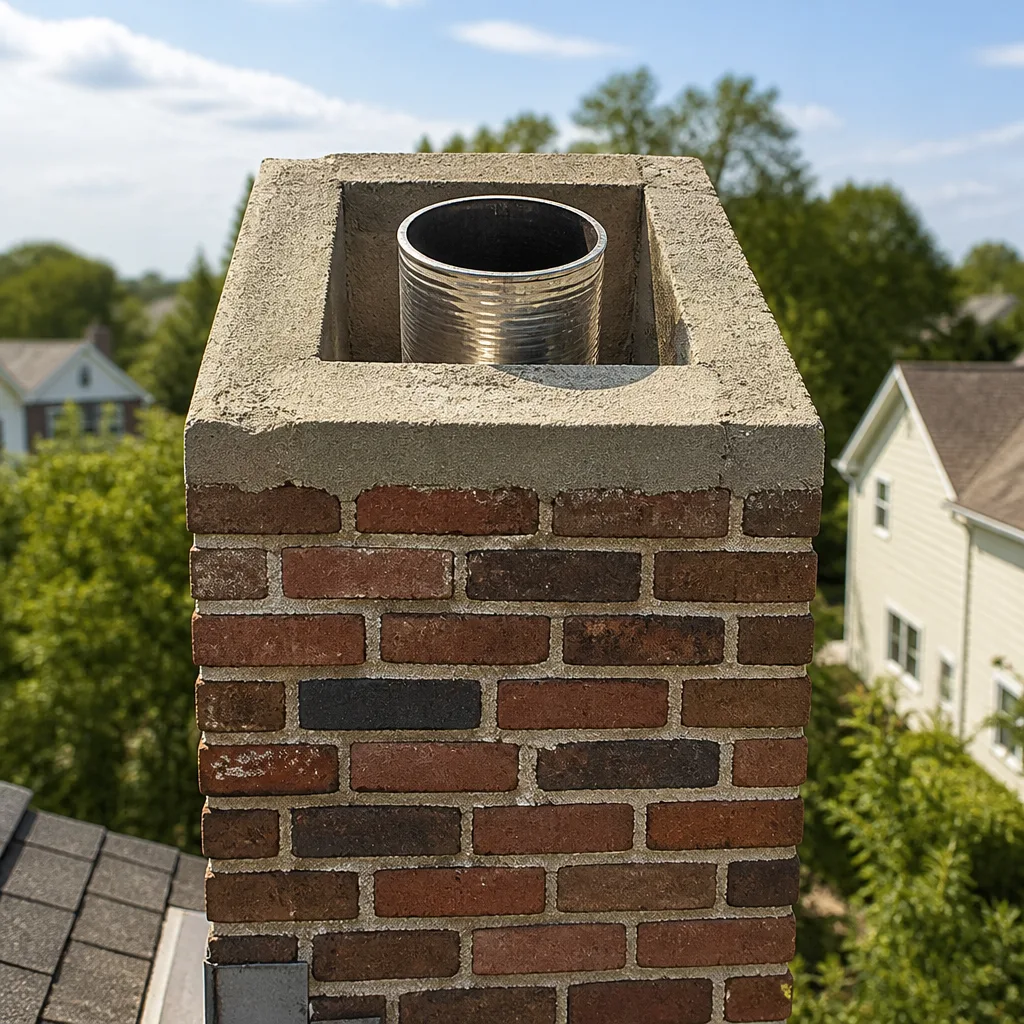 Flue relining
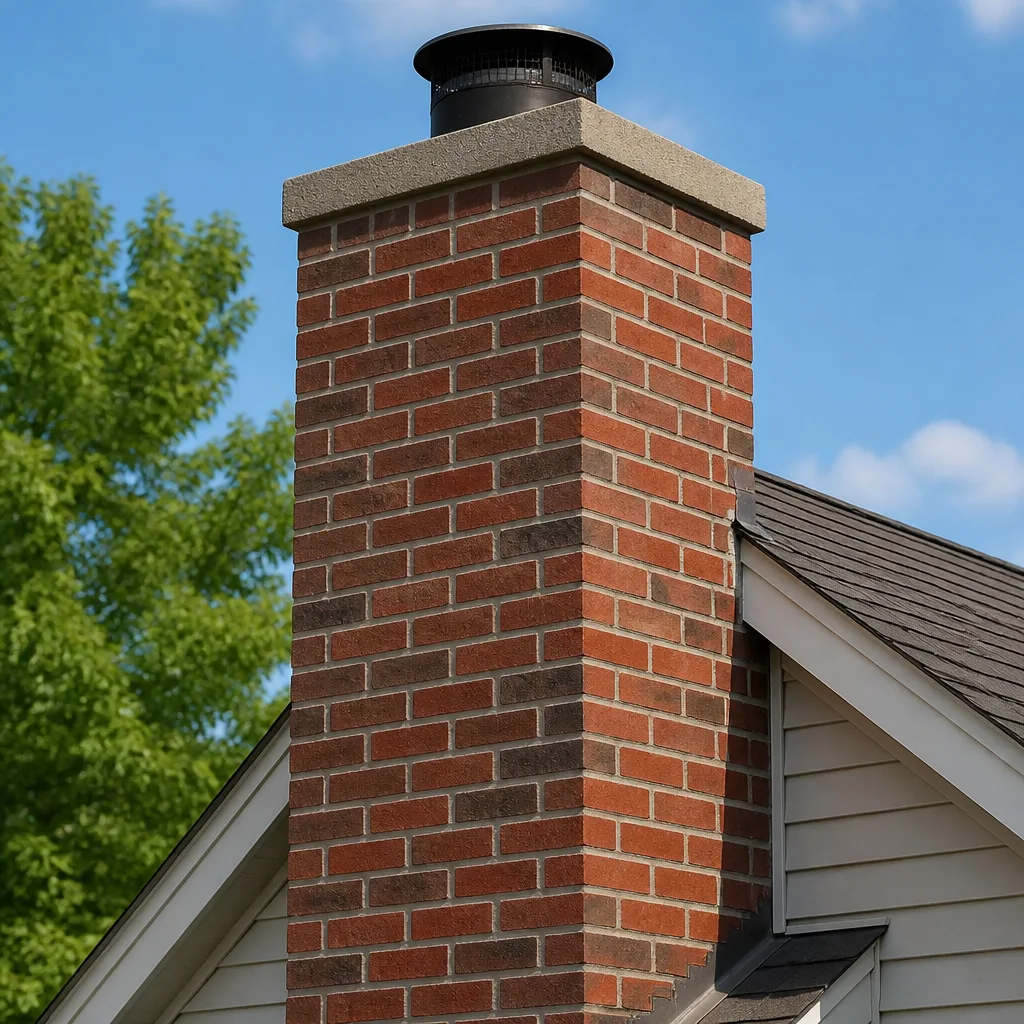 Masonry repair
 Gas fireplace service
Level 1 sweep and inspection to the NFPA 211 annual standard - flue, crown, cap, and flashing checked and photographed
Chimney sweep logs do not sweep chimneys. They loosen some creosote - which then falls where a brush and vacuum still have to collect it.
Choosing the Right Chimney Cleaning Brand: A Buyer’s Guide for Port Richmond
Most homeowners assume all stainless steel chimney liners are basically the same product with a different price tag. They aren’t. A 304-grade liner installed in a wood-burning application will corrode significantly faster than a 316Ti-grade liner, and the price difference at installation is far smaller than the replacement cost five years later. That’s a distinction most contractors won’t volunteer, because it’s easier to sell what’s already loaded. In a borough like Port Richmond, where so many homes still run on wood and older fireplace systems, the material behind the label matters more than the label itself. This guide gives you the product literacy to ask better questions and recognize quality materials by name before you sign anything.
Quick Answer
The right chimney cleaning brand in Port Richmond is the one whose product spec sheet matches your actual application: the correct stainless grade for your fuel type, a cap material suited to your chimney’s flashing, and a sealant chosen for your masonry’s condition rather than whatever is cheapest in bulk. Professional-grade brands such as DuraFlex, Olympia Chimney, HeatShield, Gelco, Famco, and Copperfield exist for specific jobs, and a chimney specialist should be able to tell you why one fits your system and another doesn’t. If a contractor can’t explain that reasoning, that’s your first clue.
Styles & brands we work with
- Sweep & inspection
- Caps & crowns
- Flue relining
- Masonry repair
- Gas fireplace service
Table of Contents
- Flue Liner Materials Compared: 304 vs. 316Ti and Beyond
- Chimney Cap Materials and Why They Matter on Older Port Richmond Homes
- Crown Sealants vs. Penetrating Waterproofers: Which Surface Needs Which
- Creosote Removal Products: A Tool, Not a Substitute
- How to Verify a Product Is Right for Your Chimney
- Why a Curated Brand Roster Signals Trade Depth
- Questions to Ask Before Your Next Sweep
Flue Liner Materials Compared: 304 vs. 316Ti and Beyond
The flue liner is the single most important component in your whole chimney system, and it’s the one homeowners understand least. It’s the metal or cast passage that carries smoke and combustion gases up and out, keeping them away from the wood framing and masonry around it. When that liner fails, gases can migrate into the house. So the material decision is a safety decision, not a cosmetic one. Here’s how the common options break down for Port Richmond’s housing stock, which runs heavily toward older masonry chimneys and wood-burning fireplaces.
Stainless steel: 304 vs. 316Ti
Both are stainless steel flexible liners, and both are common. The difference is the alloy. Grade 304 is a general-purpose stainless. Grade 316Ti adds titanium and molybdenum, which make it far more resistant to corrosion, particularly the corrosive condensates that form when wood burns and when a flue cools. In a wood-burning application where creosote and acidic moisture are constantly present, a 304 liner will degrade faster than a 316Ti liner. The installation cost gap is modest. The replacement gap, five or seven years down the road, is not. When a contractor quotes a liner without telling you the grade, ask. If they can’t answer, that’s a red flag.
Aluminum: gas only
Aluminum liners are legitimate, but only for gas appliances. They’re not rated for the heat and corrosive byproducts of a wood fire. If someone proposes an aluminum liner for your wood-burning fireplace in Port Richmond, stop the conversation. It’s the wrong material for the job, full stop.
Cast-in-place and resurfacing
Sometimes the existing flue doesn’t need a full liner at all. Cast-in-place products and ceramic resurfacing systems can restore and seal a deteriorating liner from the inside, which is the approach HeatShield is engineered around. The right answer depends on how much of the original flue is still structurally sound, which is exactly why a camera inspection comes before any material is chosen. You should be able to see what the technician sees before you agree to anything.
A reline is a structural decision with real cost attached, and it’s the kind of work where getting the material right the first time saves you a second job. If you’re weighing relining versus other repairs, start with a professional chimney repair assessment rather than a hardware-store guess.
Chimney Cap Materials and Why They Matter on Older Port Richmond Homes
A chimney cap is a small piece of metal with an outsized job: keep rain, snow, animals, and debris out of the flue while letting smoke escape. Cap material is where a lot of cheap jobs quietly fail. Here’s the honest comparison.
- Galvanized steel: The inexpensive baseline. It works, but the zinc coating wears, and once rust starts on a cap, it doesn’t stop. Fine for a short horizon, not for a homeowner thinking in decades.
- Stainless steel: The practical upgrade. It resists rust far better than galvanized and holds up through the freeze-and-thaw cycles that Port Richmond winters bring. This is what Famco and similar professional-grade cap lines are built around, chosen for fit precision and durability.
- Copper: The premium choice. Copper doesn’t rust the way steel does; it develops a patina and can last a very long time. On Port Richmond’s older ornamental chimneys, though, copper caps are where one detail gets missed: the flashing that ties the cap to the masonry must be a compatible metal. Mixing copper with a dissimilar metal at the flashing junction invites galvanic corrosion, and the joint fails before the cap does. If you’re going copper, the flashing has to be specified with it.
- Identify your current cap material and its condition.
- Measure the flue opening precisely, since a loose cap rattles, leaks, and invites animals.
- Confirm the cap material is compatible with your flashing and crown material.
- Ask for the product spec so you know the gauge and material grade, not just the finish color.
The right cap is a marriage of material, fit, and the specific chimney it sits on. When we quote chimney cap & crown work, the material choice is part of the conversation, not an afterthought.
Crown Sealants vs. Penetrating Waterproofers: Which Surface Needs Which
Water is the quiet destroyer of masonry chimneys, and Port Richmond’s freeze-and-thaw winters are hard on brick. The fix depends entirely on what condition the surface is in, and this is where product confusion costs homeowners money. There are two broad categories, and they are not interchangeable.
Surface sealers
A surface sealer, the CrownCoat-type product many contractors use, lays a flexible membrane over the crown or masonry face. It’s the right tool when the surface has hairline cracks or a rough, porous texture that needs a continuous protective skin. It bridges small defects rather than filling them from within.
Penetrating waterproofers
A penetrating waterproofer soaks into the masonry and lines the pores from the inside, blocking water while still letting the brick breathe. Vapor has to escape; sealing masonry so tightly that moisture can’t get out is its own problem, because trapped water freezes, expands, and spalls the brick face. Penetrating products suit sound masonry that just needs water resistance, not a bridge over cracks.
How to match product to condition
- Inspect the crown and masonry face for cracks, spalling, and crumbling mortar.
- If the crown has structural cracks or missing chunks, that’s repair territory, not a sealer job.
- If the surface is rough and porous but intact, a surface sealer bridges the texture.
- If the masonry is sound and just absorbing water, a penetrating waterproofer is the fit.
- Never apply a sealer over active water intrusion; fix the source first.
Applying the wrong category here is worse than applying nothing, because it can trap moisture or mask a failing crown. The decision has to follow the inspection. If your crown looks rough, that’s one more reason to schedule a chimney sweep and inspection together, since the technician can evaluate the crown at the same visit.
Creosote Removal Products: A Tool, Not a Substitute
Creosote is the tar-like residue that builds up inside a flue as wood burns. In its early, flaky stage it’s manageable with brushing. In its later, glazed stage it’s hard, shiny, and stubborn, and it’s a genuine fire hazard because it’s combustible. Chemical creosote removers, the ACS-type products, are legitimate tools, but too many homeowners treat them as a replacement for a sweep. They aren’t.
- When a chemical treatment makes sense: as a between-sweep maintenance tool on light to moderate buildup, to soften residue so the next mechanical brushing is more effective. It can also help keep a well-maintained flue from reaching the glazed stage.
- When it does not: as a fix for heavy or glazed creosote. A chemical treatment applied over a thick glaze won’t remove it. Mechanical brushing by a trained technician is the only reliable way to clear a heavily fouled flue, and in severe cases the liner itself needs evaluation.
Think of chemical removers the way you’d think of a cleaning solution versus actually scrubbing the pan. The solution helps. The scrub is the work. Port Richmond homes burning seasoned wood will build creosote more slowly than homes burning green or wet wood, but no wood fire is creosote-free, and the buildup is invisible until someone inspects it.
Be cautious with any product that promises to remove glazed creosote without mechanical action. Ask what’s in it, whether it’s rated for your liner material, and whether the manufacturer’s instructions require a follow-up brushing. If the answer to the last one is yes, you already know the sweep is still necessary.
How to Verify a Product Is Right for Your Chimney
Asking your contractor to show you the product specification sheet is a completely reasonable request, and it’s the single most useful habit this guide can give you. Spec sheets list the material grade, the temperature rating, the fuel compatibility, and the manufacturer’s installation requirements. Any of those can disqualify a product from your application. When a technician hands over the spec, you can read for yourself that a product is rated for wood versus gas, what temperature it’s tested to, and whether it’s approved for the liner repair method being proposed.
- Ask for the spec sheet for every major product being proposed: liner, cap, sealant, resurfacing material.
- Check the fuel compatibility. Wood and gas have different requirements, and a product rated for one may be invalid for the other.
- Check the material grade on stainless items, especially liners.
- Check the manufacturer’s installation instructions: application method, surface prep, and cure time all matter.
- Confirm the product is approved for the repair method being used, not just for the general category.
- Ask the technician to explain why this specific product fits your chimney, not a generic chimney.
A specialist who knows the products will welcome the question because it’s the same reasoning they used to make the recommendation. A contractor who can’t produce a spec sheet is telling you something too. If you’re early in the process and want a plain-language assessment first, a Port Richmond Chimney Sweep inspection is where that conversation starts.
Why a Curated Brand Roster Signals Trade Depth
Professional chimney brands exist because the trade has real material requirements, and general-purpose materials don’t always meet them. When a company works regularly with DuraFlex and Olympia Chimney for liner systems, those names mean something specific: they’re engineered products with published specs, not generic metal rolled to fit. HeatShield is a ceramic resurfacing system built to restore and seal a deteriorating flue liner, and knowing how to apply it is a specific skill most general contractors aren’t trained or equipped for. Gelco and Famco caps earn their place through durability and fit, not through being the cheapest item in a catalog. Copperfield covers belong in the same conversation about copper and premium caps.
Why does the roster matter to you? Because a company that understands these products understands the material trade-offs, and can tell you which grade of stainless belongs in a wood-burning flue and which one doesn’t. A generalist who “does chimneys on the side” usually installs what the local supply house carries, in whatever grade it comes in. The brand roster is a proxy for the depth of the conversation you’re about to have. It’s not a guarantee, but it’s a strong signal.
We work with professional-grade brands across the whole system, from liner to cap to crown, because the products interlock. A great cap on a failing crown still leaks. A perfectly rated liner under a rusted cap still gets wet. The brands matter as a set, and so does the fact that one company sees the whole system.
Questions to Ask Before Your Next Sweep
A chimney sweep visit is a conversation as much as a service, and the questions you ask shape the answers you get. These are the ones that separate a well-reasoned recommendation from a guess.
- “What grade of stainless is the liner you’re proposing, and why that grade?” 316Ti for wood-burning is a materially different answer from 304, and the reasoning should be specific to your fuel and flue.
- “What does the spec sheet say about fuel compatibility?” If the product isn’t rated for your fuel type, nothing else matters.
- “Is the cap material compatible with my flashing?” Especially relevant if copper or a premium cap is on the table.
- “Is this a surface sealer or a penetrating waterproofer, and what did you see that calls for it?” The answer should reference the actual condition of your crown or masonry.
- “Is the creosote light enough for chemical treatment, or does it need mechanical brushing?” Honest answers here tell you whether the product is a maintenance aid or a shortcut.
- “Can I see the camera evidence before you recommend anything?” A specialist will show you the flue on camera, not just describe it.
You don’t need to become a chimney expert to ask these. You just need to know that a good answer exists, and that a specialist can give it. When a recommendation comes with a material name, a grade, and a spec sheet, you can evaluate it. When it comes with a shrug and a price, you can’t. Ask for the reasoning. The good companies have it ready.
Common Mistakes to Avoid
- Accepting a liner quote without knowing the grade. If a contractor won’t tell you 304 from 316Ti, you can’t judge whether the material suits your wood-burning flue. Ask, and expect a specific answer.
- Putting a copper cap on a chimney without matching the flashing. Port Richmond’s older ornamental chimneys often have mixed-metal details, and copper against a dissimilar metal at the flashing junctions invites galvanic corrosion.
- Sealing masonry that should be breathing. A penetrating waterproofer is wrong on a crown with active cracks, and a surface sealer over wet masonry traps moisture. The condition dictates the product.
- Using a chemical creosote remover as a substitute for a sweep. It softens residue; it doesn’t clear a fouled flue. Glazed creosote needs mechanical brushing.
- Choosing a generalist for a chimney product decision. A roofer or handyman who does chimney work on the side likely installs whatever grade is on the shelf, not the grade your application requires.
- Skipping the camera inspection to save time. Without it, no one can tell you whether your existing liner needs resurfacing or full replacement, and the wrong product choice is expensive.
- Assuming the cheapest cap or sealant is good enough. In Port Richmond’s freeze-and-thaw winters, the lower-grade material often fails first, and the replacement cost lands sooner.
See the difference
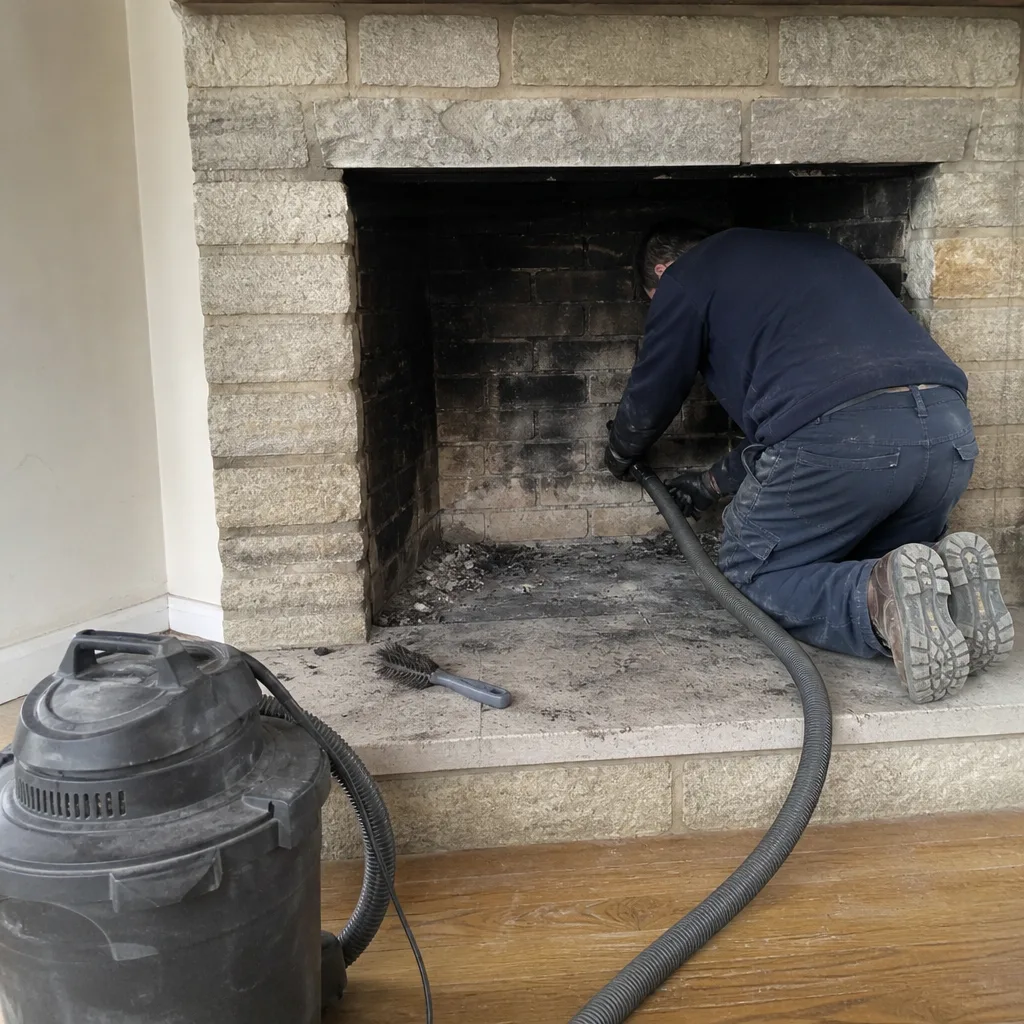 Before
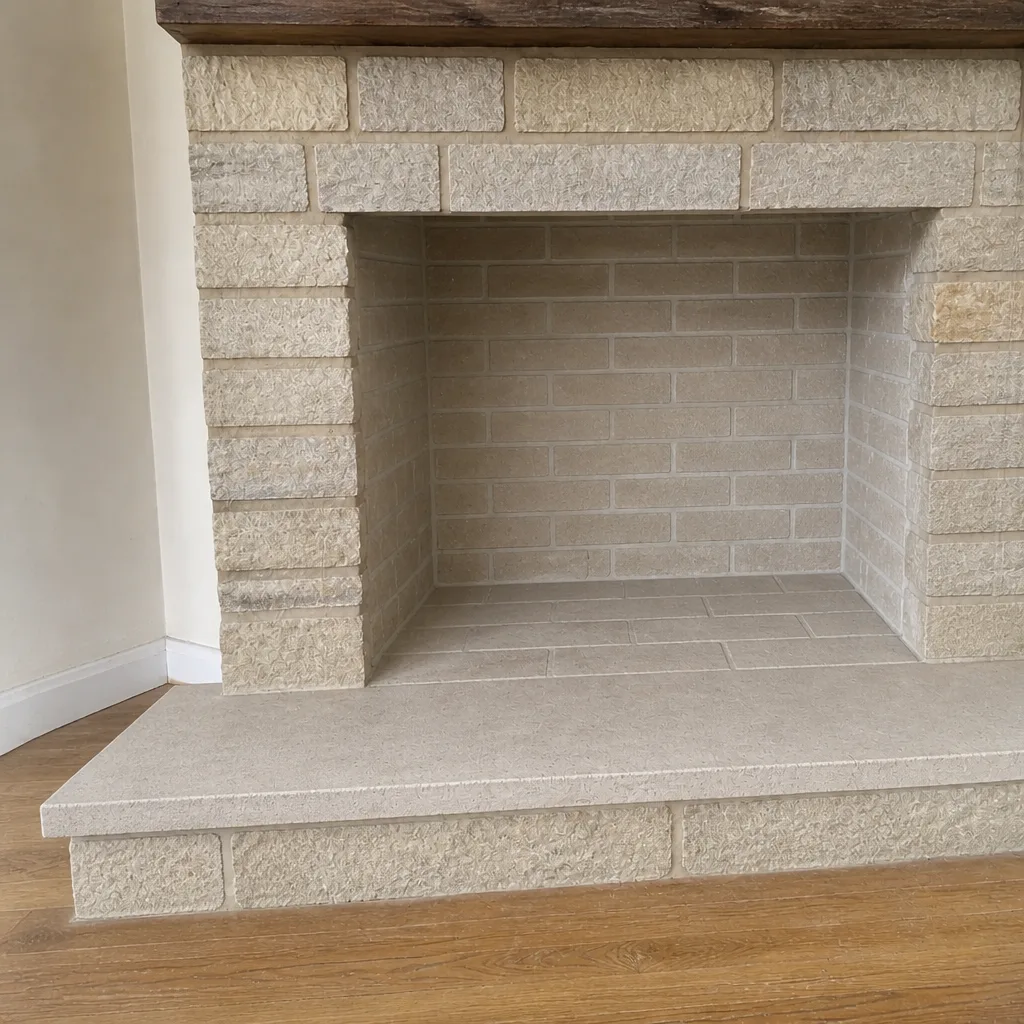 After
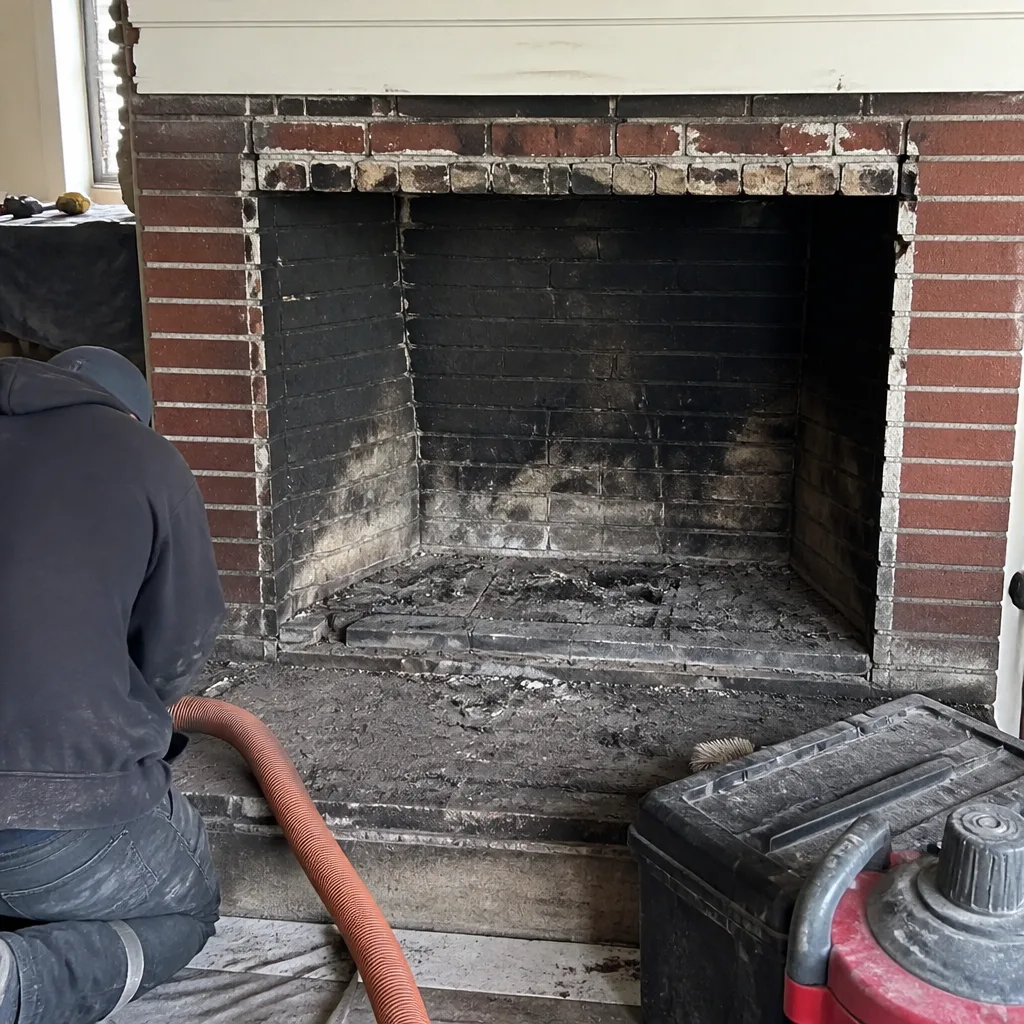 Before
 After
 Before
 After
When to Call a Professional
Some product questions are genuinely easy, and some aren’t. Call a chimney professional when any of these apply: you’re buying a home in Port Richmond and the inspection report flags the flue; a contractor has proposed a liner or resurfacing product and you can’t tell what grade or method is being used; your cap is rusted, loose, or missing and you’re not sure what material belongs there; your crown shows cracks and you don’t know whether it needs sealing or rebuilding; or it’s been a while and you want a camera look before the heating season. Those are the moments where a specialist’s product knowledge saves you from a wrong-grade decision you’d only discover years later. Port Richmond Chimney Sweep offers free estimates in Port Richmond. Call (855) 789-9672 to book one.
Frequently Asked Questions
There isn’t one brand that’s “best” for every chimney. The right choice depends on your fuel type, flue condition, and the specific component being replaced. Professional-grade brands like DuraFlex and Olympia Chimney for liners, HeatShield for resurfacing, and Gelco, Famco, and Copperfield for caps all serve specific applications, and the correct pick follows a camera inspection. Call (855) 789-9672 for an exact recommendation based on your system.
316Ti is the better choice for wood-burning applications because it resists the corrosive condensates that form in a wood flue far better than 304. The installation price gap is modest compared to the cost of replacing a corroded 304 liner a few years later. For gas applications, the material discussion is different. Call (855) 789-9672 to find out which grade fits your flue.
You don’t need copper, but it’s a durable, long-lasting upgrade, and on older ornamental chimneys it can suit the home’s appearance. The catch is flashing: a copper cap requires compatible flashing materials at the joint, or galvanic corrosion can cause the flashing to fail before the cap does. Call (855) 789-9672 for a free estimate on a cap matched to your chimney.
No. Chemical removers can soften light to moderate creosote between sweeps, but they cannot clear heavy or glazed creosote. Mechanical brushing by a trained technician is the only reliable way to clear a fouled flue, and glazed buildup is a fire hazard that needs a professional look. Call (855) 789-9672 to schedule a sweep and inspection.
Ask for the manufacturer’s specification sheet and read the fuel compatibility, temperature rating, and installation requirements yourself. These documents list exactly what a product is and isn’t approved for, and any technician can provide one. If a contractor can’t produce the spec sheet, that’s a sign to get a second opinion. Call (855) 789-9672 and we’ll walk you through what applies to your system.
It depends on the crown’s condition. A surface sealer bridges hairline cracks and rough, porous texture. A penetrating waterproofer suits sound masonry that just needs water resistance while still letting vapor escape. Sealing a cracked or wet crown the wrong way can trap moisture. Call (855) 789-9672 for a free inspection that tells you which applies.
The Bottom Line
Product knowledge is the homeowner’s best defense against a recommendation that’s convenient for the contractor and wrong for the chimney. A 316Ti liner rather than 304, a cap material compatible with your flashing, a sealant matched to your crown’s condition, and chemical creosote treatment used as a supplement rather than a substitute: those are the four decisions that determine whether your chimney system lasts. You don’t have to become an expert, but you can ask for the spec sheet and expect a real answer. A specialist will give you both. Port Richmond Chimney Sweep works with professional-grade brands because the materials matter, and we’ll show you the evidence before you agree to anything.
Call (855) 789-9672 for a free estimate. We answer 24/7. Fast dispatch from 7am to 7pm, Sunday through Friday, and we’re closed Saturday. If you’d like to start with the basics, a routine fireplace repair inspection often turns up the product questions above before they become expensive.
Written by the team at Port Richmond Chimney Sweep.