
Last updated November 23, 2026
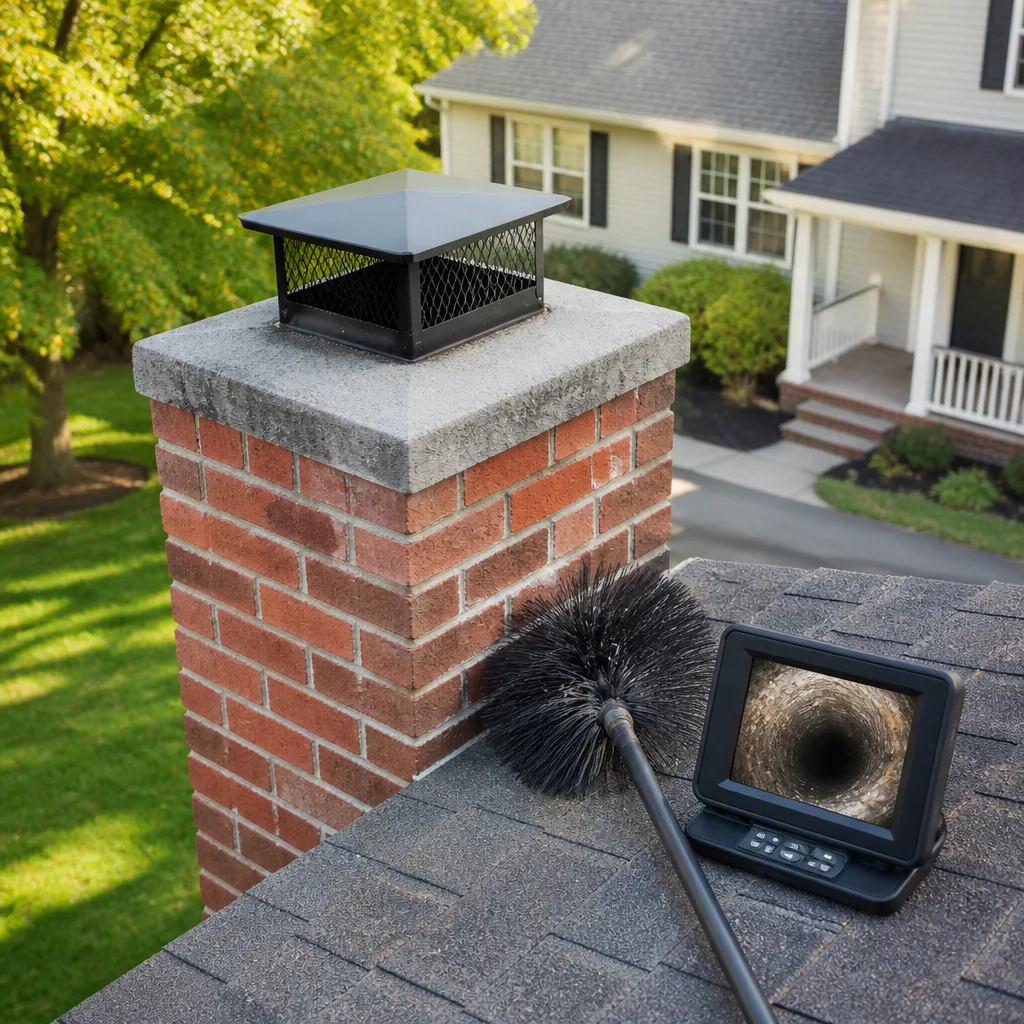 Sweep & inspection
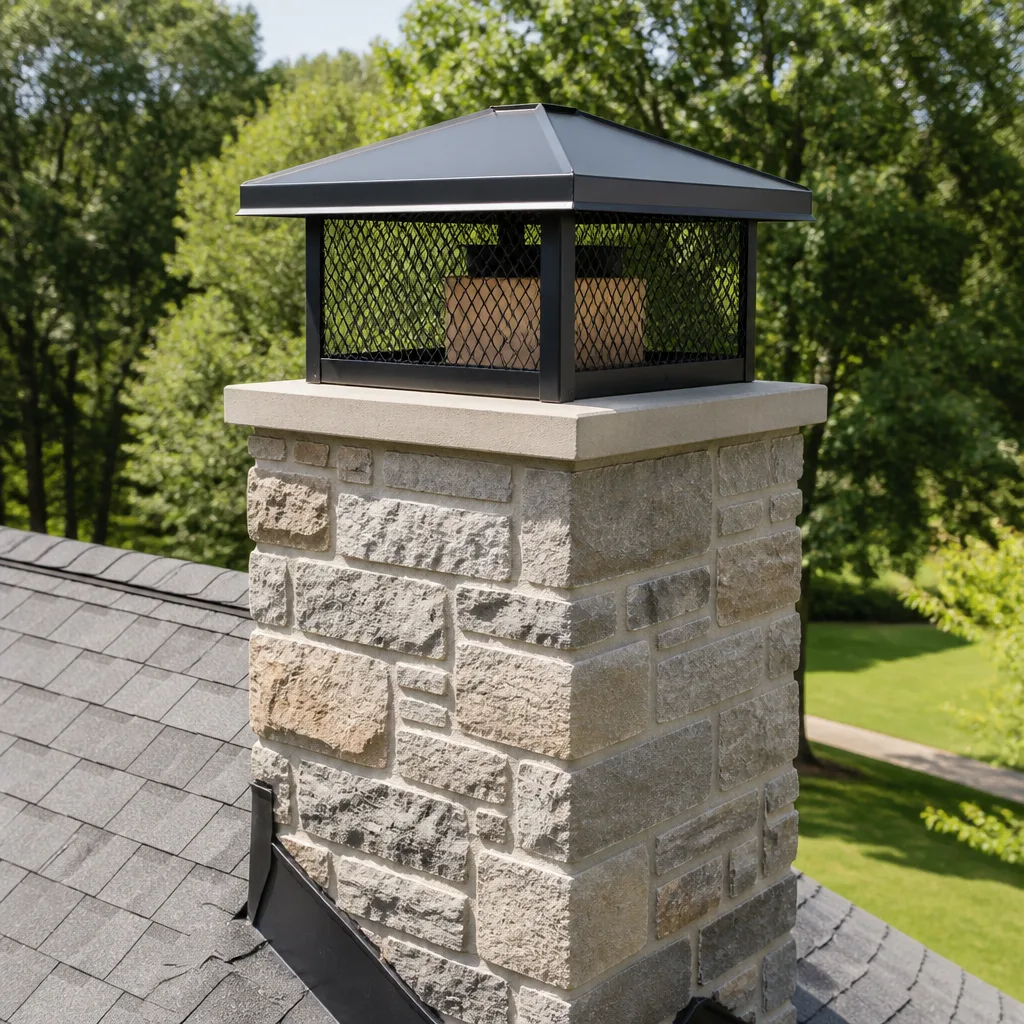 Caps & crowns
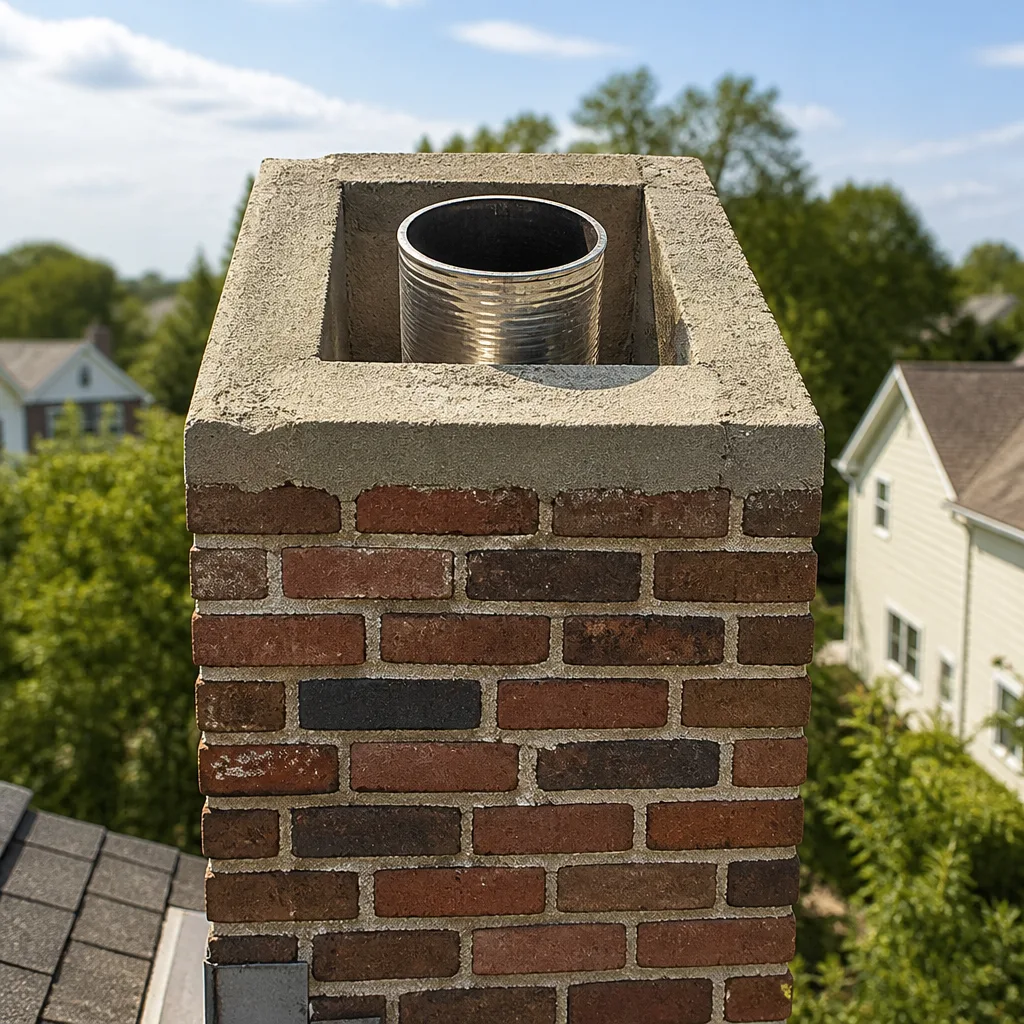 Flue relining
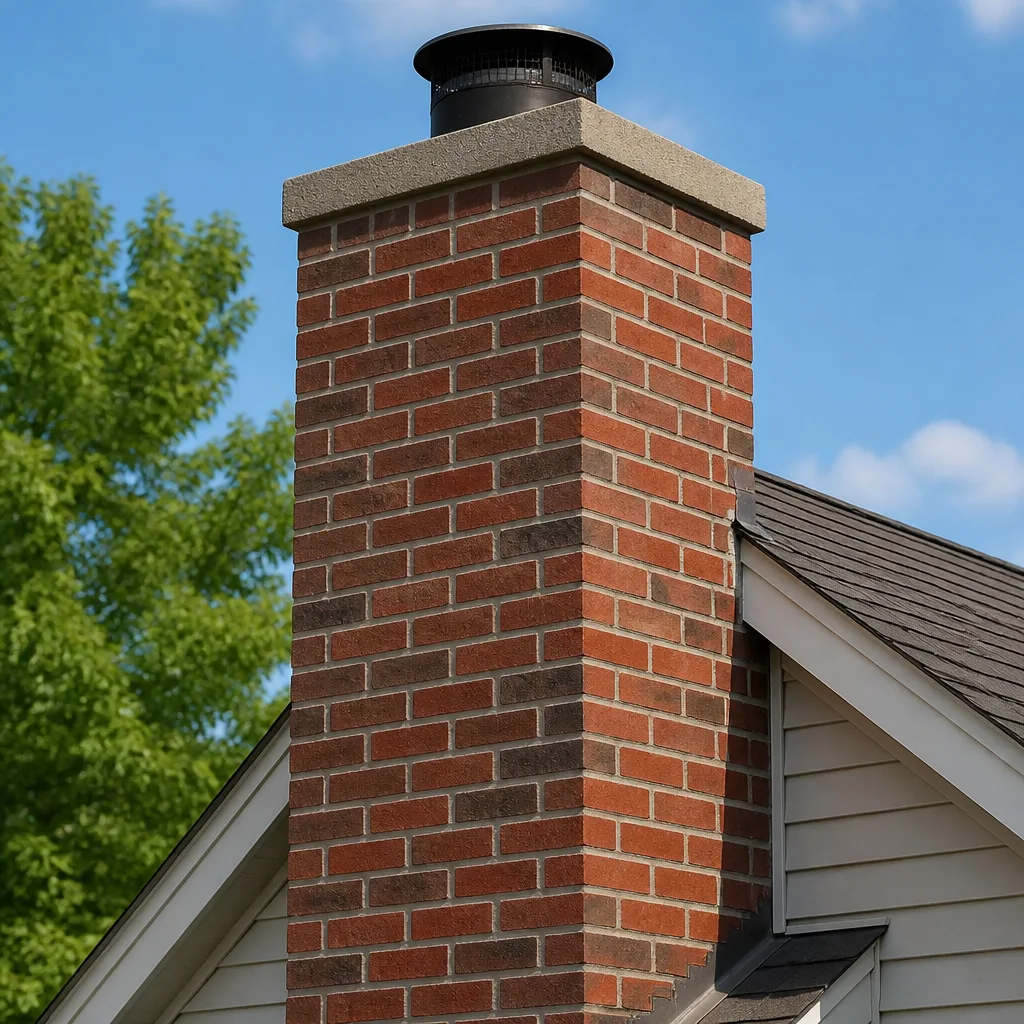 Masonry repair
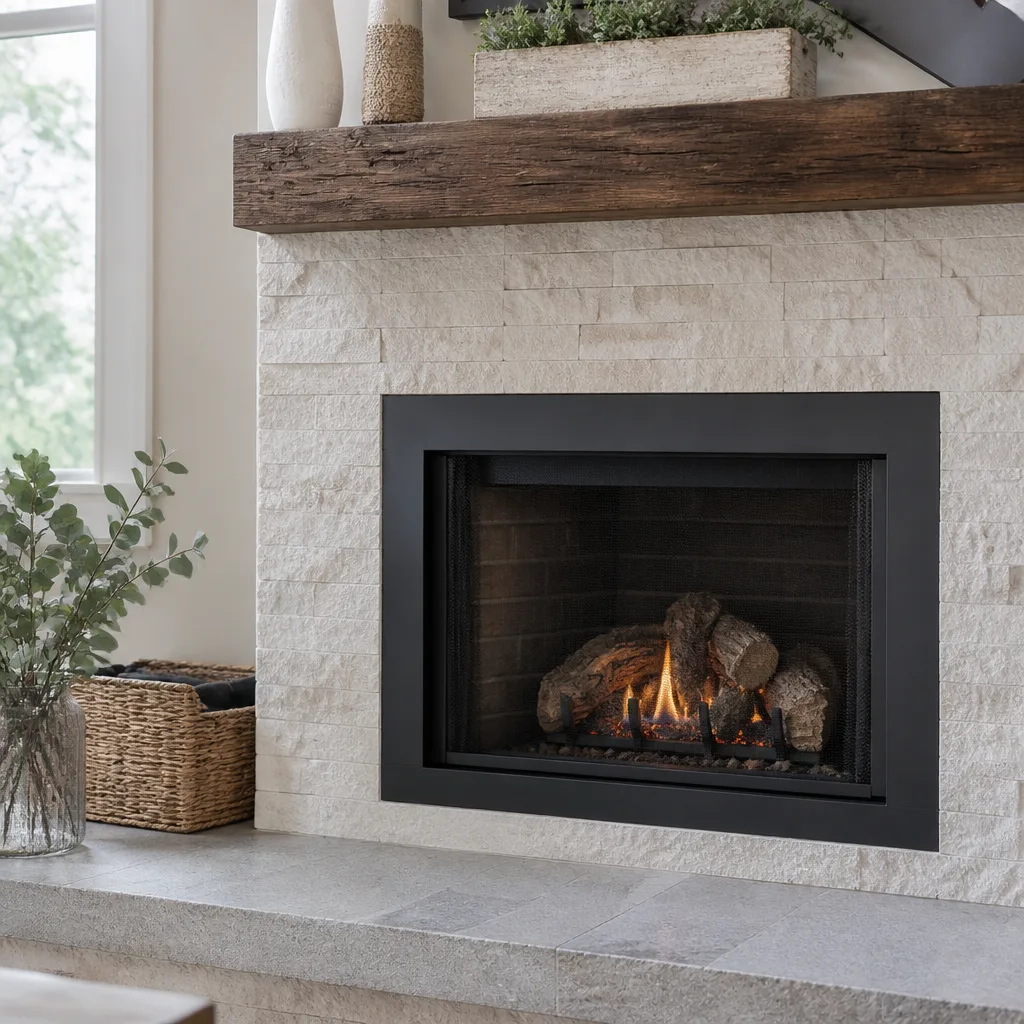 Gas fireplace service
Level 1 sweep and inspection to the NFPA 211 annual standard - flue, crown, cap, and flashing checked and photographed
Chimney sweep logs do not sweep chimneys. They loosen some creosote - which then falls where a brush and vacuum still have to collect it.
Chimney Sweep Maintenance Checklist for Port Richmond Homeowners
Most chimney checklists tell you to sweep once a year and call it done. That advice misses the part that actually matters in Port Richmond, where rowhouse chimneys share walls, hard freezes split mortar, and humid summers soften crowns before the first cold snap arrives. The single most skipped item on most lists, checking the smoke chamber for corbeling cracks, is also the one most responsible for carbon monoxide drifting between floors in a multi-story Port Richmond rowhouse. What follows is a month-by-month checklist built for how chimneys here actually wear, from the ground-level visual checks you can do yourself to the liner inspection that needs a professional on the roof. By the end you’ll know what to look at, when to look, and how to log it so nobody can sell you damage you don’t have.
Quick Answer
A chimney maintenance checklist for a Port Richmond home should cover four things: a professional sweep and inspection once a year before heating season, ground-level visual checks of the cap, crown, and flashing after each freeze-thaw cycle, a flashlight look up the flue for cracked terracotta, and a dated photo log so you can track changes year over year. Because Port Richmond rowhouses share party walls and sit close together, deposit buildup and smoke-chamber cracks matter more here than in detached homes. A specialist should handle anything above ground level. Everything else on this checklist you can do safely from the ground.
Styles & brands we work with
- Sweep & inspection
- Caps & crowns
- Flue relining
- Masonry repair
- Gas fireplace service
Table of Contents
- The Annual Baseline: What Happens Once a Year
- Month-by-Month Checklist for Port Richmond’s Climate
- What You Can Safely Check From Ground Level
- The Flue Liner Check: Cracked Terracotta and Carbon Monoxide
- Cap, Crown, and Flashing: The Three That Fail First
- How to Document Your Chimney Year Over Year
- The Smoke Chamber: The Item Everyone Skips
- Gas Fireplace Maintenance: Different Checklist, Same Discipline
The Annual Baseline: What Happens Once a Year
Everything on this checklist builds on one annual event: a professional sweep and inspection before heating season. In Port Richmond, that means booking in late summer or early fall, before the first cold week, when everyone suddenly remembers their fireplace. A chimney specialist, not a generalist, should do this work. A sweep clears soot and creosote from the flue. An inspection follows the flue from the firebox up through the smoke chamber and out the top, checking the liner, damper, and exterior components. If you want that baseline booking done properly, a chimney sweep handles the cleaning and inspection in one visit.
Here’s how the annual visit should go, in order:
- Firebox and damper check. The technician looks for cracked firebrick, a warped damper, and soot patterns that suggest poor draft.
- Flue sweep. A brush clears deposits from the full run of the flue. The amount and type of creosote tells the story of how you’ve been burning.
- Smoke chamber inspection. This is the corbeled section above the damper, and it’s where cracks hide.
- Liner check. A camera or direct look confirms the terracotta or metal liner is intact.
- Exterior inspection. Cap, crown, flashing, and the top few courses of masonry get checked from the roof.
Ask for a written report and photos before anyone leaves. A sweep that can’t show you what it found hasn’t given you a baseline, it’s given you a promise. In our experience, the homeowners who stay calm through a repair conversation are the ones holding a documented condition report from a year earlier.
Month-by-Month Checklist for Port Richmond’s Climate
Port Richmond’s weather works on a chimney in a specific pattern: humid summers soften mortar and crowns, hard freezes split them, and spring rain finds every crack that opened over winter. A generic national checklist doesn’t account for that rhythm. This one does.
Late Summer (August-September)
- Book your annual sweep and inspection before the fall rush.
- Clear the firebox and remove leftover ash from last season.
- Look at the firebox walls for cracking or crumbling mortar.
Early Fall (October)
- Test the damper through its full range. It should open and close cleanly without sticking.
- Schedule a level-two inspection if you bought the home this year or changed your heating setup.
- Confirm the cap is firmly seated. Wind loosens caps on exposed rowhouse tops.
Heating Season (November-February)
- Watch for draft problems: smoke spilling into the room, a lazy fire, or soot on the mantel suggest a restriction.
- Burn seasoned wood. Wet wood builds creosote faster, and in a shared-wall rowhouse that’s a real risk.
- After each hard freeze, do a ground-level check of the crown and flashing for new cracks.
Late Winter (March)
- Inspect the crown from the ground for spalling or separated mortar.
- Check the flashing line at the roofline for gaps or lifted edges.
Spring (April-May)
- After heavy rain, look for water stains on the ceiling near the chimney or damp patches in the firebox.
- Confirm the cap screen is intact so birds and squirrels haven’t moved in.
Summer (June-July)
- Check for musty smells near the fireplace, which suggest moisture entering the flue.
- Look at the crown again in dry weather. Cracks that closed in rain reopen when the masonry dries.
None of these checks require a ladder. All of them give you something to tell a technician when the time comes.
What You Can Safely Check From Ground Level
A lot of chimney problems are visible from your own backyard if you know where to look. Everything in this section is safe to do standing on the ground with a pair of binoculars. Anything that requires climbing onto the roof is not, and no checklist is worth a fall.
Safe ground-level checks
- Crown condition. From a distance, look at the concrete top of the chimney. Cracks, crumbling edges, or plants growing out of it are warning signs.
- Cap presence and seating. Confirm there’s a cap and that it sits flat. A tilted cap lets water in and animals enter.
- Flashing line. Look where the chimney meets the roof for lifted metal or gaps.
- Masonry staining. White efflorescence or dark streaks on the exterior brick suggest moisture is moving through the chimney.
- Smoke and draft behavior. When you burn, watch whether smoke exits cleanly at the top or drifts back down.
What needs a professional on the roof
- Closing crown cracks with sealant or rebuilding a crown. Sealant applied over trapped moisture makes things worse.
- Replacing flashing at the roofline, which requires stepping the metal into the masonry.
- Inspecting the top few courses of brick for spalling.
- Checking the cap’s mesh screen from above.
- Any liner work. That’s a level-two inspection and it happens inside the flue.
When Port Richmond Chimney Sweep sends a technician up, the report should include photos of everything they flag. If something on the roof needs attention, a chimney cap & crown replacement is often the fix, and we stock Gelco and Famco caps and covers chosen for fit and durability rather than the lowest price on a shelf.
The Flue Liner Check: Cracked Terracotta and Carbon Monoxide
The flue liner is the tube that carries smoke and gases from your firebox to the outside air. In older Port Richmond rowhouses that liner is usually terracotta tile, laid in sections. Over time, the joints crack, tiles shift, and gases find a path out of the flue and into the structure of the chimney. That’s a carbon monoxide risk, and it doesn’t announce itself. You won’t smell it and you won’t see it in the room. It travels inside the walls.
How to spot a cracked liner safely
You can do a rough check from below without climbing anything:
- Open the damper and shine a strong flashlight up the flue.
- Take a photo with your phone camera pointed up toward the smoke chamber.
- Look for cracks, missing pieces, offset joints, or dark voids where tiles should meet.
- Any misalignment or visible break is a reason to book a professional inspection, not a reason to keep looking.
What this check cannot do is showing you the smoke chamber or the upper third of the flue. Those need a camera, and that’s what a professional level-two inspection provides. If the camera finds cracked terracotta or gaps at the joints, the answer is usually a liner repair or a full reline. A ceramic resurfacing product like HeatShield can restore a deteriorating flue from the inside. For a compromised flue that needs a structural solution, a DuraFlex or Olympia Chimney liner system is the answer, and both are systems a chimney specialist installs routinely. Do not try to repair a liner yourself. Any work inside the flue is a job for a trained professional because the failure mode is carbon monoxide entering your home.
Cap, Crown, and Flashing: The Three That Fail First
On a Port Richmond rowhouse, the three exterior chimney components that fail first are the cap, the crown, and the flashing. They take the brunt of freeze-thaw cycling, wind, and rain, and they fail in a predictable order. The cap goes first because it’s the most exposed. The crown follows as water finds the seam between it and the top of the flue. The flashing goes last but does the most damage, because once it lifts, water runs down into the walls.
The cap
A cap does three jobs: it keeps rain out of the flue, stops animals entering, and deflects sparks. A damaged cap doesn’t just let water in. It changes the draft, and poor draft means smoke spills into the room. If the cap is loose, rusted through, or its screen is torn, replace it. Gelco and Famco caps are the products we stock because they fit properly and hold up to the weather rather than failing in a season or two.
The crown
The crown is the concrete or masonry top that slopes away from the flue to shed water. Cracks in the crown are the most common exterior problem we see on Port Richmond chimneys, and they get worse every winter as water gets in, freezes, and expands. A small crown crack is a rebuild job. A crown that’s ignored becomes a masonry job. That’s why ground-level crown checks make the checklist every month.
The flashing
Flashing is the metal that seals the gap between the chimney and the roof. On rowhouses, that seam is often short and difficult to reach, and it’s the first place water gets into ceilings. Look for lifted edges, rusted metal, or missing sections where the flashing meets the masonry. Any of these needs a professional on the roof.
Check all three after every hard freeze. Log what you see. If the crown or cap is changing between checks, that’s your signal to book a repair conversation rather than wait for an interior leak.
How to Document Your Chimney Year Over Year
Here’s a scenario every chimney specialist runs into: a homeowner gets told they need thousands of dollars of work and has no way to verify whether the damage is real or new. The defense is a photo log. If you photograph the same parts of your chimney every year, at the same time, from the same angles, you have a baseline. Any contractor claiming new damage has to explain it against your record. That protects your wallet and it makes a legitimate repair conversation easier.
What to photograph, and when
- The crown. Take the shot from ground level with a zoom or binoculars if needed. Note the date.
- The cap. A clear shot of the cap from the same distance each time.
- The flashing line. Photograph where the chimney meets the roof, from the ground or a window.
- The firebox interior. Straight-on shot of the firebox and damper.
- The flue. Your flashlight-up-the-chimney phone photo. Not perfect, but it catches the obvious.
- Any technician report. Keep the written inspection and any photos the specialist takes in the same folder.
Name the files with the date and save them somewhere you’ll find them next year. It’s a small habit that keeps your chimney honest through every contractor conversation, and it takes about ten minutes once a year.
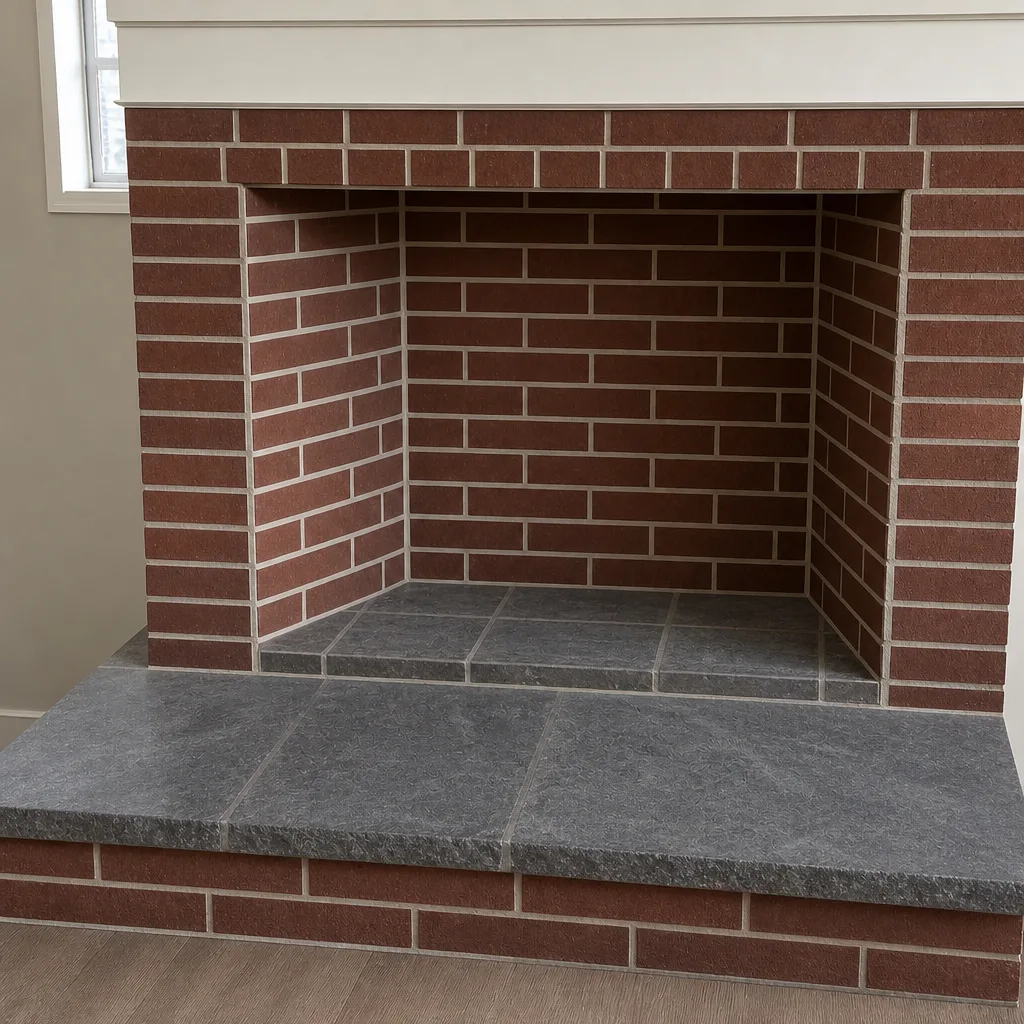
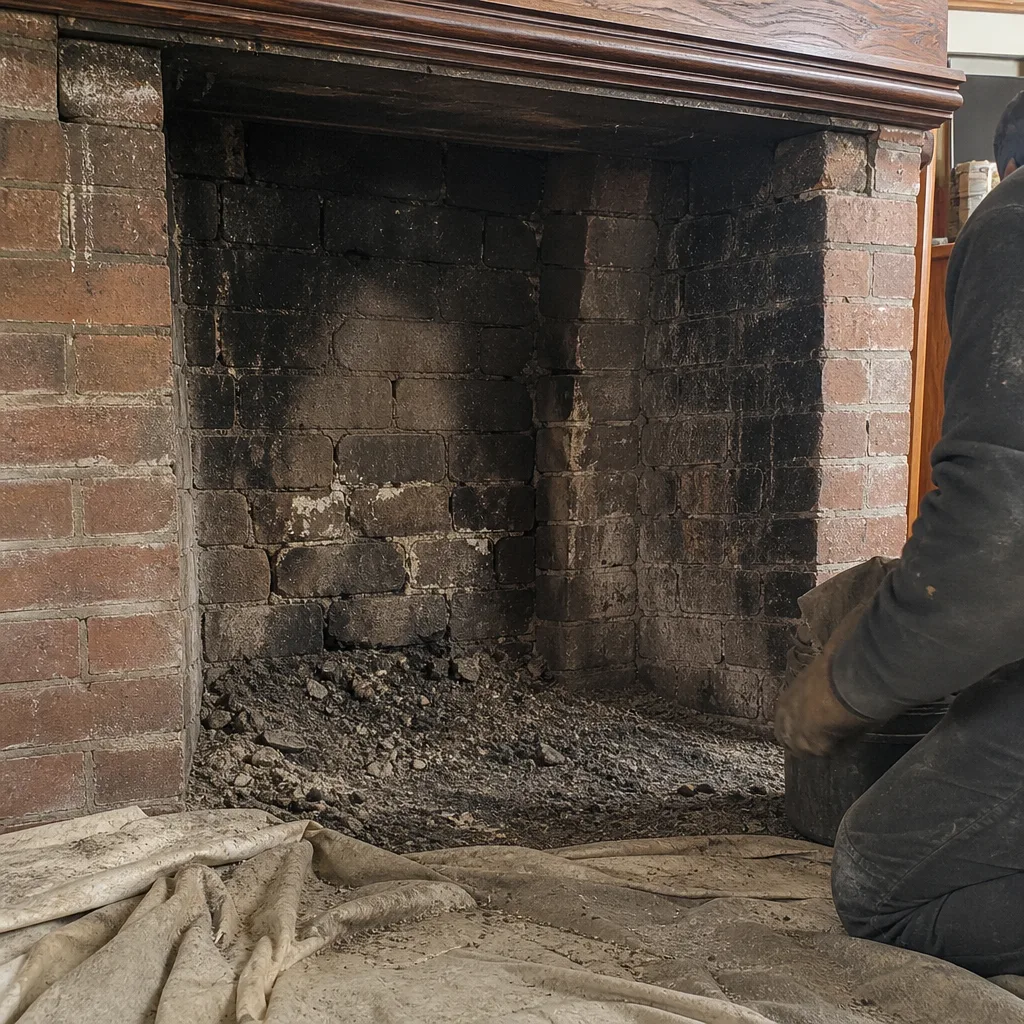
See the difference
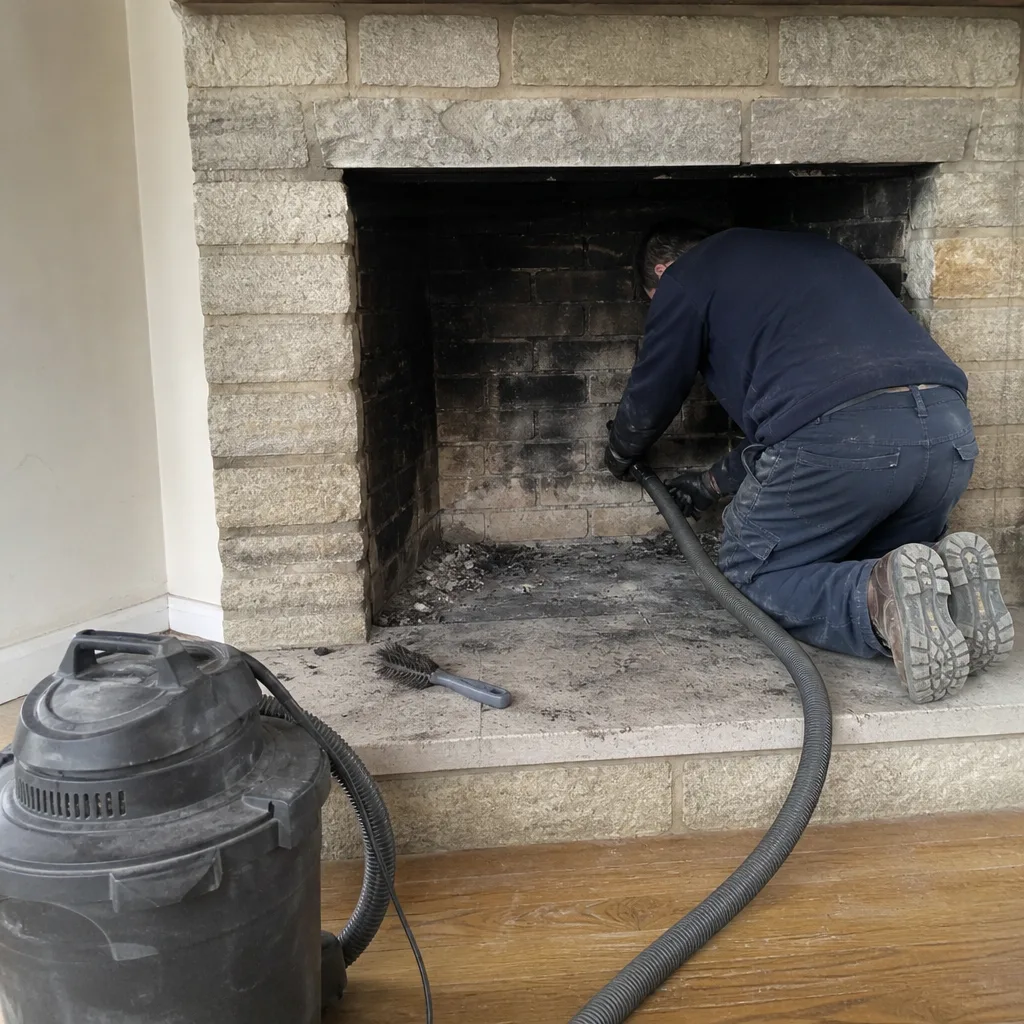 Before
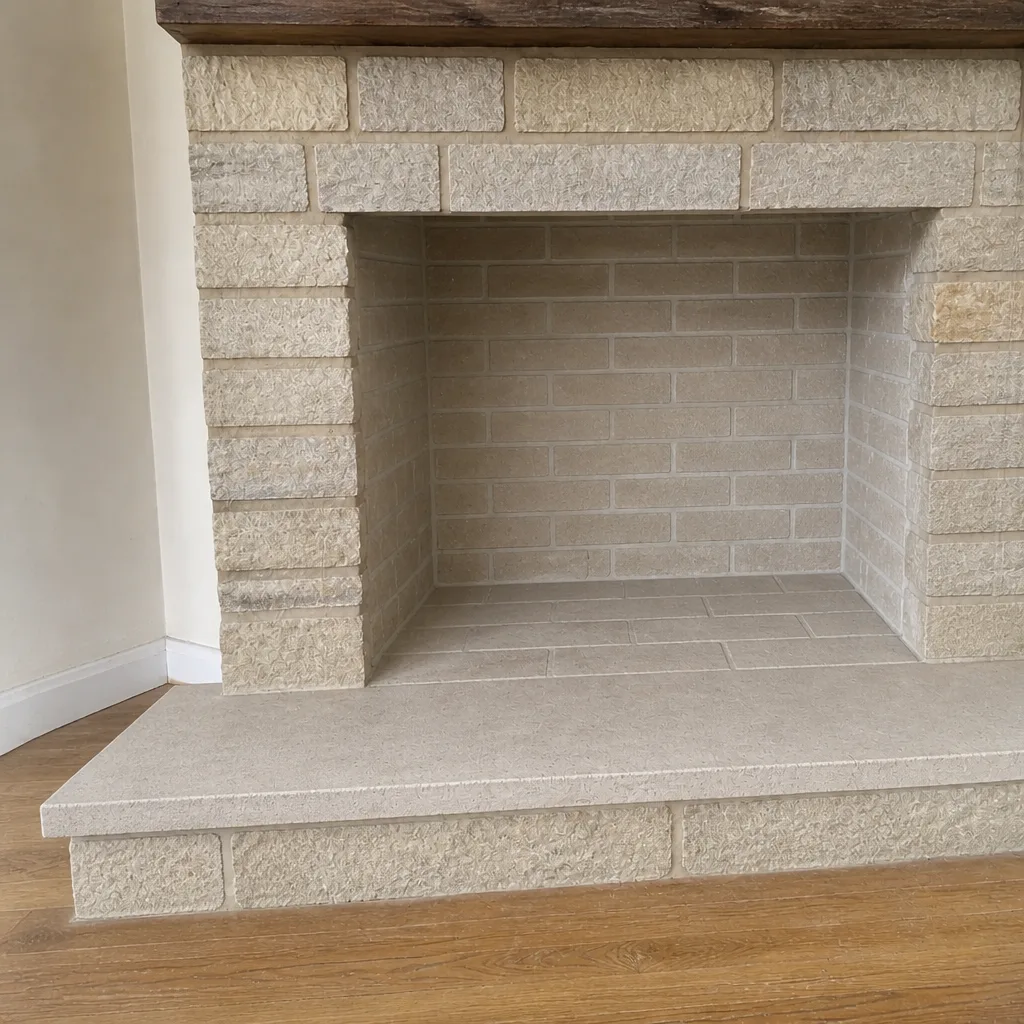 After
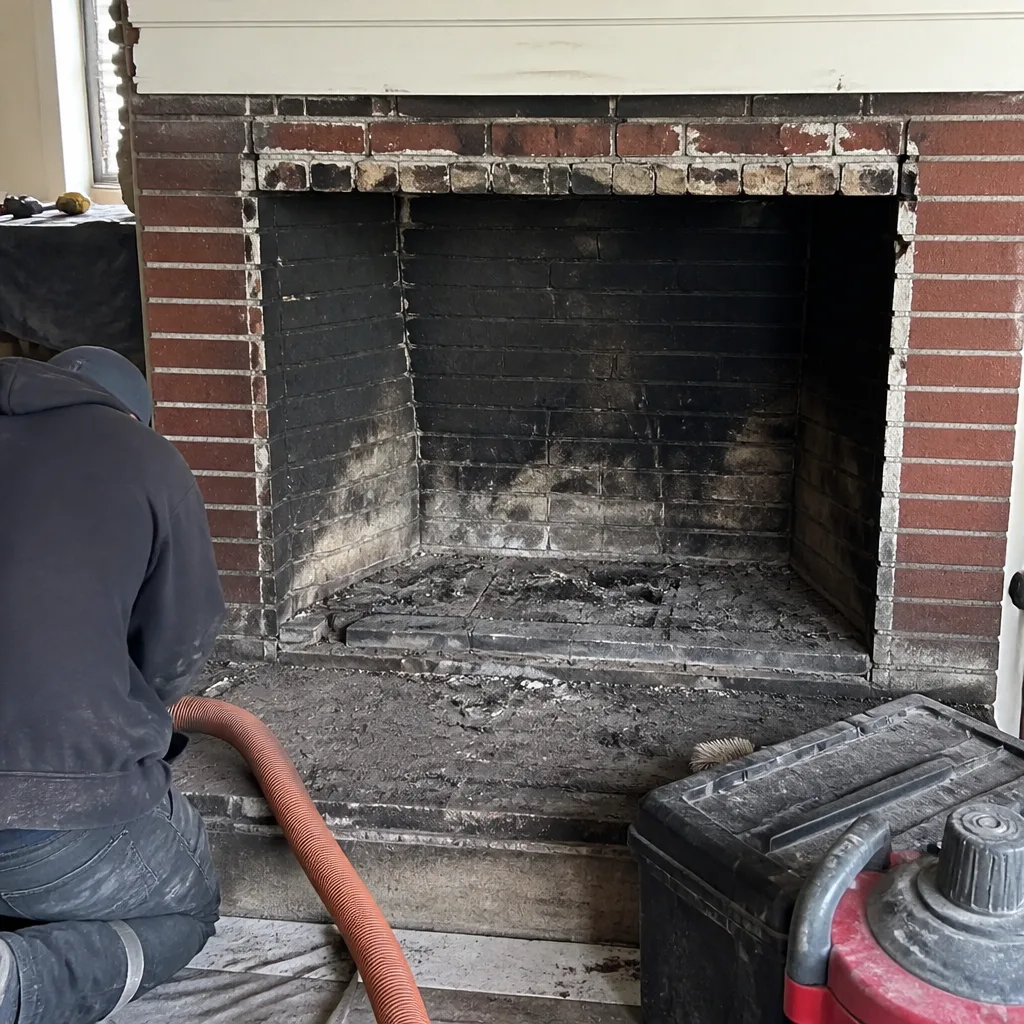 Before
 After
 Before
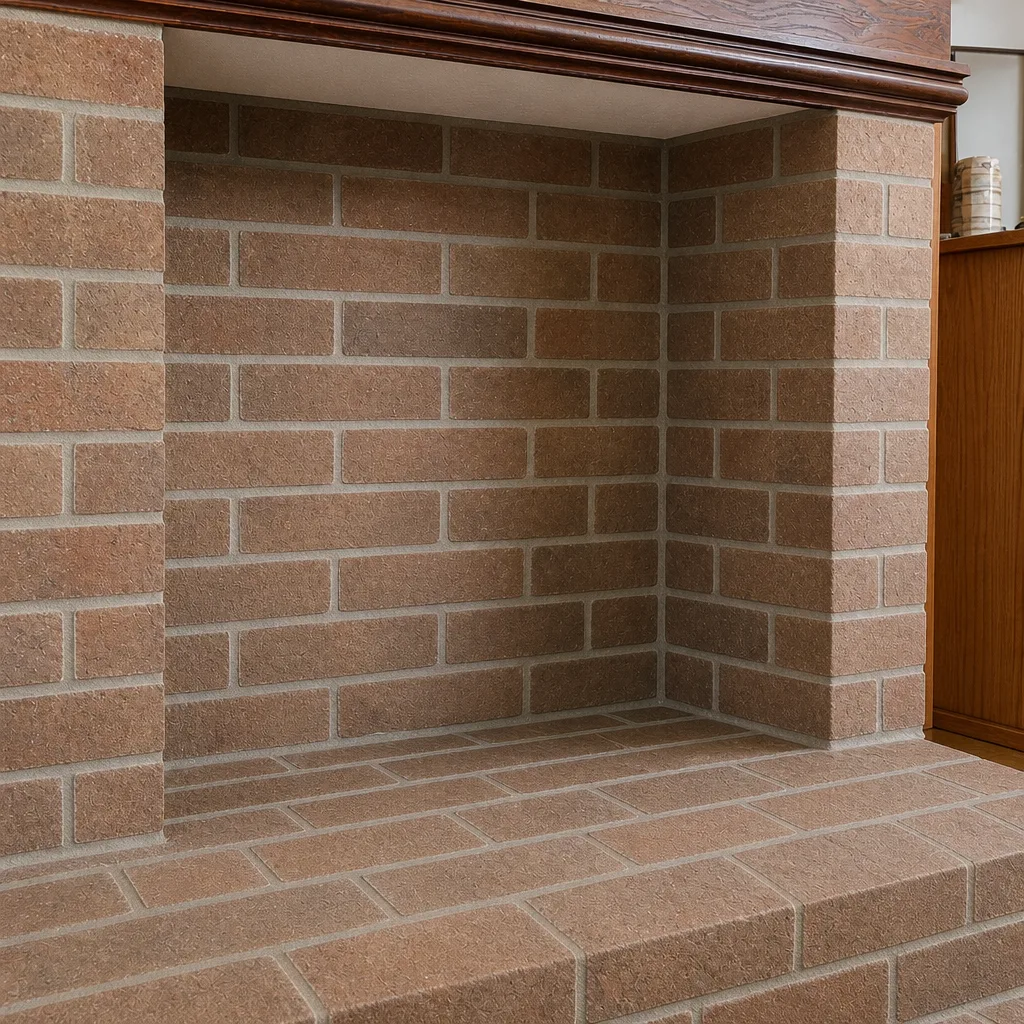 After
The Smoke Chamber: The Item Everyone Skips
The smoke chamber is the tapered section between the firebox and the flue. Its walls are corbeled, meaning they step inward in courses. The narrowing shape is what sends smoke up the flue instead of into the room. In multi-story Port Richmond rowhouses, cracks in the corbeled walls of the smoke chamber are a common path for carbon monoxide to migrate between floors, because the chamber shares structure with the walls of the home above.
You can’t inspect this from the ground and you can’t inspect it effectively from the firebox. It needs a technician on the roof or a camera run from above. That means it only gets checked if it’s specifically part of your inspection, and on many generic checklists it isn’t. It should be on yours.
What a smoke chamber check involves
- A camera run from the top of the flue to look at the corbeled walls.
- A look for cracked or offset masonry joints that could let gases through.
- Confirmation the chamber is smooth enough to move smoke efficiently and not catch deposits.
- If cracks are found, a discussion of sealing or resurfacing the chamber walls.
HeatShield ceramic resurfacing is often the answer here because it applies to cracked or deteriorated surfaces from the inside. That’s a specialized repair a general contractor can’t take on, and it’s a reason to have the smoke chamber on your annual inspection notes. When the inspection is done, ask directly whether the smoke chamber was checked. The answer should be yes.
Gas Fireplace Maintenance: Different Checklist, Same Discipline
If you have a gas fireplace, some items on this checklist don’t apply. Gas doesn’t build creosote the way wood does, so a gas fireplace doesn’t need an annual sweep in the same sense. But gas units still need annual inspection, and the risks are just as serious: carbon monoxide from a blocked or disconnected vent, a corroded vent terminating in the wrong place, or a blocked flue that sends exhaust into the room.
What gas fireplace maintenance covers every year
- A professional inspection of the vent and flue for blockage and corrosion.
- A check of the glass, logs, and burner assembly for cracks or misplacement.
- Confirmation carbon monoxide detectors in the home are working.
- Any fireplace repair the inspection turns up, handled in the same visit where possible.
For gas, the annual visit is about inspection rather than cleaning. Many gas units still pull in an inspection once a year for the same reasons wood-burning chimneys do: the failure modes involve carbon monoxide, which you can’t see or smell. Have the professional check the venting and the smoke chamber, and confirm the unit is drafting safely. If you aren’t sure what type of fireplace you have, ask. We work on chimneys and fireplaces, and determining what’s there is part of the job.
Common Mistakes to Avoid
- Skipping the smoke chamber because it’s not on the checklist. It’s the most-skipped item and the most common path for carbon monoxide to migrate between floors in a Port Richmond rowhouse. Ask whether it was checked on every inspection.
- Letting a general contractor handle chimney work. A roofer or handyman may close a crown crack or replace a cap, but liner and smoke chamber work needs a chimney specialist who works on these systems every day.
- Climbing on the roof to check the cap or crown yourself. Port Richmond rowhouse roofs are steep and shared flashing is often hard to reach. Ground-level checks give you plenty to work with; leave the roof to a technician.
- Sealing over a crown crack without fixing the cause. Sealant over trapped moisture fails fast and can make the masonry worse. A cracked crown needs a rebuild, not a patch.
- Booking an inspection for the first cold week. That’s when everyone in Port Richmond thinks about their chimney and the calendar fills up. Book in late summer or early fall before the rush.
- Not logging anything. If you can’t show a contractor what your chimney looked like a year ago, you can’t challenge a claim of new damage. Take photos, keep the inspection report, and save both.
- Burning wet wood to save money. Unseasoned wood builds creosote faster, which raises chimney fire risk, and that’s a bigger cost than the wood saves.
When to Call a Professional
Call a professional if you see any of the following: cracked terracotta visible up the flue, a crown with cracks or crumbling, a cap that’s loose, rusted, or missing, water stains near the chimney or in the firebox, or smoke spilling into the room when you burn. Call immediately if you smell gas or your carbon monoxide detector goes off. And call for the annual sweep and level-two inspection, because much of the damage we find in Port Richmond chimneys isn’t visible from below. Port Richmond Chimney Sweep offers free estimates in Port Richmond, and the written estimate sets the final price. Some work can safely wait until spring; a professional should tell you plainly which items can. Call (855) 789-9672. We answer 24/7. Fast dispatch from 7am to 7pm, Sunday through Friday.
Frequently Asked Questions
A chimney sweep in Port Richmond is priced per job by a free written estimate, and the estimate sets the final price. The cost depends on the number of flues, how much creosote has built up, and whether the inspection turns up repair items. Call (855) 789-9672 for an exact quote; estimates are free.
Once a year, usually before heating season, is the standard for a wood-burning fireplace in active use. If you burn heavily, use unseasoned wood, or have a rowhouse flue with a shared stack, the inspection may call for a sweep more often. Book in late summer to beat the fall rush.
Only if the inspection finds cracks or gaps that carbon monoxide could pass through, and only if the camera evidence shows it. If the liner is intact, you don’t need one. Ask to see the camera footage and photos before any liner repair is recommended. Call (855) 789-9672 to book an inspection that includes camera evidence in the report.
Creosote builds up in the flue, which raises chimney fire risk, and small crown and cap failures go unnoticed until water gets in. The danger is that neither of those announces itself. A skipped year doesn’t mean immediate damage; it means you lose the baseline that would let you catch a problem early. Call (855) 789-9672 to get back on a schedule; estimates are free.
No. A gas fireplace doesn’t need an annual sweep because there’s no creosote to clear, but it does need an annual inspection of the vent and flue for blockage and corrosion. Carbon monoxide from a blocked vent is the main risk, and that check belongs on a yearly visit.
You can check the cap, crown, and flashing from the ground, and you can take a flashlight photo up the flue. Anything on the roof or inside the flue needs a trained professional. The smoke chamber and the upper flue can only be seen with a camera. Call (855) 789-9672 to book that inspection; estimates are free.
The Bottom Line
A Port Richmond chimney lasts longer when you treat maintenance as a year-round system rather than one annual sweep. The checklist that protects your home has four parts: the annual sweep and inspection before heating season, monthly ground-level checks of the cap, crown, and flashing, a flashlight look up the flue for cracked terracotta, and a dated photo log so no contractor can claim new damage you can’t verify. The most-skipped item, the smoke chamber, is also the most important one in a multi-story rowhouse, so put it explicitly on your inspection list. When work does need doing, the written estimate sets the price. Estimates are free at Port Richmond Chimney Sweep.
When you’re ready to book the annual sweep or want a specialist to look at what your checklist turned up, call (855) 789-9672 for a free estimate. We work on chimneys and fireplaces, using industry-standard materials from brands including DuraFlex, HeatShield, Gelco, Olympia Chimney, Famco, and Copperfield, so one call covers inspection, cleaning, and repair without a second contractor. The estimate is written, the price is set per job, and nothing is recommended without camera evidence you can see for yourself.
Written by the team at Port Richmond Chimney Sweep.