
Last updated November 23, 2026
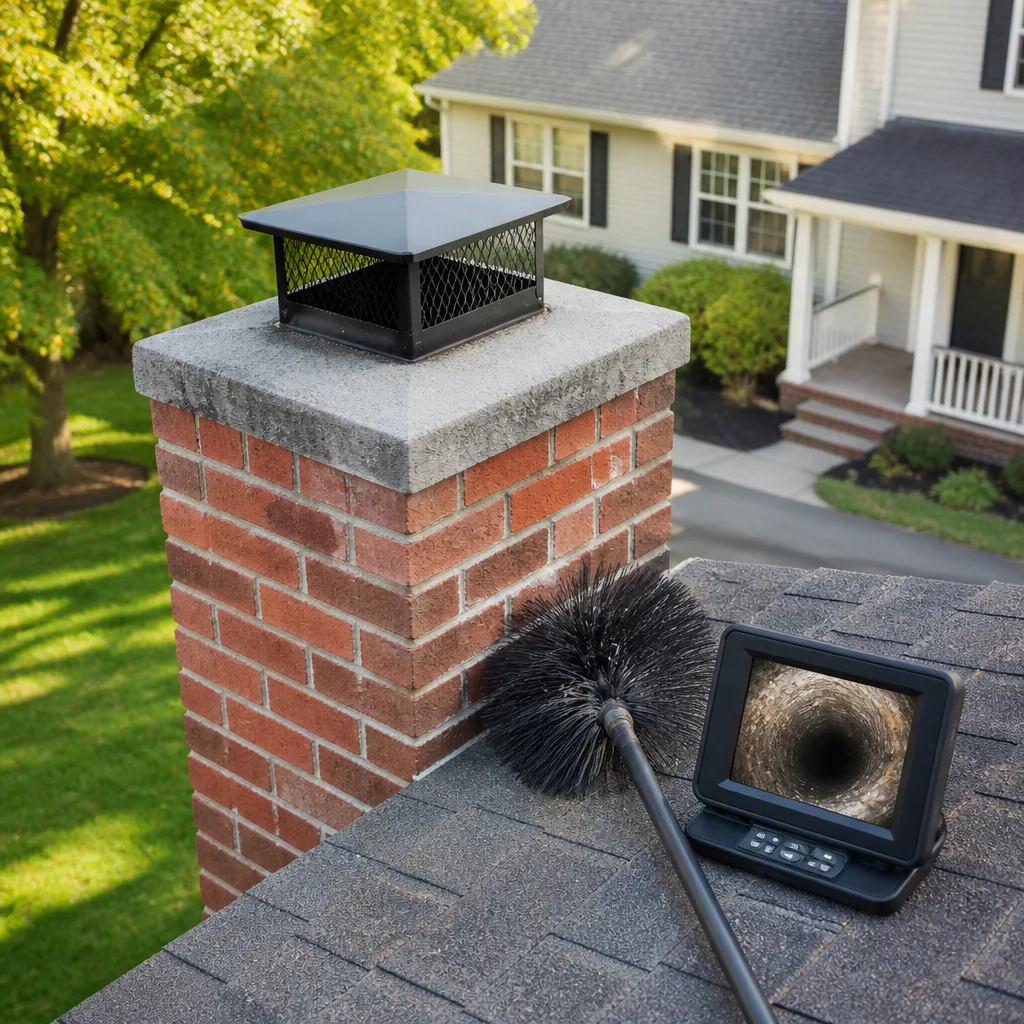 Sweep & inspection
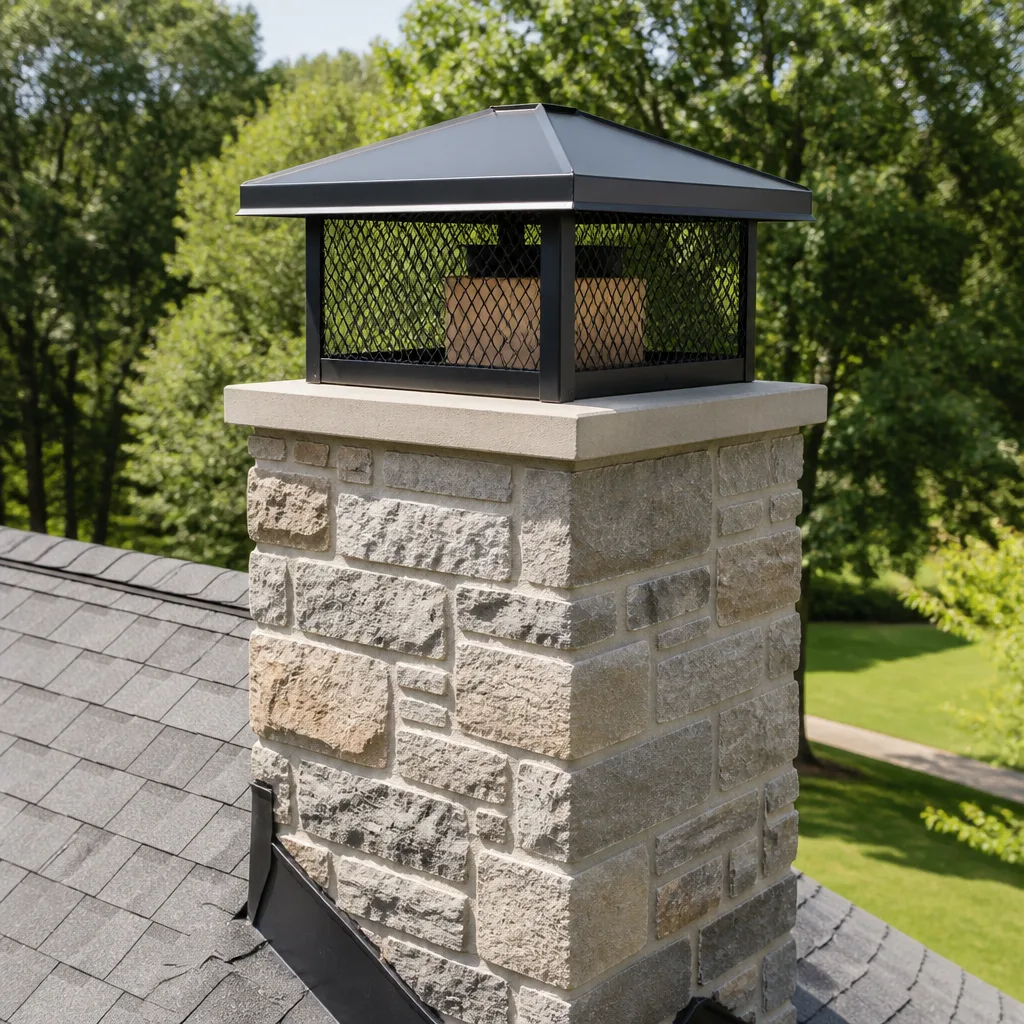 Caps & crowns
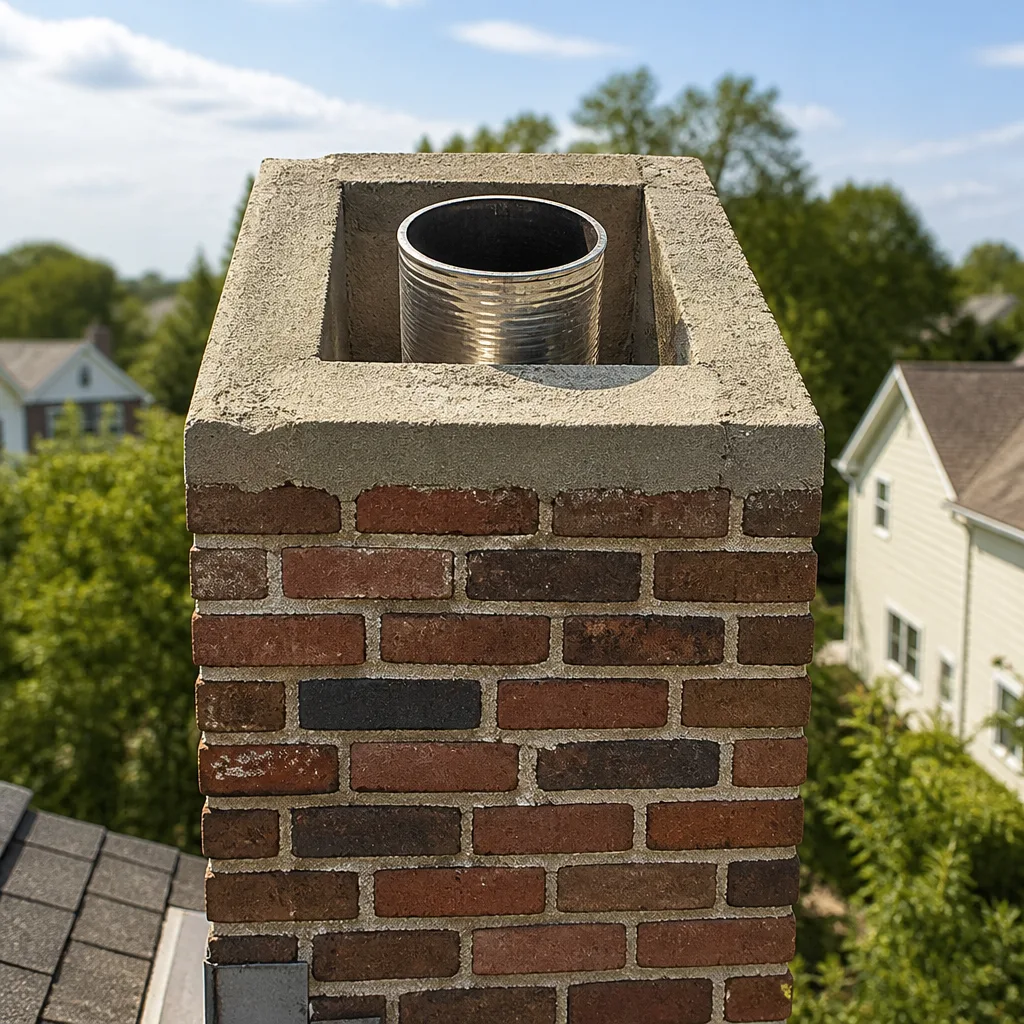 Flue relining
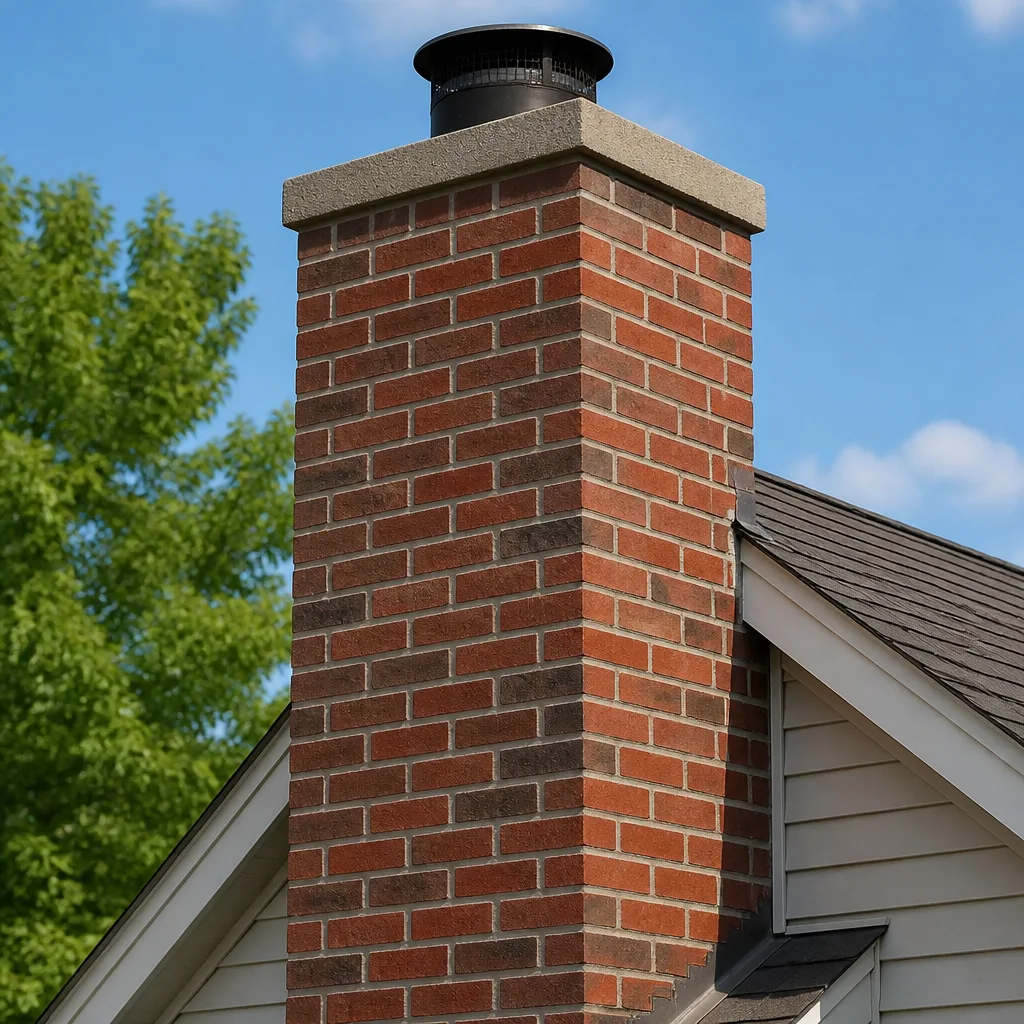 Masonry repair
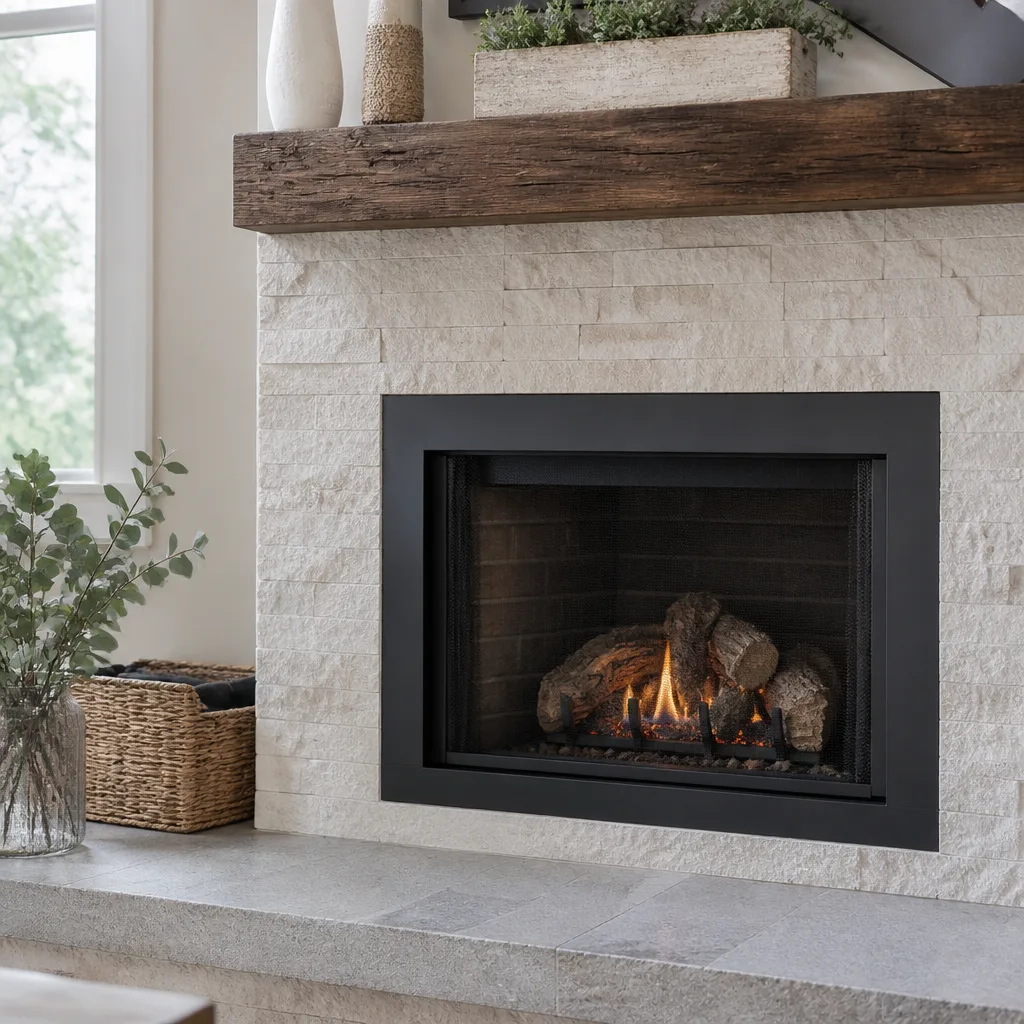 Gas fireplace service
Level 1 sweep and inspection to the NFPA 211 annual standard - flue, crown, cap, and flashing checked and photographed
Chimney sweep logs do not sweep chimneys. They loosen some creosote - which then falls where a brush and vacuum still have to collect it.
Chimney Cleaning Emergency Preparedness Guide for Port Richmond Homes
During a chimney fire, the instinct to douse the flames with water is wrong. Thermal shock to a hot flue tile can shatter it and open a direct path for fire into your wall framing within minutes. Water belongs nowhere near a fire in the flue. What actually works takes about 30 seconds to learn and costs nothing, and it’s the kind of thing you want to know before you’re standing in front of a hot fireplace making decisions under stress. This guide is a pre-incident reference for Port Richmond homeowners: the three emergency scenarios that demand different responses, how to recognize each one, and what to have ready so you’re not figuring it out mid-crisis.
Quick Answer
Emergency chimney preparedness in Port Richmond means knowing how to tell a chimney fire from a CO alarm from a smoke backdraft, and having a rehearsed response for each before the heating season starts. For a chimney fire the sequence is close the damper, get everyone outside, call 911 – never water, never open windows. For a carbon monoxide alarm the move is to evacuate and call 911, then call your chimney specialist for a Level 2 inspection. For backdraft the fix is diagnostic, not panicked: stop burning, ventilate carefully, and book an inspection.
Styles & brands we work with
- Sweep & inspection
- Caps & crowns
- Flue relining
- Masonry repair
- Gas fireplace service
Table of Contents
- The Three Emergency Scenarios That Need Different Responses
- How to Recognize an Active Chimney Fire Before FDNY Arrives
- The Correct Chimney Fire Response Sequence
- Carbon Monoxide vs. Smoke: Different Alarms, Different Jobs
- After FDNY Clears the Scene: The Level 2 Inspection
- The Pre-Season Emergency Prep Checklist
- Renters, Landlords, and Rowhouse Reality in Port Richmond
- Smoke Backdraft: What It Means and What to Do
The Three Emergency Scenarios That Need Different Responses
Most chimney emergencies get lumped together in people’s minds as “something’s wrong with the fireplace.” That’s the problem. A chimney fire, a carbon monoxide event, and a smoke backdraft each need a completely different first move, and the wrong move can make any of them worse. In our experience, homeowners who’ve thought through all three ahead of time handle the real thing far better than those who haven’t.
Here’s how they differ in plain terms:
- Chimney fire: Combustion happening up inside the flue, usually in creosote deposits. The fire is contained in the chimney, not the firebox. Response: close the damper, evacuate, call 911. Do not apply water.
- Carbon monoxide event: Colorless, odorless gas backing into the living space. A CO alarm is your only warning. Response: get outside immediately, call 911, do not search for the source.
- Smoke backdraft: The fire is burning normally but smoke is spilling into the room instead of going up the flue. Response: stop burning, open a window a crack to relieve pressure only if safe, and call for an inspection. This one is diagnostic, not a 911 call.
Port Richmond homes run the spectrum from century-old rowhouses with original masonry flues to newer construction with factory-built liners. Each responds to these scenarios a little differently, which is why the response sequence matters more than the equipment. A rowhouse flue shares its chase with neighbors in ways a detached home’s doesn’t, and a compromised flue in one unit can put pressure on the whole stack.
How to Recognize an Active Chimney Fire Before FDNY Arrives
Chimney fires range from a low rumble you barely notice to a roaring event that sounds like a freight train. The single most important thing to understand is that a chimney fire can burn hot enough to crack flue tiles or warp a metal liner, and the damage often isn’t visible from inside the house. Recognizing it early is what buys you the time to respond correctly.
Watch for these cues together, not in isolation:
- Sound: A low roaring, rumbling, or a popping and crackling that doesn’t match the fire in the firebox. Popping often indicates creosote flaking and burning off the flue walls.
- Smell: A sharp, hot wood-tar smell – stronger and more acrid than normal fireplace smoke. Some people describe it as a burning plastic or hot metal undertone.
- Visual: Dense smoke pouring from the chimney cap, sparks or flames visible at the top, or a discolored, glowing look to the chimney exterior or the stovepipe connector. Creosote flakes on the roof are a warning sign after the fact.
The trap is assuming a “small” chimney fire is harmless. In our work we’ve seen flue liners that looked fine on the outside after a minor fire and then failed a camera inspection. The fire is only part of the story; the thermal damage it left behind is what makes the next fire dangerous. That’s why an active chimney fire is always a 911 call, even if it seems to have burned itself out by the time you got outside. FDNY is trained to confirm the fire is out and check for extension into walls and framing, and Port Richmond’s dense rowhouse blocks are exactly the kind of place where extension matters.
The Correct Chimney Fire Response Sequence
The correct response to a chimney fire is, in order: close the damper, get everyone out of the house, call 911, and stay out until the fire department clears the scene. Do not pour water into a hot flue, and do not open windows or doors near the fireplace to “air it out” – that feeds oxygen to the fire and can increase the draft pulling flames up the flue.
Here is the sequence as a numbered reference you can print and keep near the fireplace:
- Close the damper. This cuts the oxygen supply to the fire above the firebox and reduces the chimney’s draw. Do it calmly and quickly, then step back.
- Get everyone outside. Every person and pet, out the nearest safe exit. Take the phone with you if it’s already in hand; do not go back for it.
- Call 911 from outside. Tell the dispatcher it’s a chimney fire, give the address, and say whether you see flames or smoke from the roof. FDNY will handle the rest.
- Stay out. Do not re-enter to check the firebox until a firefighter clears the scene. Do not climb onto the roof to inspect the cap.
- Do not use water. Water on an overheated flue tile or a hot metal liner can cause thermal shock – cracking or shattering the flue and creating a path for fire into wall framing. This is the single most damaging thing a homeowner can do.
- Do not open windows near the fireplace. This raises the pressure differential and can worsen the draft. Keep doors and windows shut unless a firefighter tells you otherwise.
One more thing: the fire can be out by the time FDNY arrives and you’re still not done. The hidden risk is the structural damage left behind. A hot flue that cracked a tile can look fine to the eye and be unsafe for the next fire. We cover what comes next under the Level 2 inspection section – that’s the step that determines whether the fireplace is safe to use again. Knowing your chimney sweep has a record of your flue before an emergency also makes the after-inspection faster and more useful.
Carbon Monoxide vs. Smoke: Different Alarms, Different Jobs
Carbon monoxide alarms and smoke detectors do different jobs and you need both. A smoke detector senses smoke particulates – visible signs of combustion in your living space. A CO alarm senses carbon monoxide, which is invisible, odorless, and can accumulate from a blocked or deteriorated flue without any smoke at all. In a Port Richmond rowhouse with a basement flue cleanout, placement matters: a CO alarm near the basement where the flue enters the living area gives you a chance to notice a problem before it travels upward.
Placement specifics worth getting right:
- Basement flue cleanout: A CO alarm on the basement ceiling, near (not inside) the flue cleanout area, catches a leak at the first point where gas can enter the house.
- Every sleeping area: CO alarms outside each bedroom door, or inside every bedroom. Smoke detectors inside each bedroom and in the hallway.
- Main living floor: Smoke detector on the ceiling of the hallway serving living rooms and kitchen; CO alarm where people spend the most waking time.
- Do not place either alarm directly beside the fireplace or stove. Smoke from normal fireplace use will trigger false alarms, and the frustration of that leads people to disable them – a well-known and dangerous mistake.
The difference between the two alarms matters most in the response. A CO alarm means an invisible hazard is present: get everyone outside immediately, call 911, and do not spend time searching the house for the source. A smoke detector going off with no visible fire may mean a backdraft problem, a flue blockage, or an alarm placed too close to the fireplace. Both warrant attention, neither warrants ignoring. If you’ve had CO alarms sitting untested for more than a year, test them today – most units have a test button and a lifespan printed on the casing. The pre-season checklist below assumes you’ll confirm this.
After FDNY Clears the Scene: The Level 2 Inspection
After FDNY clears a chimney fire scene, the fireplace should not be used again until a Level 2 inspection confirms the flue is structurally sound. A Level 2 inspection is a camera-based look inside the flue and a check of accessible portions of the chimney structure – it’s more than the visual check a Level 1 inspection provides, and it’s what’s needed after a suspected chimney fire, a flue-changed appliance, or a property transfer.
Here’s what the Level 2 covers and what documentation to ask for:
- Video scan of the flue interior. A camera run down the flue, with footage you can see. Cracks, gaps, warped liner sections, and creosote glazing all show up here. Ask for a copy of the footage or still frames.
- Liner assessment. Clay tile, cast-in-place, and metal liners each have different failure signs. The inspection should name the liner type and describe any damage precisely, not in general terms.
- Joints and connectors. The flue connector to the appliance, the cleanout, and the cap all get checked for gaps or heat damage.
- Exterior structure. Crown, cap, flashing, and the visible chimney stack get inspected for damage that might affect draft or allow water intrusion.
- Written report. Ask for a written report with photos, a description of findings, and any recommended repairs in a clear order of urgency. Nothing should be recommended without camera evidence you’ve been shown.
If the liner turns out to be compromised, a full relining may be the right answer. We work with DuraFlex and Olympia Chimney liner systems for full relining – a structural solution for compromised flues – and HeatShield ceramic resurfacing for cases where the liner is deteriorating but not fully failed. HeatShield is the industry’s leading chimney resurfacing system and it’s specifically engineered to restore and seal a deteriorating flue; it’s also a product most general contractors aren’t trained or equipped to apply, which is one reason we work on chimneys and only chimneys. The point of the inspection isn’t to sell you a liner. It’s to give you the evidence to decide.
The Pre-Season Emergency Prep Checklist
The best emergency prep costs almost nothing and takes an afternoon. It’s not a kit you buy; it’s information you gather ahead of time so you’re not scrambling when something goes wrong. We’ve put together the checklist below because most of the chimney emergencies we hear about involve a homeowner who didn’t know where their cleanout was, or hadn’t tested their CO alarms in a year, or couldn’t find their sweep’s number.
- Have your sweep’s contact number on the fridge, not just in your phone. During an emergency your phone may be across the room or out of battery. A paper copy survives that.
- Know where your cleanout is. If you have a basement flue cleanout, find it. If it’s behind a panel or under a rug, clear the access now. You need to know what it looks like if a firefighter or inspector asks.
- Test every CO alarm. Confirm every CO alarm on each level was tested in the last 12 months. Replace batteries or replace the unit if the test fails. Note the date on the back.
- Confirm smoke detectors work. Same check, different device. A working smoke detector is your earliest warning for any smoke event.
- Write down your alarm locations. In a smoky emergency, knowing exactly which alarm went off and where the others are speeds up the conversation with 911 and with your inspector.
- Check your damper operation. Open and close it fully once before the season starts. If it sticks partway, note it – a damper that won’t fully close is a chimney fire response problem.
- Locate your roof access. If you have any path to the roof for a professional inspection, know it. Never climb onto the roof yourself to check the cap or chase down smoke.
- Note any change in the fireplace’s behavior. A new draft smell, smoke backing into the room, or a louder fireplace than last year is worth mentioning to the inspector.
Port Richmond’s older rowhouses were built with flues that predate modern liners, and the brick and mortar on those chimneys has had decades to absorb and release moisture from wet winters. The transition from fall into heating season is when hidden problems tend to surface – a hairline crack in a tile that was fine in the summer can become a CO leak by January. That’s why the pre-season sweep and inspection matters more than the mid-winter one. If you’re due, book a Port Richmond Chimney Sweep visit before the first fire.
Renters, Landlords, and Rowhouse Reality in Port Richmond
Port Richmond is dominated by rowhouses and multi-family homes, and that changes how a chimney emergency plays out. When one rowhouse flue is in trouble, the shared masonry and the common chase between units mean it’s not purely a single-household problem. A compromised flue in one unit can allow smoke or carbon monoxide to travel through wall cavities into an adjoining unit, which is why a fire that seems contained to your unit can become everyone’s emergency quickly.
A few rowhouse-specific points worth knowing:
- Renters: If you rent, know who your landlord’s chimney contact is. The owner is responsible for the flue; you’re responsible for not using a fireplace that hasn’t been inspected. If a CO alarm goes off in a rented unit, evacuate, call 911, then notify the owner immediately – the response is the same, the accountability is theirs.
- Landlords: The safest setup is a Level 2 inspection on the record for each unit’s flue before the heating season, and a copy of that report on file. It serves you both in an insurance claim and in an emergency.
- Shared chases: A smell of smoke in a neighbor’s unit when yours has no fire going is a red flag worth investigating on both sides. Don’t assume the smell is coming from outside.
- Basement flue cleanouts: Common in Port Richmond rowhouses and often overlooked. Make sure they’re accessible and inspected. A blocked cleanout or one that leaks at the connection is a CO pathway.
Because we work on chimneys and only chimneys, the person inspecting your rowhouse flue is a chimney specialist, not a roofer or handyman moonlighting on a fireplace call. That matters most in rowhouse work where the interactions between flue, chase, cap, and neighbors are easy to misread. If the inspection turns up a cap that’s cracked or a crown that’s spalling, we stock and install Gelco and Famco caps and covers chosen for durability and fit precision – a bad cap is both a draft problem and a water problem.
Smoke Backdraft: What It Means and What to Do
Backdraft is smoke spilling into the room when the fire is burning normally. Unlike a chimney fire, this isn’t an active fire in the flue. Unlike a CO event, it’s visible. It’s still worth taking seriously because the causes of backdraft – a blocked or undersized flue, a negative-pressure problem in the house, a cap that’s clogged or damaged, or a flue that’s just been overpowered by too much fire – are the same conditions that can turn into a real chimney fire or a CO leak if left alone.
What to do about it:
- Stop burning. Let the fire die down and don’t add wood. Open the damper fully if it isn’t already.
- Open a window or door on the same floor a crack. Backdraft is often a pressure problem; a small opening can relieve the negative pressure that’s pulling smoke into the room. Do not do this during an active chimney fire – the rules are different.
- Check that nothing’s blocking the cap. From the ground or a window, look at the cap for visible debris, snow, or an animal nest. Never climb the roof.
- Book an inspection. Backdraft is a symptom, not a diagnosis. The inspection finds the cause: flue blockage, cap damage, house pressure, or a liner problem.
Backdraft in a Port Richmond rowhouse can be a neighbor problem too. If the house next door has a much larger fire going, or if a shared flue is blocked on one side, your fireplace can behave oddly. That’s another reason having your sweep’s phone number on the fridge pays off before the heating season – a quick conversation with someone who knows your flue beats a mid-winter guessing game.
Common Mistakes to Avoid
- Pouring water into a hot flue. A thermal shock to overheated flue tile can crack it and create a path for fire into the wall. This is the single most damaging response to a chimney fire, and it’s the opposite of what to do.
- Opening windows near the fireplace during a chimney fire. It feels like it will let smoke out. It feeds the fire in the flue and makes the draft stronger. Keep windows shut until FDNY clears the scene.
- Assuming a small chimney fire is harmless. A minor fire can leave hairline cracks in the flue that aren’t visible to the eye but show up on a camera inspection. Treat every chimney fire as a Level 2 candidate.
- Disabling a smoke detector because it false-alarms. A detector placed too close to the fireplace will trigger on normal wood smoke, and the fix is to relocate it – not to silence it. A disabled detector is worse than none.
- Skipping the CO alarm in the basement. In a Port Richmond rowhouse with a basement flue cleanout, the basement is the first place a CO leak can enter the house. It’s the last place to skip an alarm.
- Climbing on the roof to check the cap. Falls from rooflines are a leading cause of home-injury hospitalizations, and you can’t safely diagnose a cap from two feet away anyway. Leave roof checks to the specialist.
- Not having the sweep’s number off your phone. In a real emergency, your phone may be out of reach or dead. A paper number on the fridge takes 30 seconds and costs nothing.
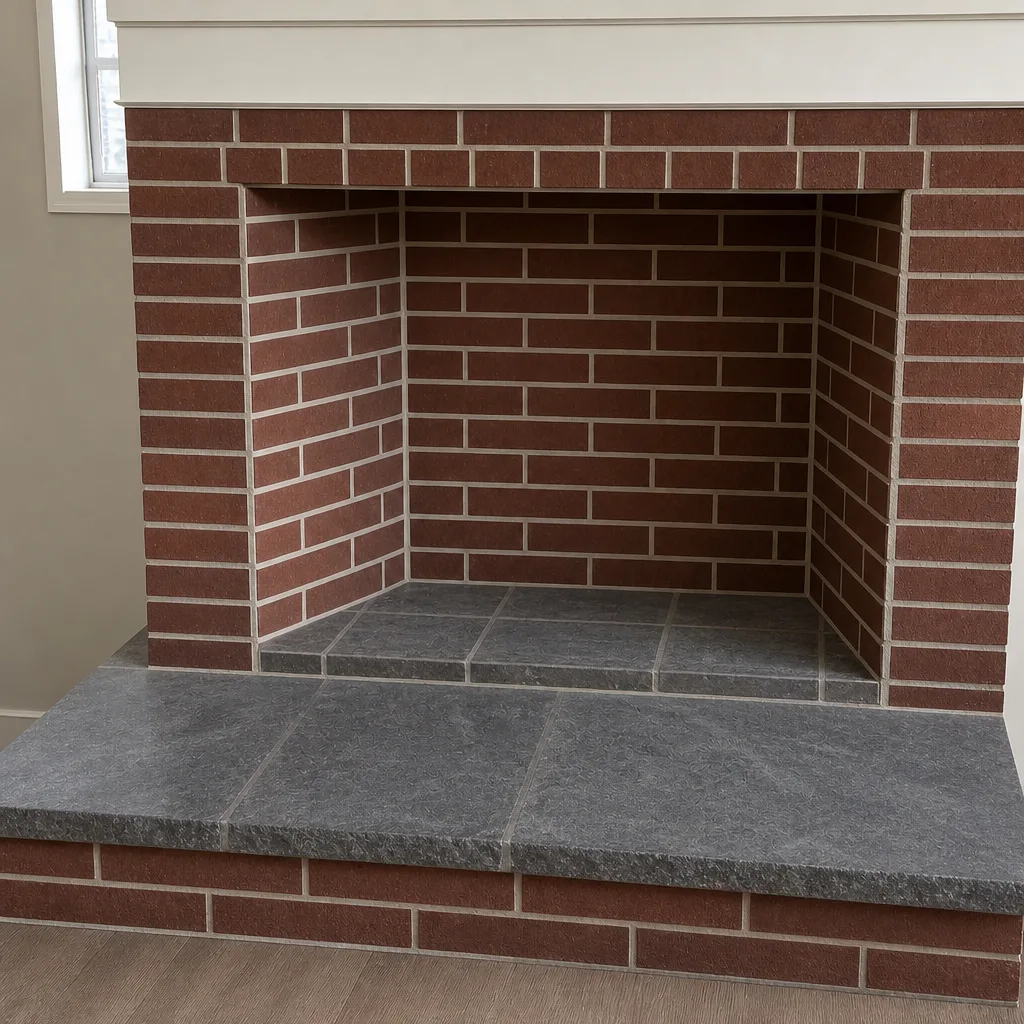
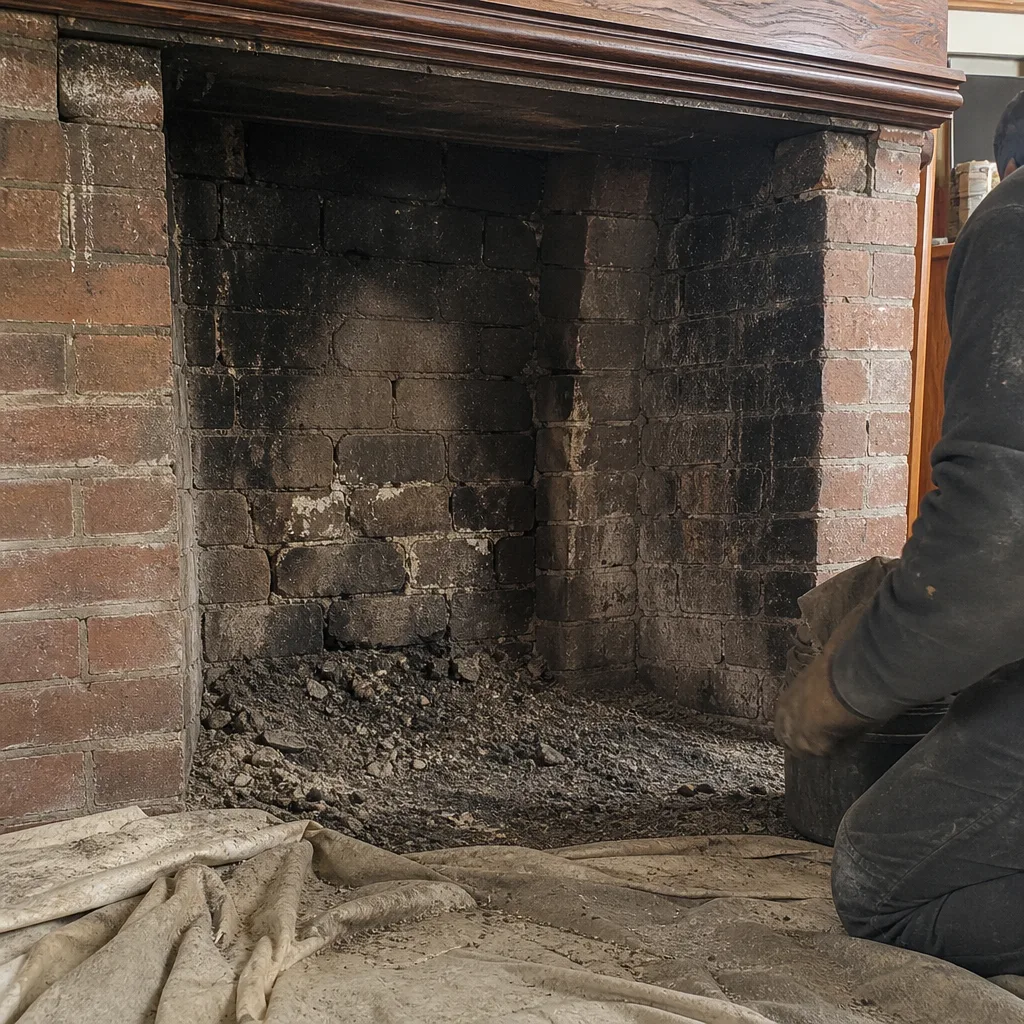
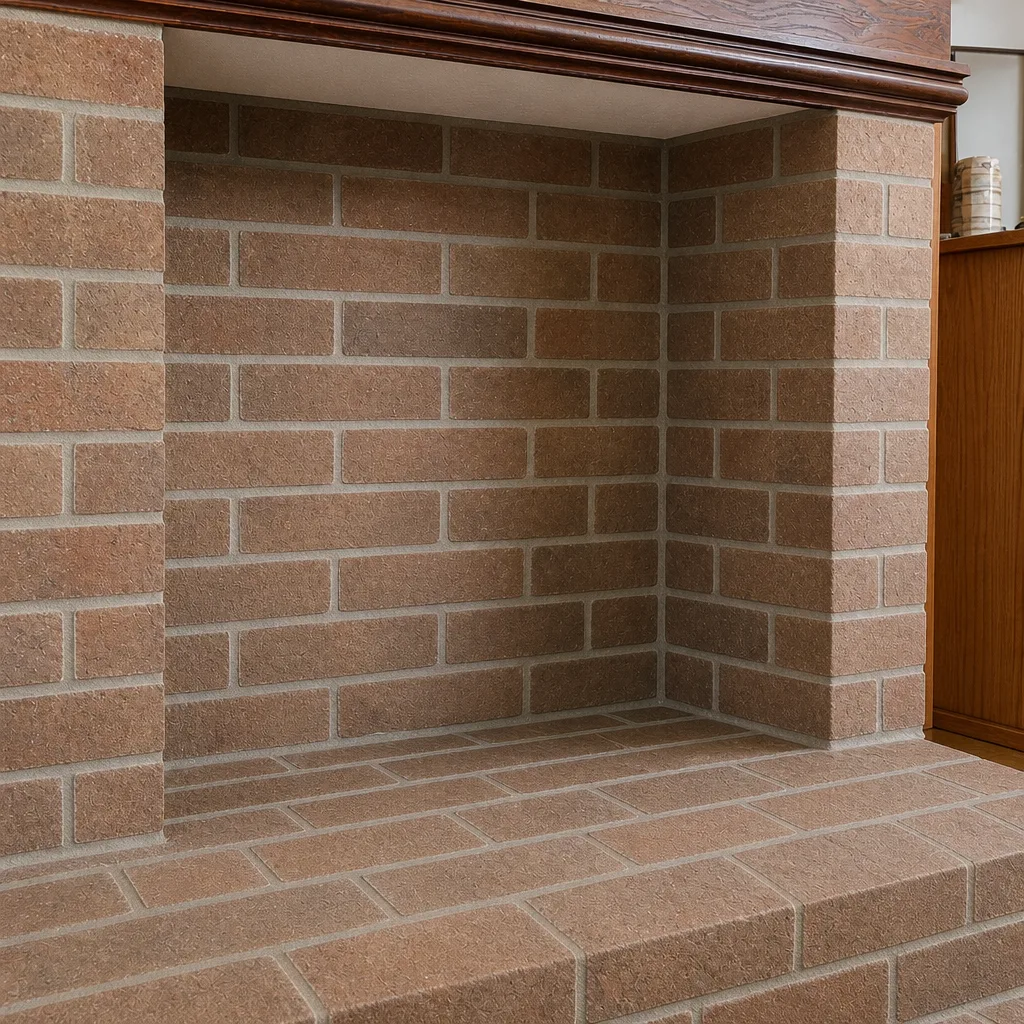
See the difference
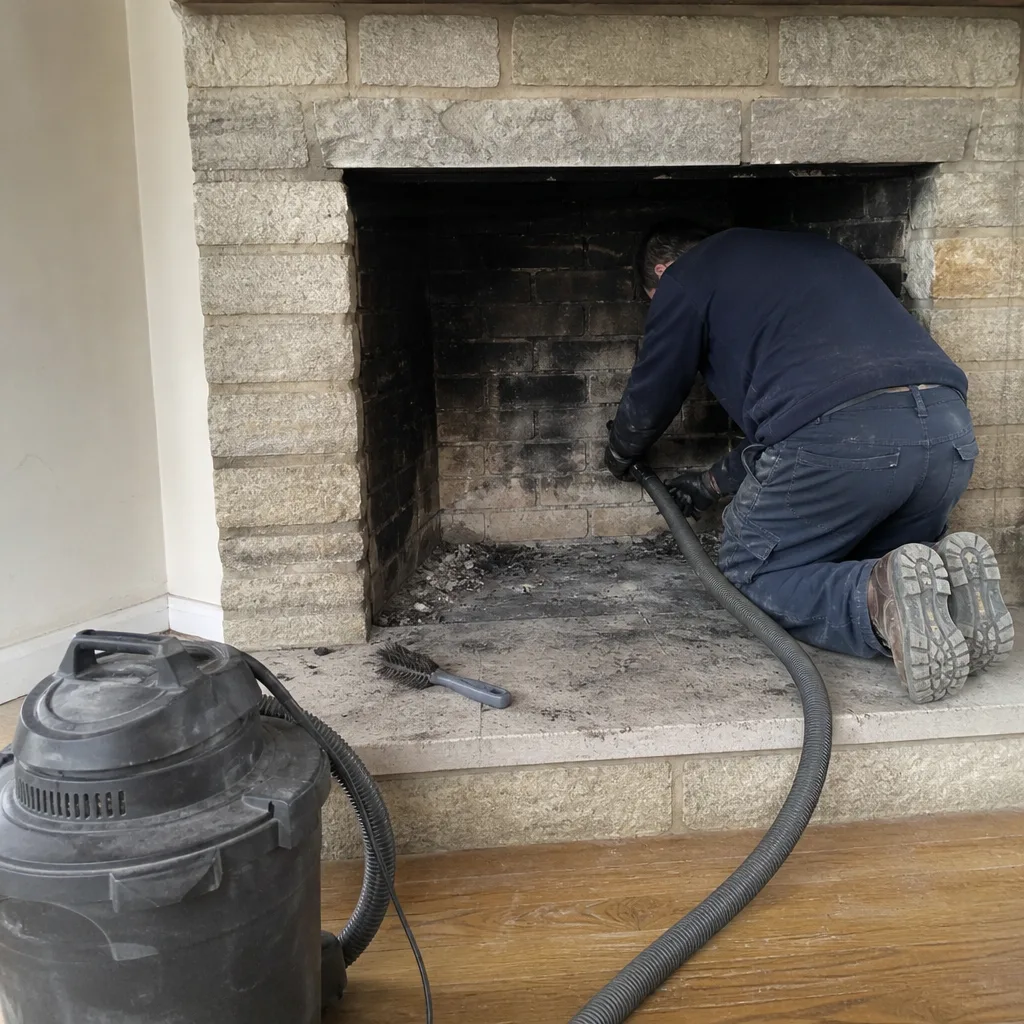 Before
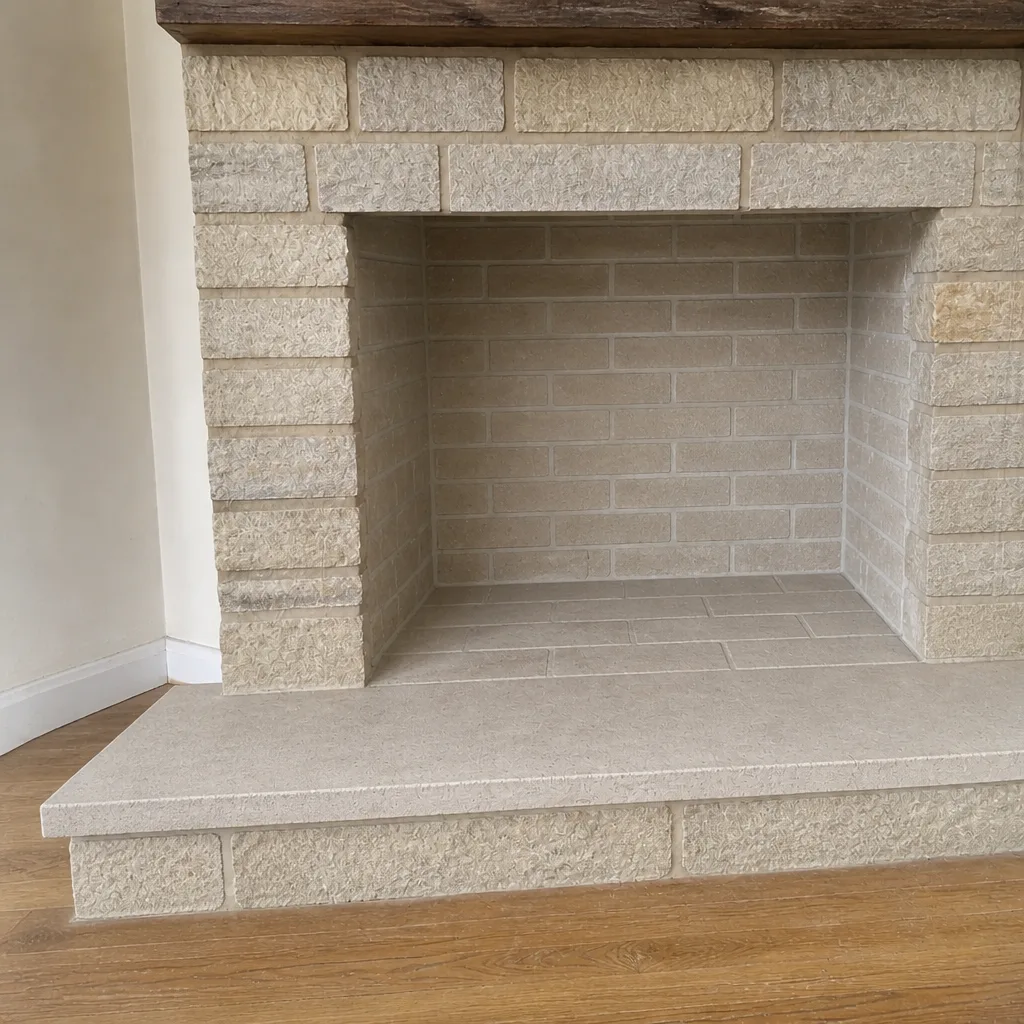 After
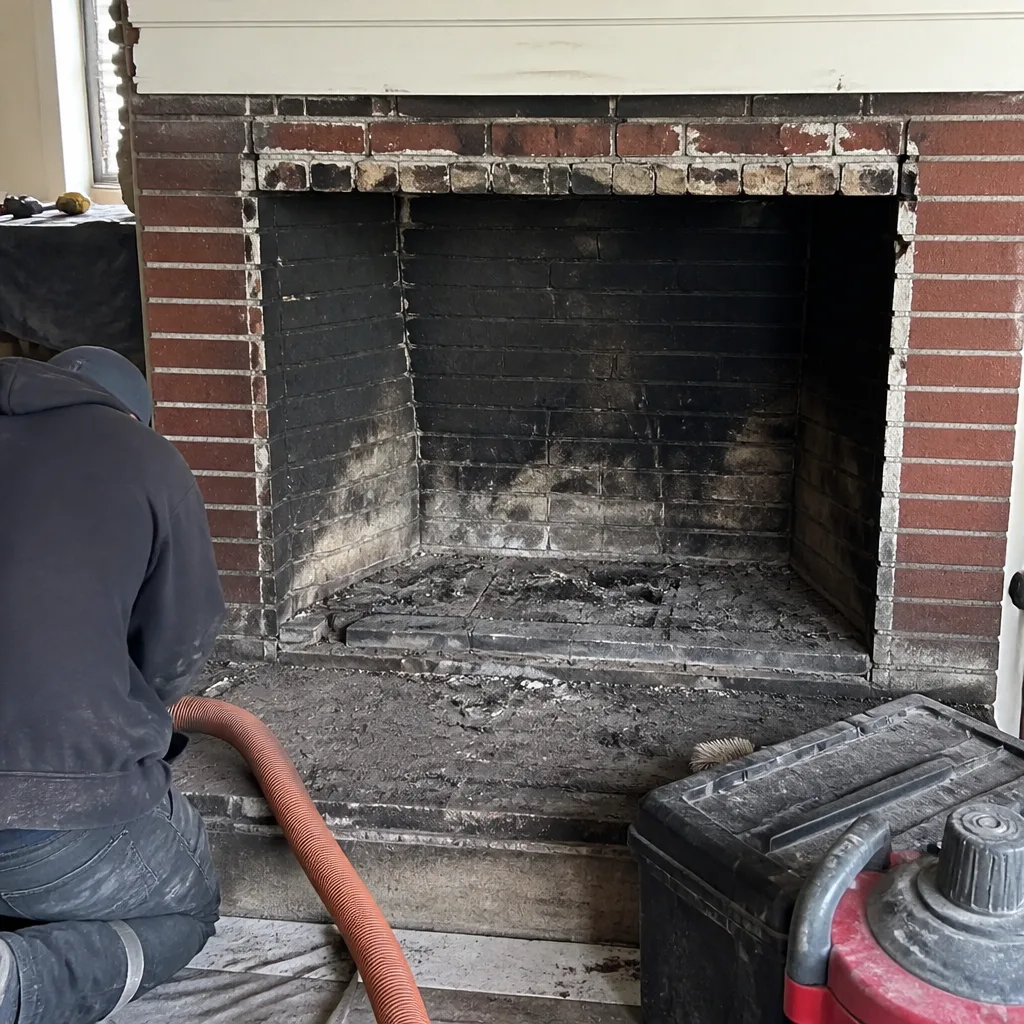 Before
 After
 Before
 After
When to Call a Professional
Call a chimney specialist when you’ve had a chimney fire (after FDNY clears the scene, before using the fireplace again), when a CO alarm has gone off, when smoke spills into the room with a normal fire, or when you don’t have a Level 2 inspection on record for the flue. Call when you’re buying a Port Richmond home and the prior owner’s inspection is missing or out of date. Call when your cap or crown is visibly damaged and you want it replaced with a proper fit. And call before the heating season, not mid-winter, if you can – a sweep and inspection before the first fire is cheaper than a chimney fire after it. Port Richmond Chimney Sweep offers free estimates in Port Richmond – call (855) 789-9672. We answer 24/7. Fast dispatch from 7am to 7pm, Sunday through Friday. Our technicians have up to 14 years of experience, and the estimate is free with pricing set per job by the written estimate.
Frequently Asked Questions
Close the damper, get everyone out of the house, and call 911 from outside. Do not pour water into the flue and do not open windows near the fireplace – that feeds the fire and can make the draft worse. Stay outside until FDNY clears the scene. Call (855) 789-9672 after the scene is cleared to book a Level 2 inspection – estimates are free.
The general guidance is once a year for a wood-burning fireplace, or more often if you burn a lot of wood or notice a buildup of creosote in the firebox. Gas fireplaces should still be inspected annually, even though they don’t produce creosote the way wood does. Book a fireplace repair or sweep visit before the heating season if it’s been more than a year. Call (855) 789-9672 for an exact quote – estimates are free.
Yes. A chimney fire can burn hot enough to crack a flue tile or warp a metal liner without any visible damage from the outside, and the next fire in a compromised flue is the one that spreads. Treat any chimney fire as a reason for a Level 2 inspection before you use the fireplace again. Call (855) 789-9672 to book the inspection – estimates are free.
Not always, but you need the evidence to decide. A Level 2 inspection with camera footage shows whether the liner is cracked, warped, or structurally sound. If it’s deteriorating but not failed, HeatShield ceramic resurfacing can restore and seal the flue. If the liner is fully compromised, a full relining with DuraFlex or Olympia Chimney systems is the structural fix. Nothing should be recommended without camera evidence you’ve been shown – call (855) 789-9672 and we’ll walk you through it. Estimates are free.
Yes, and you need both. A smoke detector senses visible combustion particles; a CO alarm senses carbon monoxide, which is invisible and odorless and can back into a home from a blocked or deteriorated flue with no smoke at all. In a Port Richmond rowhouse with a basement flue cleanout, put a CO alarm on the basement ceiling near (not inside) the cleanout area. Test both every 12 months. Call (855) 789-9672 to book a pre-season inspection – estimates are free.
An active chimney fire (flames, roaring, dense smoke from the cap) is a 911 emergency. A CO alarm going off is a 911 emergency – evacuate first and call from outside. Smoke backdraft with a normal fire is urgent but not a 911 call: stop burning, book an inspection. When in doubt, err on the side of a 911 call – the fire department can clear a false alarm faster than you can diagnose one. Call (855) 789-9672 for the follow-up inspection or a swep – estimates are free.
The Bottom Line
Chimney emergency prep isn’t a kit you buy – it’s knowing three responses cold and having your information ready before you need it. Close the damper, evacuate, call 911 for a chimney fire. Evacuate and call 911 for a CO alarm. Stop burning and book an inspection for backdraft. Never pour water into a hot flue, never open windows near a fire, and never trust the eye over a camera. Keep your sweep’s number on the fridge, know where your cleanout is, and test every CO and smoke alarm every 12 months. A Level 2 inspection after any fire is the step that determines whether your fireplace is safe to use – and the chimney cap & crown are part of that same system. Do the prep in the fall, not in a January emergency.
We work on chimneys and only chimneys. Every technician on a job is a chimney specialist, not a generalist who does fireplaces on the side. If you’re due a sweep, a Level 2 inspection, or a cap replacement, call (855) 789-9672 for a free estimate. We answer 24/7. Fast dispatch from 7am to 7pm, Sunday through Friday. The written estimate sets the final price – nothing gets recommended without camera evidence you can see for yourself, and we’ll tell you plainly when work can safely wait until spring.
Written by the team at Port Richmond Chimney Sweep.