
Last updated November 23, 2026
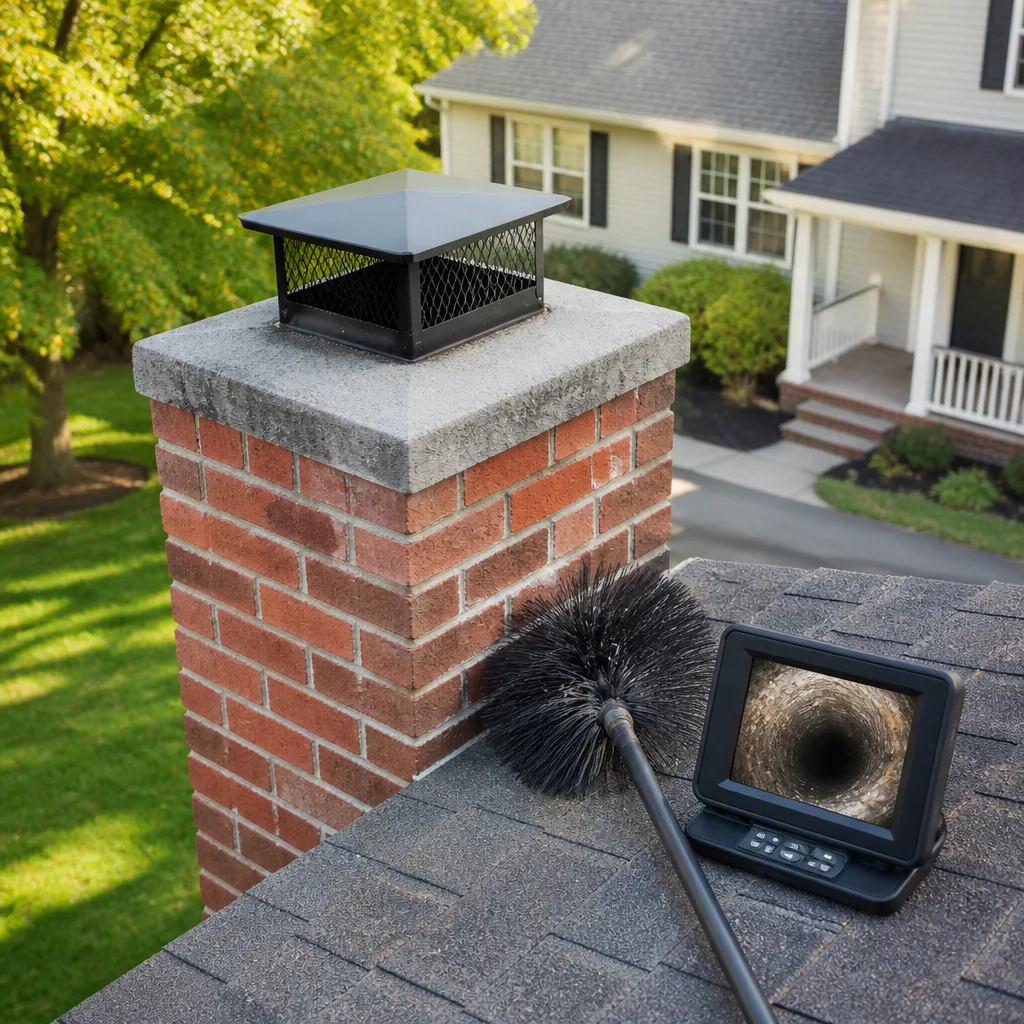 Sweep & inspection
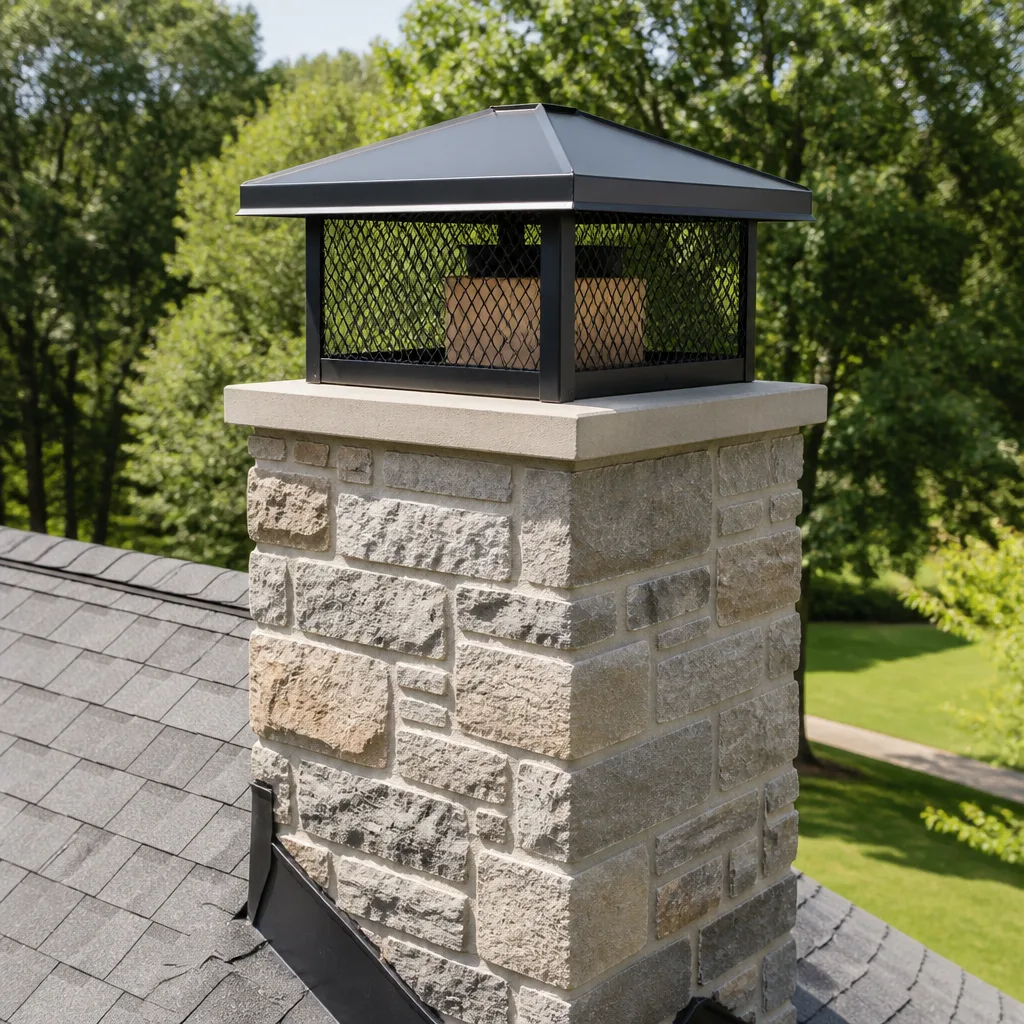 Caps & crowns
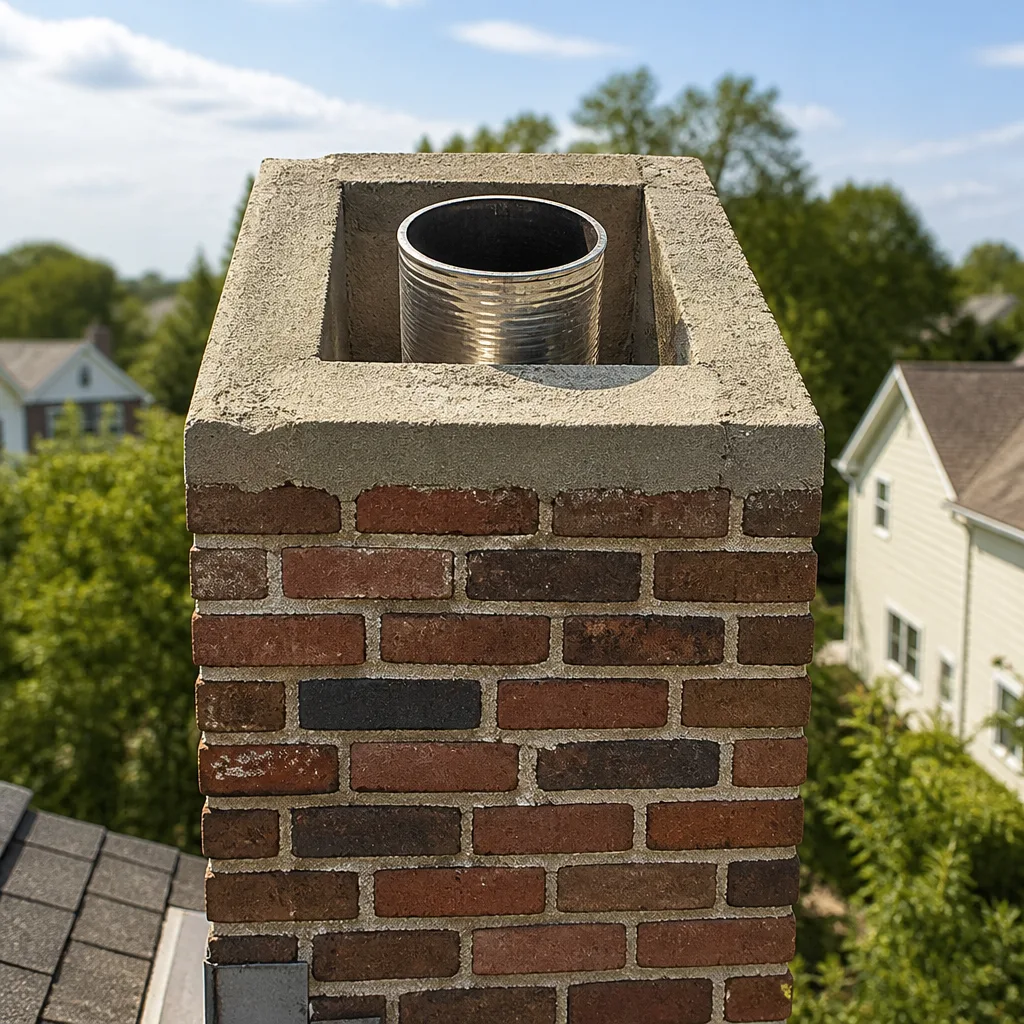 Flue relining
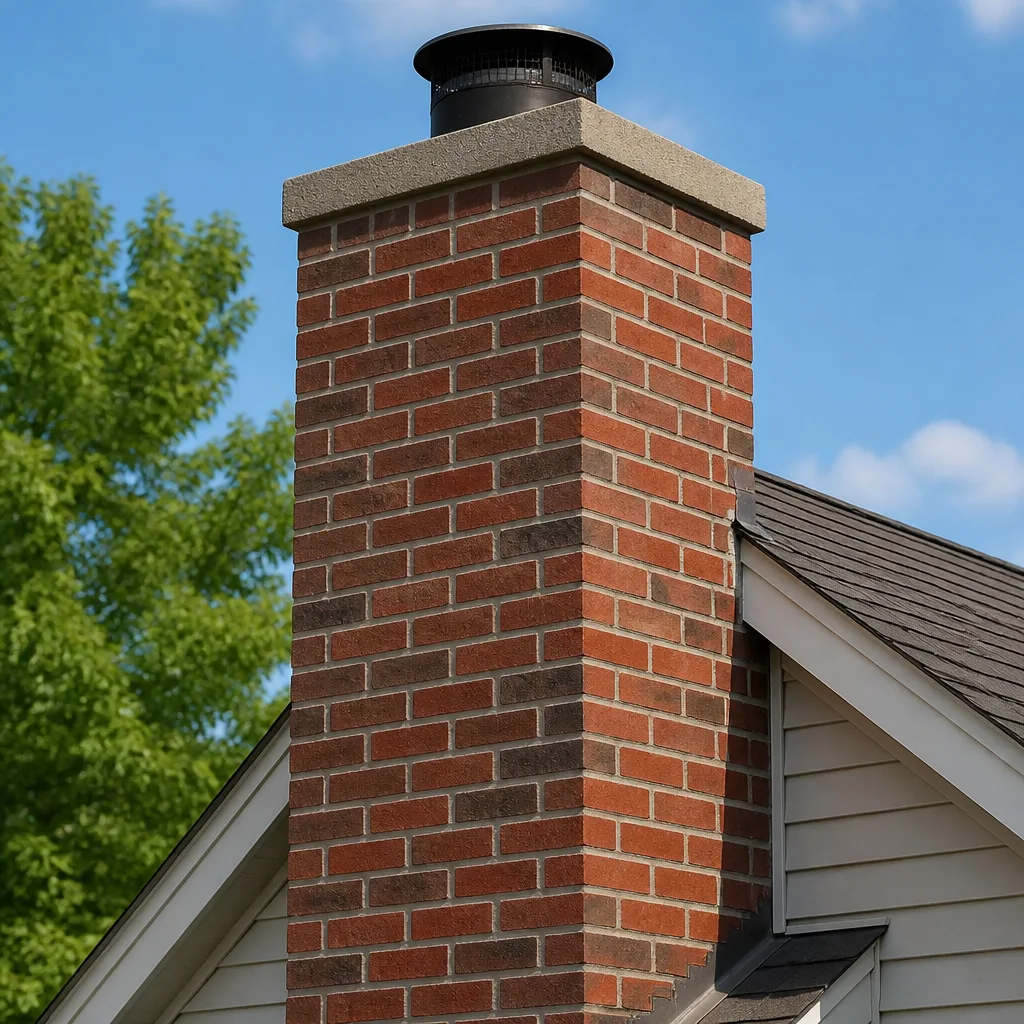 Masonry repair
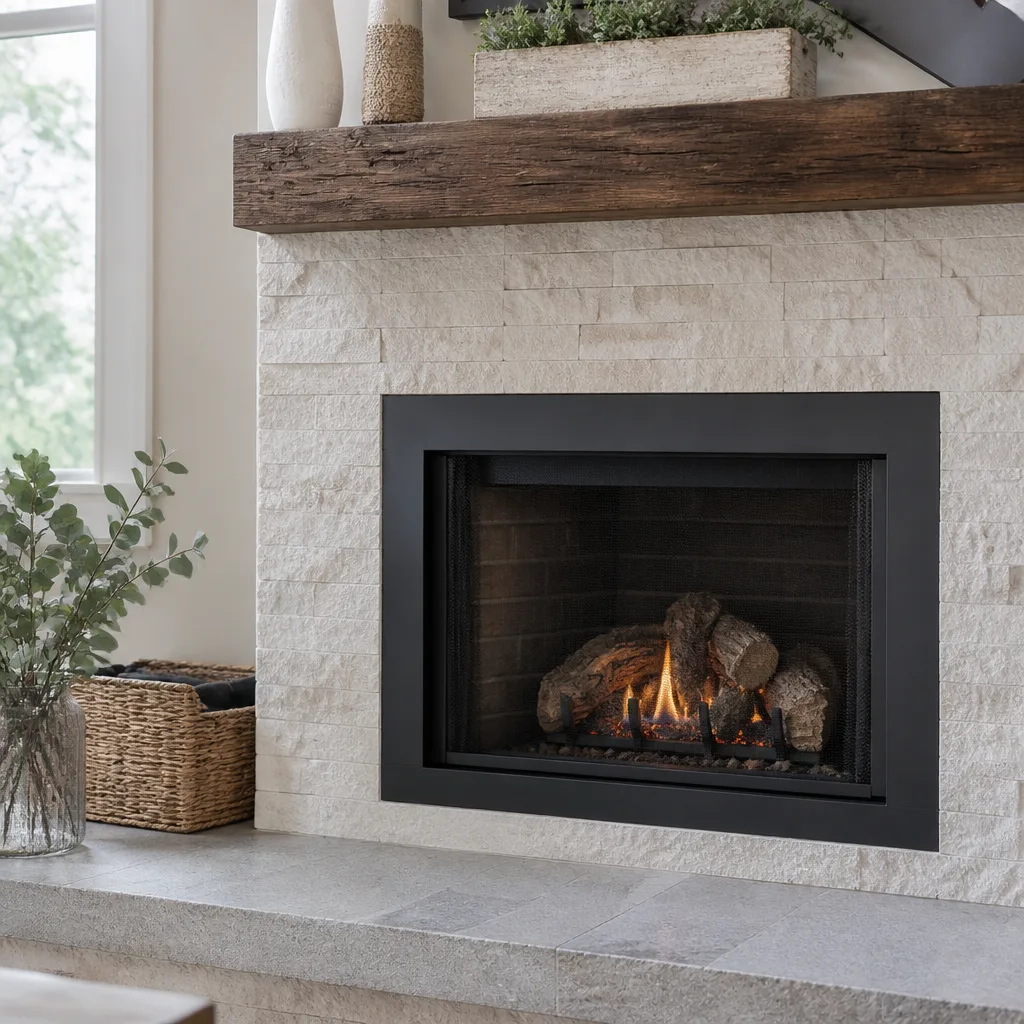 Gas fireplace service
Level 1 sweep and inspection to the NFPA 211 annual standard - flue, crown, cap, and flashing checked and photographed
Chimney sweep logs do not sweep chimneys. They loosen some creosote - which then falls where a brush and vacuum still have to collect it.
Chimney Cleaning Warning Signs: A Port Richmond Homeowner’s Reference Guide
The warning signs most guides list are the ones that show up last. Smoke rolling into the room, a visible crack in the masonry, a nest of birds dropping soot into the firebox: by the time you see any of those, the problem has already moved past prevention and into repair. We’ve watched Port Richmond homeowners chase the dramatic symptoms for years while the real early signals sat ignored for a season or two. This guide is built to catch the quiet stuff first, the white staining, the rusting damper, the faint smell that doesn’t match what you’re burning. We’ll organize it by where in the house you’ll notice it, give you a triage framework for deciding what’s urgent and what can wait, and skip the fear tactics. By the end you’ll know what a chimney is actually telling you before it starts shouting.
Quick Answer
The earliest chimney cleaning warning signs in Port Richmond are usually subtle: a musty smell when you open the firebox, white mineral staining on the exterior masonry, rust on the damper plate, or a draft that takes more than two minutes to establish. These signals appear well before smoke, visible cracks, or a failed inspection, and catching them in the off-season is what keeps a small cleaning job from becoming structural work. If any two of them show up at once, it’s time for a sweep and inspection.
Styles & brands we work with
- Sweep & inspection
- Caps & crowns
- Flue relining
- Masonry repair
- Gas fireplace service
Table of Contents
- What Your Nose Tells You Before Your Eyes Do
- What to Look For Inside the Firebox
- What to Look For Outside: Masonry, Flashing, and the Stack Itself
- Operational Signals During a Fire
- Efflorescence and the Water Problem Underneath It
- Reading Creosote: What the Glaze Is Telling You
- Triage: Which Warnings Are Urgent and Which Can Wait
- Common Mistakes to Avoid
- When to Call a Professional
- Frequently Asked Questions
- The Bottom Line
What Your Nose Tells You Before Your Eyes Do
Smell is the most ignored warning sign in a chimney, and the most useful. The trouble is that homeowners lump every chimney odor together as “that fireplace smell” and move on. In our experience, the three odors that matter are distinct from each other, and each points to a different problem.
The first is musty, damp, and waterlike. It usually shows up in the off-season, when the firebox hasn’t been used for weeks. That odor means moisture is trapped somewhere in the flue or masonry. It’s often the earliest sign that rain is getting past a failing cap or crown and soaking into the interior. If you smell it, look at your cap before you do anything else.
The second is acrid, sharp, and resinous, closer to tar than to wood smoke. That smell belongs to third-degree creosote, the glazed, hardened form that has become chemically bonded to the flue wall. It doesn’t sweep off with a light brushing. Because glazed creosote is the fuel source for a chimney fire, an acrid smell in a chimney that hasn’t been cleaned in a while warrants a professional inspection before the next burn.
The third is faint, chemical, and hard to place. Carbon monoxide is odorless, so you can’t smell the gas itself, but a flue that’s drafting poorly will carry combustion byproducts, including a slight solvent-like note, back into the living space. If you catch anything like that indoors while the fireplace is running, stop using it and get the flue checked. This is the one odor you shouldn’t wait on.
Port Richmond homes with older masonry flues are more prone to the musty version than newer construction, simply because a decade or two of small water intrusions has had time to work its way into the mortar joints. If your chimney is on the older side, treat that smell as a real data point rather than background noise.
What to Look For Inside the Firebox
The firebox is the part of the chimney you can actually see without a ladder, and it broadcasts more information than most owners realize. Three visual cues deserve a specific look every season, before the first fire.
- Rust on the damper plate. A light rust film on metal is normal. Flaking rust, or rust that has eaten into the damper linkage, is telling you moisture is condensing in the smoke chamber. That can come from a missing cap, a failing crown, or simply wood stored too wet and burned too often. The damper itself is a moving part, so it’s worth checking that it opens, closes, and seats cleanly.
- A white haze on the firebox walls. That milky film is thin efflorescence, the same process that happens on the exterior, just on the inside face. It appears when moisture migrates through the brick or mortar and leaves mineral salts behind. Interior white haze often points to water entering above the firebox, which is a different story than exterior staining.
- Black glazing on the back wall. A little black soot is normal. Shiny, tar-like blackness on the back wall or the upper firebox, sometimes called a “closed face,” tells you combustion is incomplete: the fire isn’t getting enough air, or the firebox isn’t hot enough to complete the burn. That’s the soil that becomes creosote higher up in the flue.
Our technicians check all three of these on every fireplace repair visit, because each one points to a different underlying cause and sometimes to more than one at once. A rusty damper plus glazed firebox walls, in a Port Richmond home with a 40-year-old firebox, usually means water intrusion and poor draft are teaming up.
What to Look For Outside: Masonry, Flashing, and the Stack Itself
Walk outside and stand at the curb, or on the far side of the street, and look at the chimney from that angle. The wide view catches things that get lost in a close-up. Three exterior patterns are worth recognizing.
- Stair-step cracking along the mortar joints. Cracks that move diagonally up the brickwork, jumping from joint to joint like a staircase, are a structural pattern rather than a cosmetic one. They often follow moisture cycles, frost, and settling, and they can indicate movement in the chimney stack. Any diagonal crack that’s wider than a hairline is a reason to have the chimney evaluated.
- A tilted chimney stack. A visible lean, even a small one, is a sign that either the foundation of the chimney has shifted or the mortar has given way unevenly. Compare the flue to the ridgeline of the roof. If they aren’t roughly parallel, that’s worth a look from someone who works on chimneys for a living.
- Missing or displaced flashing. Flashing is the metal collar where the chimney meets the roof. If it’s lifted, curled, or missing sections, water goes in at the roofline and travels down through the chimney structure. A chimney cap & crown in good condition keeps rain out of the flue, but it can’t protect the flashing joint, and that’s where a lot of Port Richmond chimney damage starts.
Port Richmond properties built in the mid-20th century are particularly prone to that third item. The flashing was good when it was installed, but decades of freeze-thaw cycles pull the metal away from the masonry sealant, and the gap goes unnoticed until the water has already done its work.
Operational Signals During a Fire
Watch how the fireplace behaves during the first 20 minutes of a fire. Draft is the whole game in a chimney, and a sluggish draft is one of the earliest warnings you’ll ever get. Three operational signs are worth paying attention to.
Slow draft. A properly sized, clean flue should establish a working draft within 30 to 60 seconds of lighting a fire. If yours takes more than two minutes, or if you find yourself nursing the fire to get the smoke moving up, the flue is either restricted (creosote, soot, or a nest), undersized, or too cold to draft. Cold flues in a Port Richmond winter morning are common, so a slow draft once in a while is normal. If it happens on every fire for a season, it’s a symptom.
Smoke that enters the room before the flue warms. A small puff of smoke when you first light the fire is expected, particularly on a cold day. Smoke that keeps rolling into the room for a minute or more, while the fire is building, means the flue isn’t pulling air. That’s the classic warning sign of a partial blockage, and it’s usually cheap to fix if you catch it before the blockage grows.
Fires that die without added fuel. A healthy bed of coals should sustain a fire on its own for a while between logs. If your fire smolders out in five or ten minutes, either the wood is too wet or the flue isn’t pulling enough air. Wet wood is a fixable homeowner problem. A weak flue is a professional one, and if you’ve already ruled out wet wood, get the chimney looked at.
We hear all three of these described on our chimney sweep calls every burning season, and they’re usually the reason a homeowner finally picks up the phone.
Efflorescence and the Water Problem Underneath It
A white, chalky stain on the exterior face of your chimney is efflorescence, and it’s not cosmetic. It’s what happens when water moves through masonry, dissolves mineral salts as it travels, and carries them to the surface, where the water evaporates and leaves the salt behind. That process is actively widening the micro-cracks the water travels through every freeze-thaw cycle. Over seasons, hairline cracks become visible ones, and visible cracks become structural.
Homeowners often try to scrub efflorescence off, sometimes with a stiff brush or a mild cleaner. The white comes back, because you’re cleaning the symptom, not the cause. The fix is to stop the water at its source. Usually that means one or more of the following:
- A chimney cap that’s missing, rusted through, or badly fitted
- A crown with cracks or spalling at the top of the stack
- Failing flashing at the roofline
- A masonry sealer that was applied too early in a remediation process and is now trapping water that entered elsewhere
Efflorescence is sometimes the only visible signal a homeowner ever gets from a chimney. That’s why it belongs near the top of this list. In Port Richmond, where the freeze-thaw cycle does its thing every winter, a chalky exterior is worth a full inspection before the problem has years to worsen.
Reading Creosote: What the Glaze Is Telling You
Creosote builds up in a flue in three distinct forms, and each one tells you something different about how the fireplace is being used and how much cleaning it’s overdue for. Knowing the difference helps you decide how urgently to book a sweep.
- First-degree creosote looks like a thin, sooty, powdery film, almost like black dust. It brushes away with a standard flue brush. This is what a normal burning season produces in a chimney that gets swept at the end of the year.
- Second-degree creosote looks like a crusty black layer with some thickness to it. It flakes off in chunks and takes a firmer brush and more time. If you can see this on the firebox or reach a hand up into the flue and feel a crust, you’ve waited too long between sweeps.
- Third-degree creosote is a shiny, hardened, tar-like glaze bonded to the flue wall. It doesn’t come off with a brush. It has to be removed with specialized tools or treated chemically, and in some cases the affected section of flue needs to be resurfaced with a product like HeatShield to restore a safe interior surface. This is the fuel that makes chimney fires dangerous.
Glazed creosote is the single most common reason we find a flue that needs more than a standard sweep. It’s also the reason we never recommend a general handyman for chimney cleaning. Third-degree creosote won’t yield to a hand brush and a vacuum, and it’s a chimney fire hazard that keeps growing until it’s addressed.
Triage: Which Warnings Are Urgent and Which Can Wait
Not every warning sign means stop using the fireplace tonight. A simple three-tier framework helps separate the “call now” from the “add it to the spring to-do list.”
Tier 1: Stop using the fireplace and call immediately
- Any smoke entering the room during a fire once the flue is warm
- A carbon monoxide alarm going off while the fireplace is in use, or a headache and drowsiness that shows up only when the fireplace is running
- Visible glazed creosote and any prior chimney fire, even a small one
- A tilted chimney stack or a diagonal crack wider than a hairline
- A missing cap in a season with rain, or standing water in the firebox
Tier 2: Book within the next few weeks
- Musty smell from the firebox in the off-season
- Rust on the damper linkage
- White efflorescence on the exterior masonry
- A sluggish draft on most fires
- Black glazing on the firebox back wall
Tier 3: Add to the annual service
- Hairline stair-step cracking at the mortar joints
- Light interior ash and normal soot buildup
- A cap that’s present but showing minor wear
- A crown with light spalling but no crack through
The right time to act on a Tier 2 sign is well before the next heating season, not in the middle of it. Port Richmond fires are most active from November through March, and scheduling a sweep in October or April is usually a whole lot easier than fitting one into a cold snap.
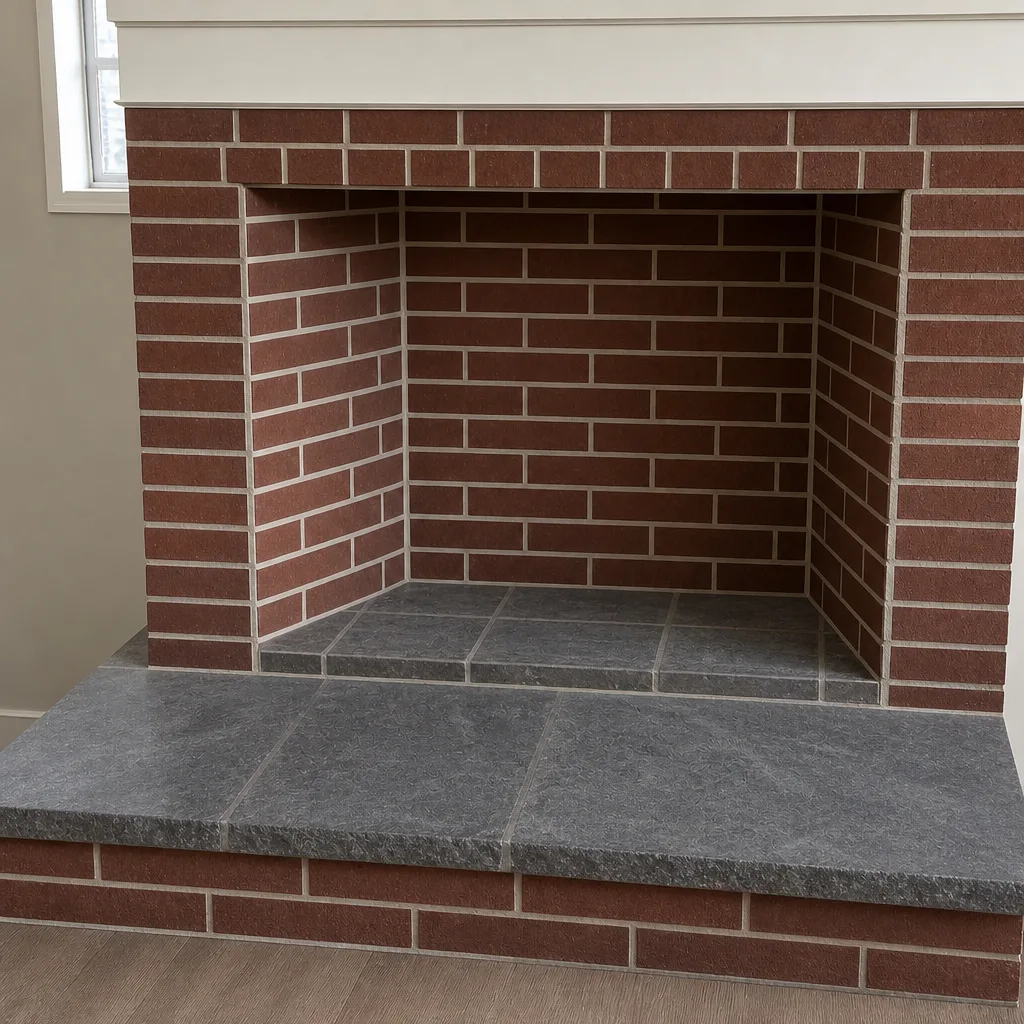
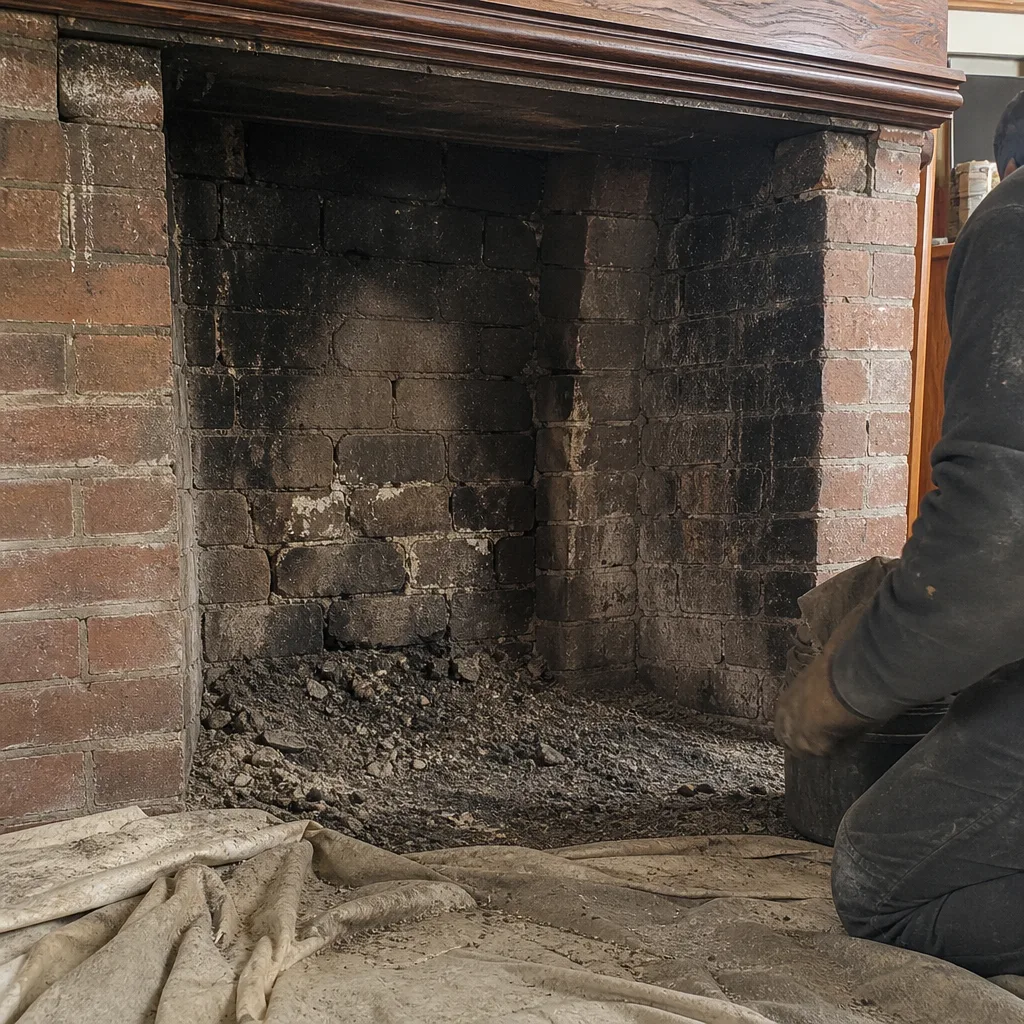
See the difference
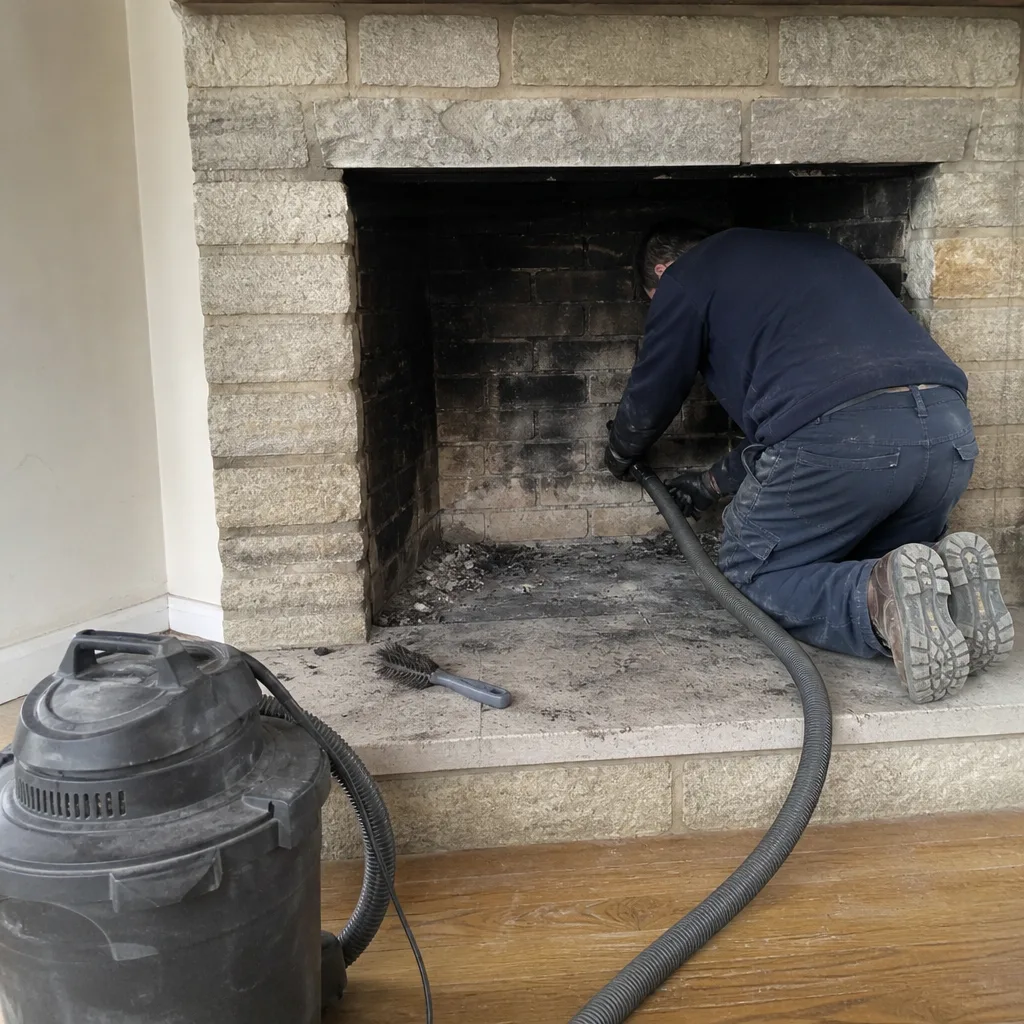 Before
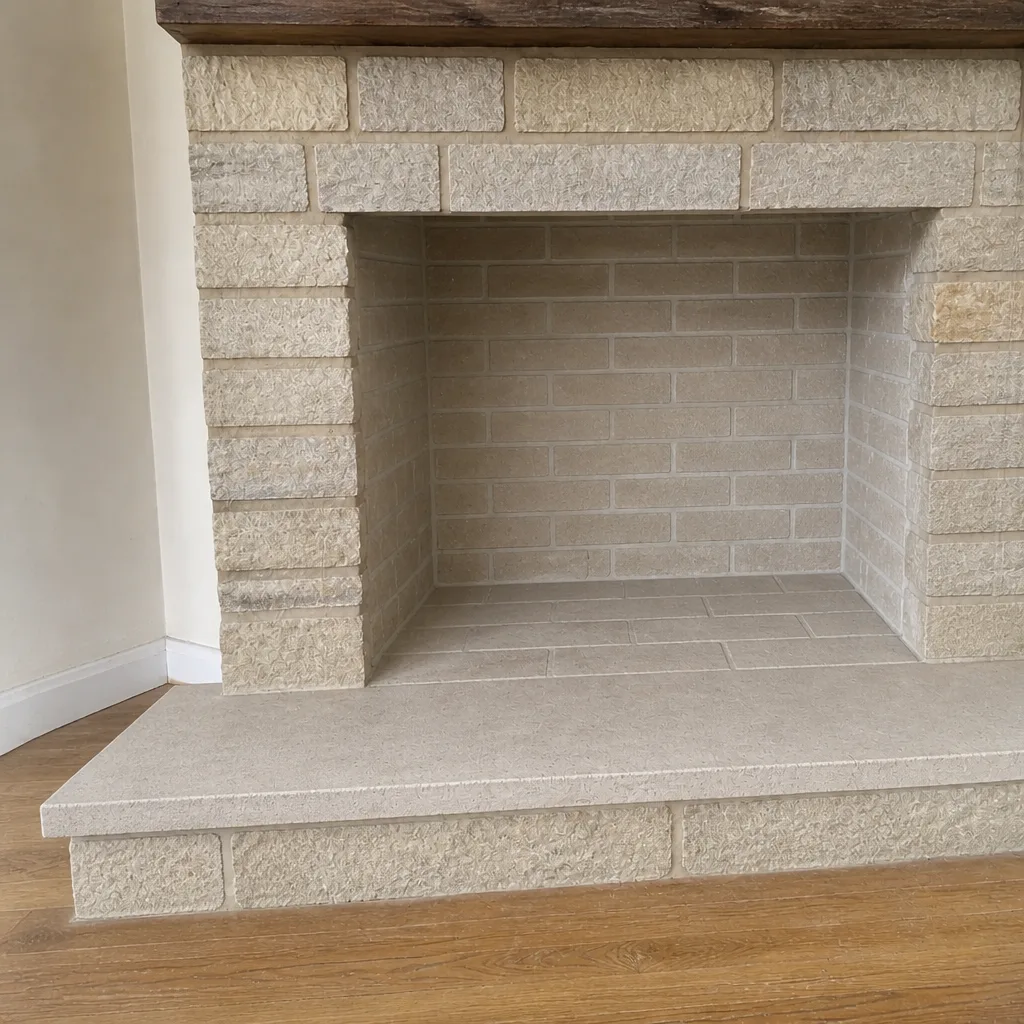 After
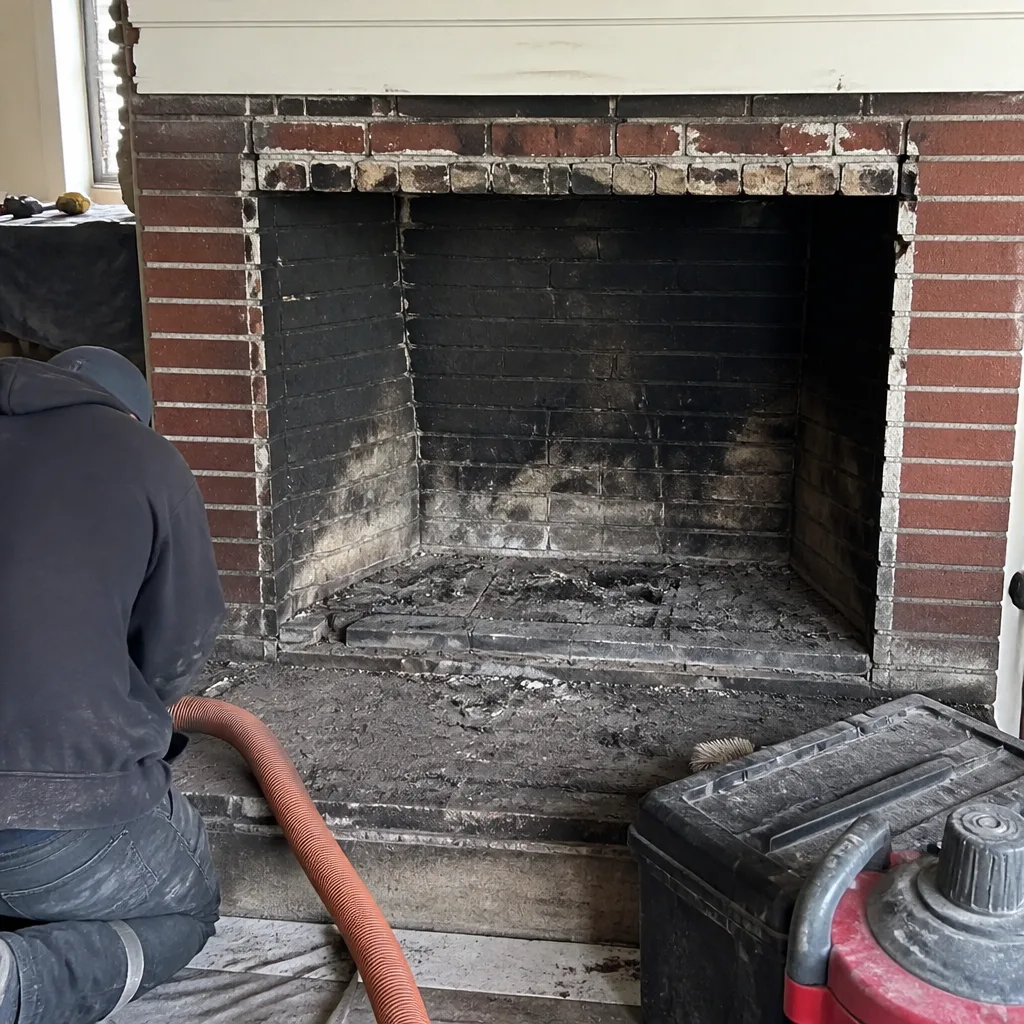 Before
 After
 Before
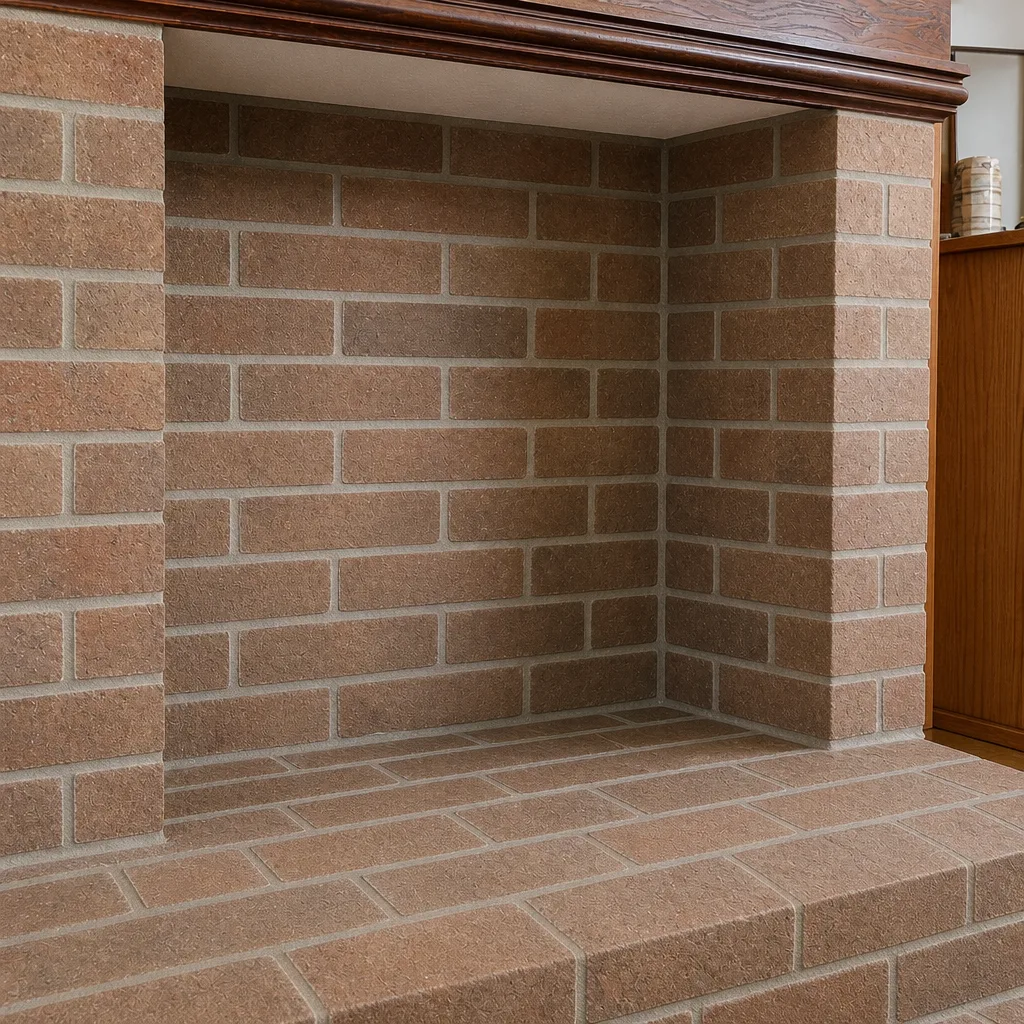 After
Common Mistakes to Avoid
- Scrubbing efflorescence off without finding the water source. The white stain is evidence, not the problem. Cleaning it does nothing about the moisture that’s actively widening cracks in your masonry.
- Assuming a “cleaned” flue is a safe one. A sweep removes soot and creosote, but it doesn’t inspect the liner, the crown, the flashing, or the smoke chamber. Cleaning and inspection are two different jobs, and a Port Richmond chimney needs both.
- Hiring a general contractor for a chimney job. Chimney work involves specific materials, specific tools, and specific safety practices. A roofer or handyman who “does chimneys on the side” won’t know what third-degree creosote looks like up close, and won’t have a thermal camera for detecting hidden flue cracks.
- Waiting on a draft problem until it becomes a smoke problem. A slow draft is the earliest, cheapest-to-fix signal a chimney ever gives you. Ignoring it for a season turns a sweep into a relining job.
- Burning wet wood to “stretch the cord.” Wood that hasn’t seasoned produces more creosote per fire and drives creosote buildup faster than the sweep schedule can keep up with. Season your wood before you burn it, and you’ll see less glazing on your flue.
- Using a “chimney cleaning log” or a similar no-sweep product. These products don’t remove third-degree creosote, and they can loosen enough debris to worsen a partial blockage. A certified sweep with proper tools is the only thing that actually cleans a flue.
- Treating a small chimney fire as a non-event. The first fire in a chimney is often small enough that it sounds like a low rumble and doesn’t smoke the room. It still cracks the flue lining and leaves glazed creosote behind, so it always warrants a professional inspection.
When to Call a Professional
Call a professional if you’ve noticed any Tier 1 or Tier 2 sign in this guide, if it’s been more than a year since your last sweep, or if you’ve moved into a Port Richmond home with no service records from the previous owner. Call immediately if the carbon monoxide alarm has ever sounded while the fireplace was in use, if you’ve had a chimney fire of any size, or if you can see glazed creosote on the flue wall. The Port Richmond Chimney Sweep team handles sweeping, inspection, and repair as a single-source job, so you’re not handing off between contractors. Port Richmond Chimney Sweep offers free estimates in Port Richmond. Call (855) 789-9672. We answer 24/7. Fast dispatch from 7am to 7pm, Sunday through Friday.
Frequently Asked Questions
Most Port Richmond wood-burning fireplaces need a sweep once a year, at the end of a burning season, if they’re used regularly. Gas fireplaces still need an annual inspection even though they produce much less soot. The right interval for your specific chimney depends on how much you burn, what you burn, and whether the flue has a liner, so the sweep schedule should come out of the annual inspection. Call (855) 789-9672 for an exact quote on a sweep. Estimates are free.
Skipping a sweep mostly gives creosote more time to build and to shift toward a glazed form that’s harder and more expensive to remove. Draft weakens, combustion degrades, and the flue liner has more time to develop small cracks from heat and moisture cycling. In the worst case, the extra creosote becomes the fuel for a chimney fire. Call (855) 789-9672 to book a sweep before the next burning season. Estimates are free.
You can brush a lightly sooted flue yourself with the right tools, but we don’t recommend it as a routine practice. The part of a chimney that fails earliest, the flue liner and the smoke chamber, can’t be evaluated from the top of a ladder, and third-degree creosote won’t brush off. The value of a professional sweep isn’t the brushing. It’s the inspection that comes with it. Call (855) 789-9672 for a free estimate on a proper sweep and inspection.
A sweep is the physical cleaning, removing soot and creosote from the flue and firebox. An inspection is the evaluation: camera work in the flue, a close look at the liner, the crown, the cap, the flashing, and the smoke chamber. A good inspection comes before, during, and after the sweep. Call (855) 789-9672 for a free estimate that includes both.
You need a new liner only if the existing liner has genuine cracks, gaps, or severe deterioration that a camera inspection can show you directly. HeatShield ceramic resurfacing is often the right answer when the liner is deteriorating but not structurally gone, because it restores the interior surface without a full reline. Full relining with a DuraFlex or Olympia Chimney system is the right answer when the liner has failed structurally. Call (855) 789-9672 for a free estimate and a straight answer about which one applies.
The cost of a chimney sweep in Port Richmond depends on the flue condition, the level of creosote buildup, and whether an inspection is included in the same visit. Pricing is set per job by a written estimate, so the number stays the same as long as the scope doesn’t change. Call (855) 789-9672 for an exact quote. Estimates are free.
The Bottom Line
The warning signs that matter most in Port Richmond are the quiet ones: a musty smell in the off-season, white efflorescence on the masonry, a rusty damper, a draft that takes more than two minutes, a crust of creosote you can feel higher up the flue. Catch those and you’re back to a routine sweep and a clean season. Ignore them and the small quiet signals become the loud expensive ones. If you’ve noticed one or two of them, a sweep and inspection is the next sensible step. If you’ve noticed three or more, book sooner rather than later, and use the triage tiers in this guide to decide what stays on and what stays off until the flue is checked.
Call (855) 789-9672 for a free estimate. We answer 24/7. Fast dispatch from 7am to 7pm, Sunday through Friday. Our technicians have up to 14 years of experience, and we work with professional-grade chimney brands including DuraFlex, HeatShield, Gelco, Olympia Chimney, Famco, and Copperfield. One call covers the sweep, the inspection, and any repair the flue needs.
Written by the team at Port Richmond Chimney Sweep.