
Last updated November 23, 2026
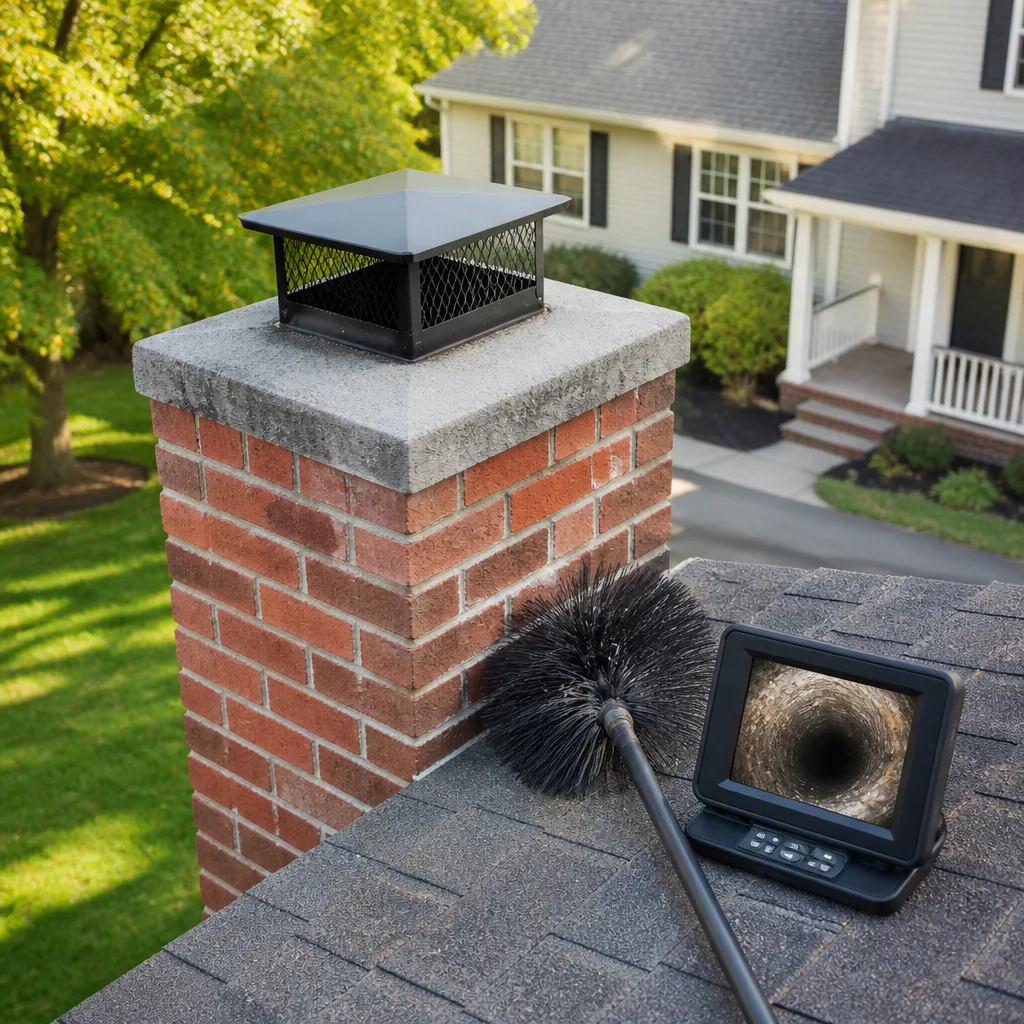 Sweep & inspection
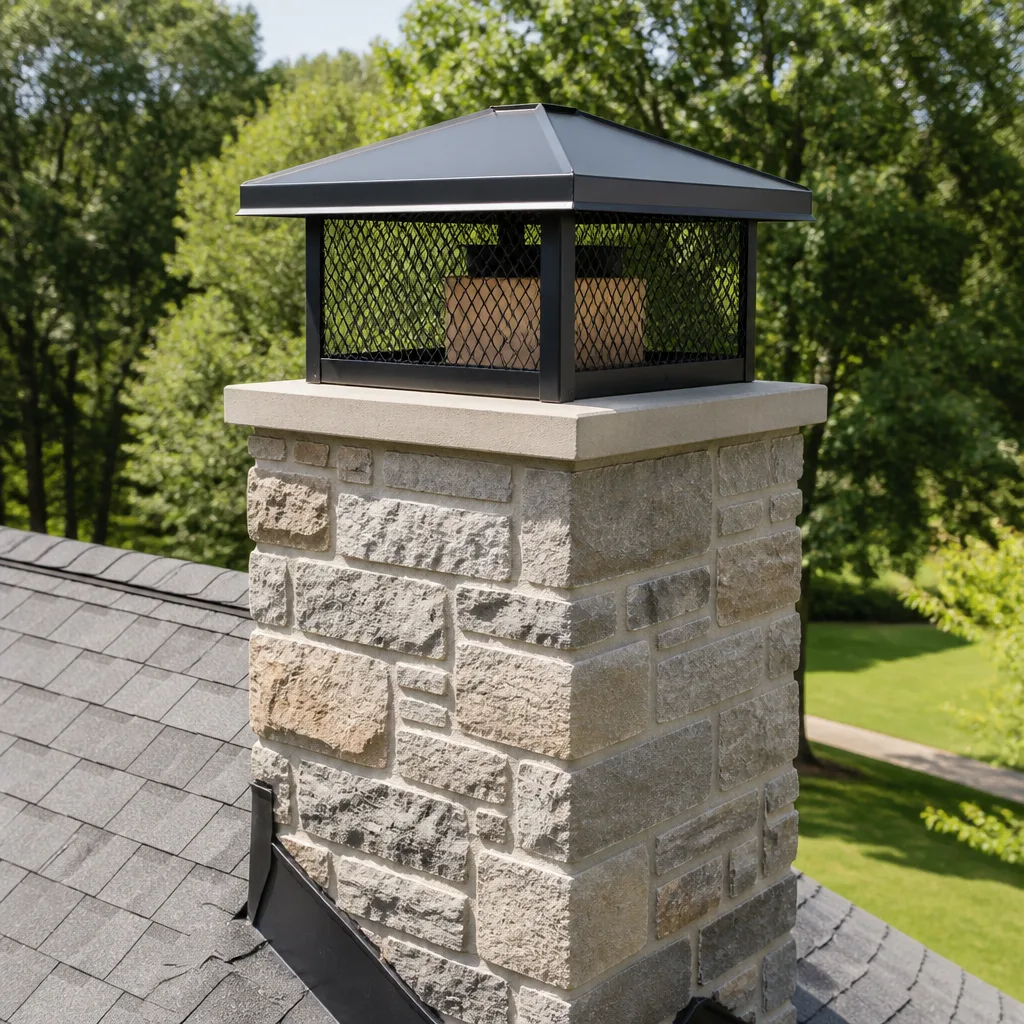 Caps & crowns
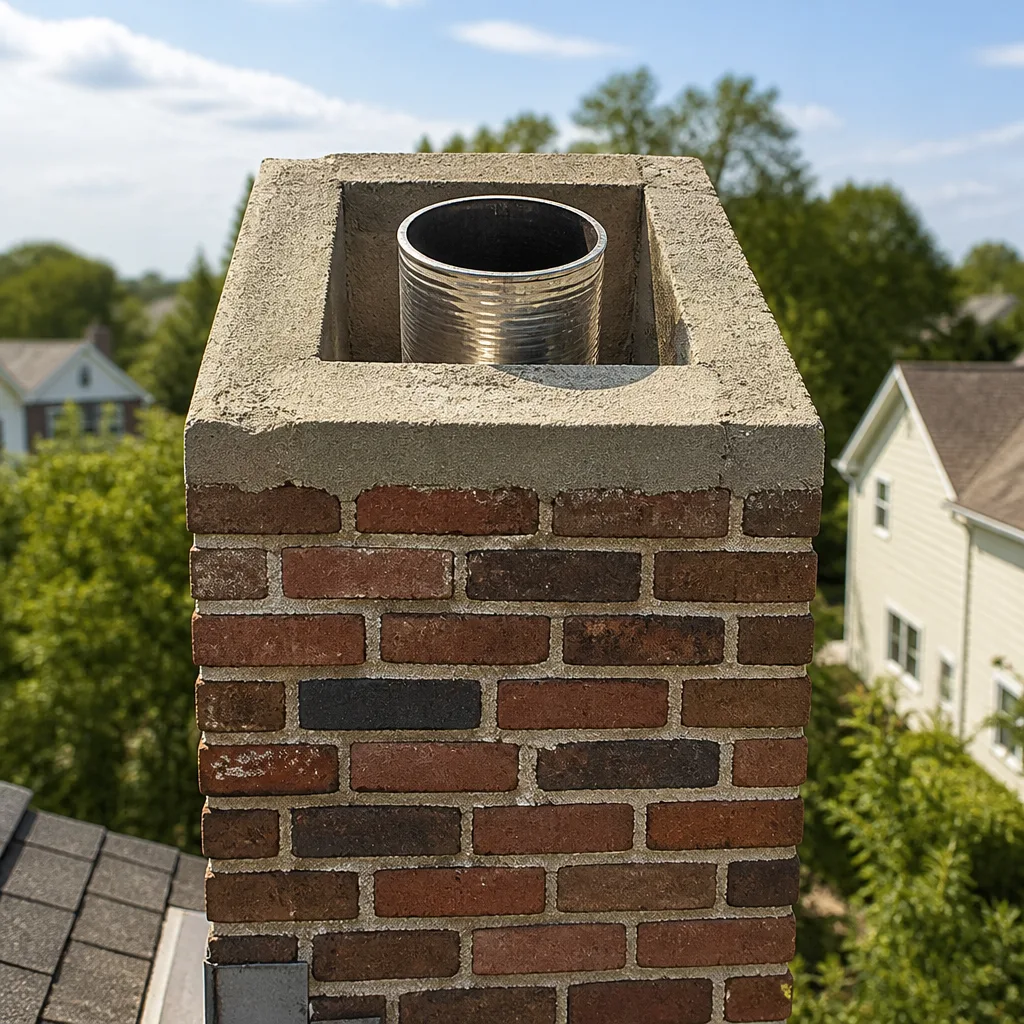 Flue relining
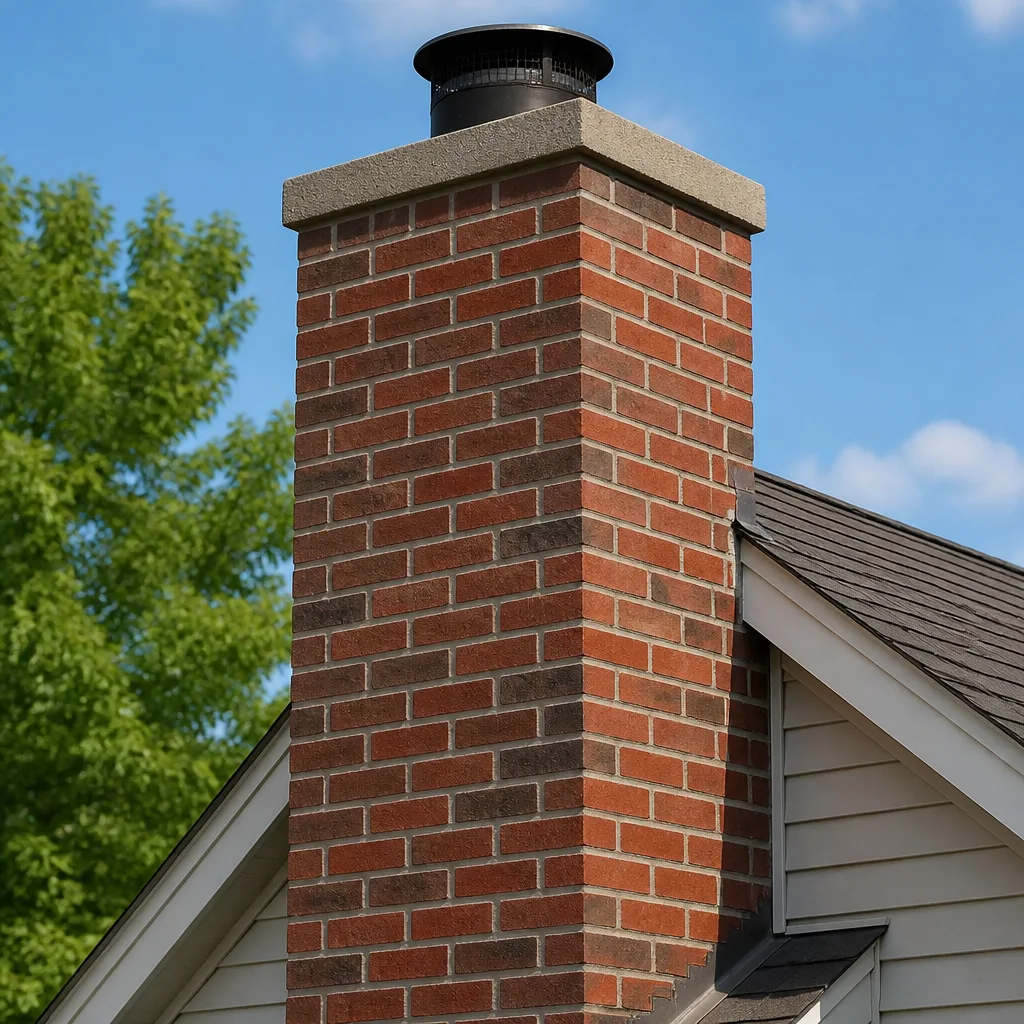 Masonry repair
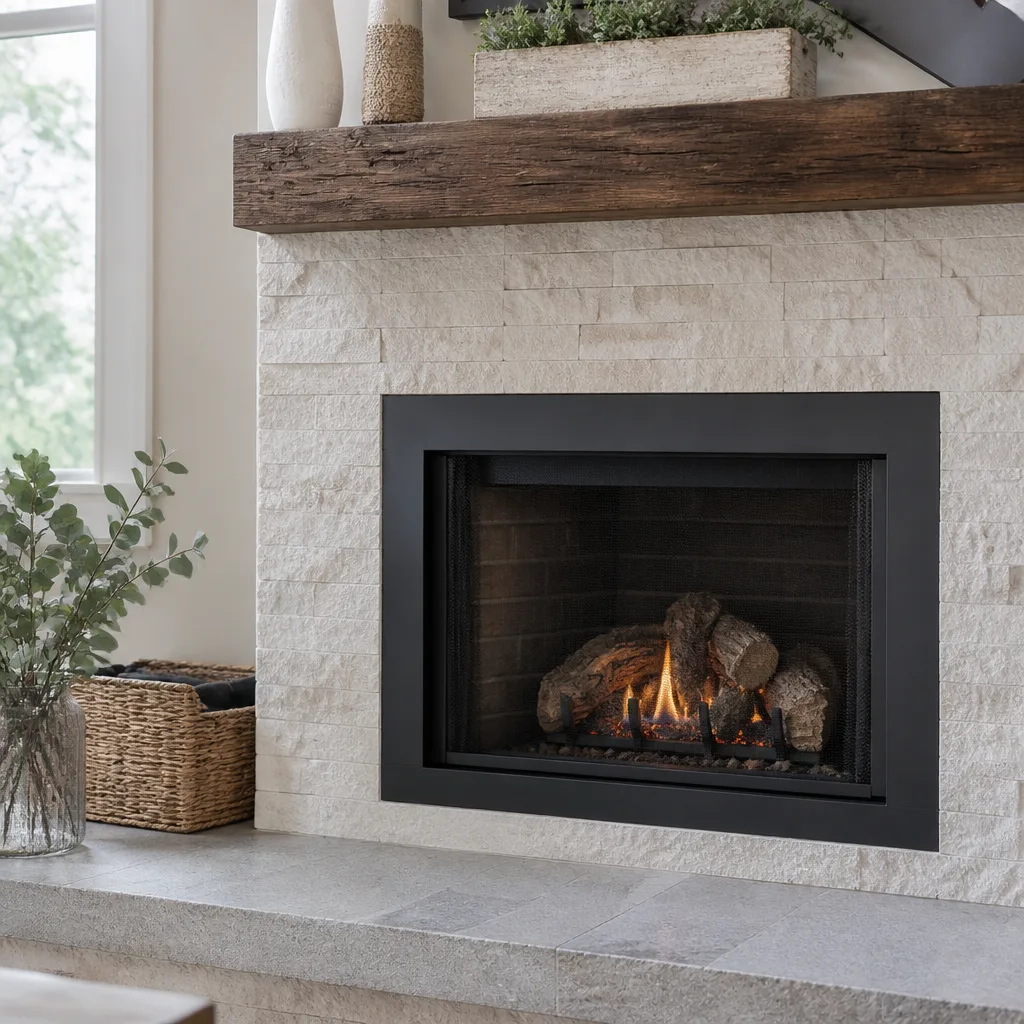 Gas fireplace service
Level 1 sweep and inspection to the NFPA 211 annual standard - flue, crown, cap, and flashing checked and photographed
Chimney sweep logs do not sweep chimneys. They loosen some creosote - which then falls where a brush and vacuum still have to collect it.
Chimney Cleaning Permits, Codes & Inspections in Port Richmond, NY: What You Need to Know
Most homeowners assume chimney work never touches a permit. Sweeping, sure. But the moment a job crosses from maintenance into structure, the rules change. Replacing a cracked terracotta flue liner with a stainless steel relining system in a Port Richmond home is a structural alteration under the NYC Building Code. Doing it without a permit isn’t a technicality you can wave off at closing; it’s a material defect that has to be disclosed when you sell, and it can complicate an insurance claim after a chimney fire. This guide draws the exact line between what’s routine maintenance and what’s permitted work, shows you how to pull a chimney’s permit history before you buy or list, and explains which inspections you actually need. If you own a wood-burning or gas fireplace in Port Richmond, this is the paperwork side of chimney ownership that nobody hands you at the closing table.
Quick Answer
Routine chimney sweeping and annual inspection in Port Richmond do not require a permit. Structural chimney work does. Under the NYC Building Code, a liner replacement, a rebuilt crown, masonry repair, a new chimney, or a heating appliance conversion generally requires a permit from the NYC Department of Buildings. Inspections come in two flavors: a municipal DOB inspection tied to permitted work, and a CSIA-style inspection that evaluates the flue for safe use. Most homes need the second one every year, whether or not a permit is ever filed.
Styles & brands we work with
- Sweep & inspection
- Caps & crowns
- Flue relining
- Masonry repair
- Gas fireplace service
Table of Contents
- Maintenance vs. Permitted Work: Where NYC Draws the Line
- How to Pull Your Chimney’s Permit History Before You Buy or List
- NFPA 211 and NYC’s Local Amendments
- What a NYC DOB Inspection Checks vs. a CSIA Inspection
- CO Detector Requirements Under NYC Local Law 7
- What Landlords in Multi-Unit Port Richmond Buildings Owe Tenants
- How the Permit Process Actually Works, Step by Step
- What Chimney Work Costs in Port Richmond
Maintenance vs. Permitted Work: Where NYC Draws the Line
The cleanest way to think about it: sweeping and inspecting are maintenance. Rebuilding, relining, and structural repair are construction. New York City regulates construction through the Department of Buildings, and that regulation is what turns a chimney job into a permitted job. A chimney sweep removes creosote from a flue that’s structurally sound; it doesn’t alter the system. Once the work affects the chimney’s structure, its flue liner, its crown, or the appliance it serves, you’re in DOB territory.
Here’s the practical split Port Richmond homeowners should keep in mind:
- No permit expected: routine sweeping, a visual or camera inspection, cap replacement (in most cases), firebox cleaning, and minor mortar re-pointing that doesn’t change the structure.
- Permit typically required: installing a stainless steel liner or relining system, rebuilding a damaged crown, repairing or rebuilding the chimney stack, installing a new chimney, and converting or swapping a heating appliance that vents through the chimney.
The reason this matters on Staten Island more than most people realize is the housing stock. Port Richmond’s older detached and semi-detached homes often have original masonry chimneys with terracotta tile liners that have cracked or spalled over time. When a liner fails, the fix isn’t a cleaning. It’s a relining job, and in our experience that’s exactly the point where a homeowner who assumed “chimney work never needs a permit” ends up with unpermitted structural work. A qualified installer will file the permit before the liner goes in, not after.
One rule of thumb that holds up: if the work changes the chimney’s materials, its shape, or what vents through it, ask about a permit. If it just cleans or inspects what’s already there, you’re in maintenance.
How to Pull Your Chimney’s Permit History Before You Buy or List
Before the NYC DOB went digital, paper permit records for older Staten Island homes were scattered and hard to trace. Now most of what you need lives online, and pulling a property’s permit history is one of the highest-value 20 minutes a Port Richmond buyer or seller can spend. This is the step that catches a relining job done without a filing, a chimney rebuilt by a previous owner’s “guy,” or a heating conversion that never got signed off.
Here’s how to do it:
- Go to the NYC Buildings Department’s online records search. The department’s public tools let you search by property address, block and lot, or BIN number.
- Pull the full permit and job filing history for the address, not just the current year. Look for applications, approved plans, and any open or expired permits.
- Read the job descriptions. You’re looking for filings that mention chimney, flue, liner, hearth, boiler, or furnace. A permitted relining job shows up as a filed and signed-off application.
- Check for sign-offs (or the lack of them). A permit that was filed but never signed off means work that was started and possibly never inspected. That’s a red flag worth resolving before a sale.
- Request the certificate of inspection that should accompany permitted chimney and heating work, and compare it to the physical chimney.
If you find work with no permit at all, don’t panic. It happens, and it’s fixable through the department’s process for legalizing existing work, but it has to be disclosed and resolved. A chimney specialist who does permitted relining work knows what a properly documented job looks like and can tell you fast whether the file matches the chimney. We work with Port Richmond Chimney Sweep on exactly this kind of records review, and we’ll tell you plainly when a paper trail is thin.
NFPA 211 and NYC’s Local Amendments
NFPA 211 is the national standard for chimneys, fireplaces, vents, and solid-fuel appliances. It’s the reference behind almost every inspection checklist, clearance rule, and liner sizing decision you’ll ever see on a chimney job. But NFPA 211 is a standard, not a law. New York City adopts and amends national codes into its own Building Code, and where the city’s adopted amendments are stricter than the national standard, the city wins. A contractor who works only from memory of “the national code” and doesn’t know NYC’s adopted edition is working from the wrong book.
What NFPA 211 gives you, and what NYC adds:
- Clearances: NFPA 211 sets how far combustibles must sit from a chimney or flue. NYC’s adopted code and its amendments set how those clearances get verified and inspected for permitted work.
- Liner requirements: the standard specifies that a flue serving a solid-fuel appliance must have a properly sized, listed liner. NYC’s adopted code governs when replacing that liner becomes permitted work.
- Inspections: NFPA 211 defines the three inspection levels, from a routine annual visual to a full investigation for a change of use or after a fire. The city’s inspection requirements for permitted work layer on top of that.
Why this matters to a Port Richmond homeowner: when you hire a contractor, you want one who references the current NYC-adopted code and NFPA 211 together, not one who assumes the national version applies untouched. In our experience, the jobs that get flagged on resale or on an insurance claim are the ones done by someone who didn’t realize the local amendments existed. A chimney specialist works from the adopted code every day; a general contractor touching a fireplace on the side often doesn’t. That’s the difference a specialist brings to a structural chimney job.
What a NYC DOB Inspection Checks vs. a CSIA Inspection
These are two different inspections with two different jobs, and homeowners regularly confuse them. A NYC Buildings Department inspection happens because permitted work was filed. It’s the city verifying the work done under a permit meets the approved plan and code. A CSIA-style inspection is a trade inspection: a trained chimney professional evaluating the flue, the firebox, the clearances, and the overall condition for safe use. One is about compliance and paperwork; the other is about whether your chimney can actually be used safely.
Side by side:
- NYC DOB inspection: triggered by a filed permit, checks that the work matches the approved application, verifies code compliance for the permitted scope, results in a sign-off on the permit.
- CSIA-style inspection: performed annually or when a chimney changes hands, evaluates the liner, the firebox, the crown, the clearances, and the draft, is documented with a written report and often photos, and tells you what’s safe to burn and what needs attention.
Here’s the gap most people miss: a DOB sign-off does not certify your chimney is safe to use every season. It certifies the permitted work was done to code at the time. Creosote keeps building, liners keep aging, and crowns crack in the freeze-thaw cycle that Staten Island gets every winter. That’s why a Port Richmond home still needs a chimney sweep and a trade inspection on a regular cadence regardless of what’s filed with the city. Conversely, a trade inspection doesn’t replace a permit for structural work. You need both, in their proper places: the city for permitted construction, the trade inspection for safe use and maintenance.
If you’re buying in Port Richmond and the seller can’t produce a recent trade inspection, get one before you close. It’s the difference between knowing what you’re buying and hoping.
CO Detector Requirements Under NYC Local Law 7
Carbon monoxide is the reason chimney safety is a legal matter and not just a housekeeping preference. NYC Local Law 7 is the city’s carbon monoxide detector law, and it requires CO alarms in dwellings that have a fuel-burning appliance, a fireplace, or an attached garage. For a Port Richmond homeowner with a wood-burning fireplace or a gas appliance venting through the chimney, that law applies to you directly. It’s not advice; it’s the standard the city holds you to.
What this means in practice:
- Every dwelling with a fireplace or fuel-burning appliance should have working CO alarms installed and maintained per the law’s requirements.
- Alarms belong near sleeping areas and on each level where a fuel-burning appliance or fireplace exists, following the manufacturer’s placement guidance.
- Test them regularly and replace them per the manufacturer’s schedule. An alarm that’s ten years old and silent has stopped being your safety net.
The intersection with chimney maintenance is the point most people miss: a blocked or deteriorated flue is exactly the condition that lets carbon monoxide back into a home instead of up and out. A chimney that drafts properly keeps CO where it belongs. A chimney with a cracked liner, a heavy creosote load, or a crushed crown can fail to draft, and the CO alarm is your backstop, not your first line of defense. In our experience, the homes that pass a CO check with no problems are the ones whose chimneys get swept and inspected on a steady schedule. If your alarm has ever chirped for reasons you couldn’t explain, get the chimney looked at before you light another fire. That’s not a sales pitch; it’s the reason the CO detector law exists.
What Landlords in Multi-Unit Port Richmond Buildings Owe Tenants
If you own a multi-unit building in Port Richmond with a fireplace or a fuel-burning appliance in any unit, the compliance load is heavier than for a single-family home. Local Law 7’s CO detector requirements apply, and the general duty to keep the premises safe extends to the chimney and venting systems the tenants rely on. Landlords can’t shift chimney maintenance onto tenants any more than they can shift a boiler inspection. It’s a building-safety obligation.
What a responsible landlord in a multi-unit Port Richmond property should be tracking:
- A current CO alarm in every unit that has a fuel-burning appliance or fireplace, tested and documented.
- A trade inspection of the chimney and venting on a regular cadence, with records kept, because a tenant safety complaint or a building inspection can turn on whether you have documentation.
- Permitted work for any structural chimney repair or relining, filed with the DOB, because unpermitted structural work in a multi-unit building is a liability that surfaces the moment a unit sells or a claim is filed.
- Clear documentation of sweeps and inspections by a qualified chimney specialist, not a handyman who happened to own a brush.
A lot of landlords call us after a tenant reports a smell or a draft issue, and the inspection turns up a liner problem that a filed permit history would have flagged years earlier. Get ahead of it. The paperwork protects you more than the cleaning does.
How the Permit Process Actually Works, Step by Step
If your job crosses into permitted work, here’s the sequence a chimney specialist should walk you through. The details vary by scope, but the order is consistent:
- Assessment and scope. A trade inspection confirms what’s wrong and what the fix involves. For a relining job, that means determining liner type, size, and whether the existing flue is sound enough to receive a new system.
- Filing the permit with the NYC DOB. The right contractor files the application before any structural work begins, describing the scope: relining, rebuilding, crown replacement, appliance conversion.
- Work performed to the approved scope. The installed liner or repair must match what was filed. A professional-grade relining system like those from DuraFlex or Olympia Chimney is chosen and sized to the flue and the appliance, and that sizing is part of what gets inspected.
- Inspection by the department. The DOB inspects the permitted work against the application and code.
- Sign-off and records. The permit gets signed off, and you keep the documentation. This is the paper trail a buyer, a lender, or an insurer will want to see.
Two notes on timing. First, permits take time; a homeowner who needs a relining job done before the heating season should start early, not in the last cold week. Second, the trade inspection and the permit are separate steps. You’ll want a chimney sweep inspection of the finished system before you use it, whether or not a permit was involved. When we handle a relining job, the inspection and the permit filing happen under one roof, so you’re not chasing a general contractor and a specialist separately.
What Chimney Work Costs in Port Richmond
Costs vary by job, and the written estimate is what sets the final price. Here are typical ranges Port Richmond homeowners should expect to see, so you can read a bid and know what you’re looking at:
- Routine sweep and annual inspection: typically $150 – $350, depending on the number of flues and access.
- Camera inspection with photo report: typically $200 – $450.
- Cap and crown installation: typically $300 – $800, depending on whether the crown is being rebuilt or sealed.
- Relining with a stainless steel liner system (permitted): typically $2,500 – $6,000, driven mostly by flue height and liner size.
- Chimney rebuild or major masonry repair (permitted): typically $4,000 – $12,000, driven by the extent of the rebuild and the height of the stack.
- Fireplace repair (firebox, damper, refractory): typically $400 – $1,500.
Two things to keep in mind when you compare bids. First, a quote for permitted structural work should reflect the permit itself, so a bid that’s dramatically lower for a relining job usually means the permit was left out. Second, an estimate isn’t a diagnosis. A contractor who quotes a relining job without a camera inspection of the flue is guessing. We scope every structural job with the camera and a written report before a number goes on paper. A chimney cap & crown job is often the cheaper fix that prevents the expensive one; a properly fitted cap and a sealed crown keep water out and protect the liner from the freeze-thaw cycle that damages flues across Port Richmond. We install caps and covers from Gelco and Famco because they’re built to fit precisely and last, not because they’re the cheapest option on the shelf.
Common Mistakes to Avoid
- Assuming all chimney work is unpermitted. It’s not. A relining job or a rebuilt crown is structural work, and skipping the DOB filing can void insurance and create a disclosed defect at sale. Treat any structural chimney repair as permitted work until a specialist tells you otherwise in writing.
- Hiring a general contractor for structural chimney work. A handyman or roofer who “does fireplaces on the side” is not trained on NYC’s adopted code or the specific requirements for permitted work. Chimney specialists work inside those rules every day.
- Skipping the camera inspection before accepting a relining quote. A bid without a look inside the flue is a guess, and a guess that errs toward replacing a liner that may still have years left. Always ask for the camera report.
- Ignoring the CO detector law. Local Law 7 requires working CO alarms in any dwelling with a fireplace or fuel-burning appliance. A missing or dead alarm is a compliance problem, not a minor oversight.
- Rebuilding a chimney without a permit to “save money.” The permit is a small part of a rebuild’s cost and the only thing that gives you a paper trail for a future sale. Unpermitted rebuilt chimneys are the ones that surface in a buyer’s inspection and complicate closing.
- Letting a flue liner fail quietly. A cracked terracotta liner is not a cosmetic problem. It lets carbon monoxide and heat into a place they don’t belong. If a sweep or inspection flags a failing liner, take it seriously and get the permitted relining job done.
- Forgetting that a DOB sign-off doesn’t certify safe use. The city checks compliance with the permitted scope. It doesn’t sweep your flue next season. Your annual trade inspection is still yours to keep up.
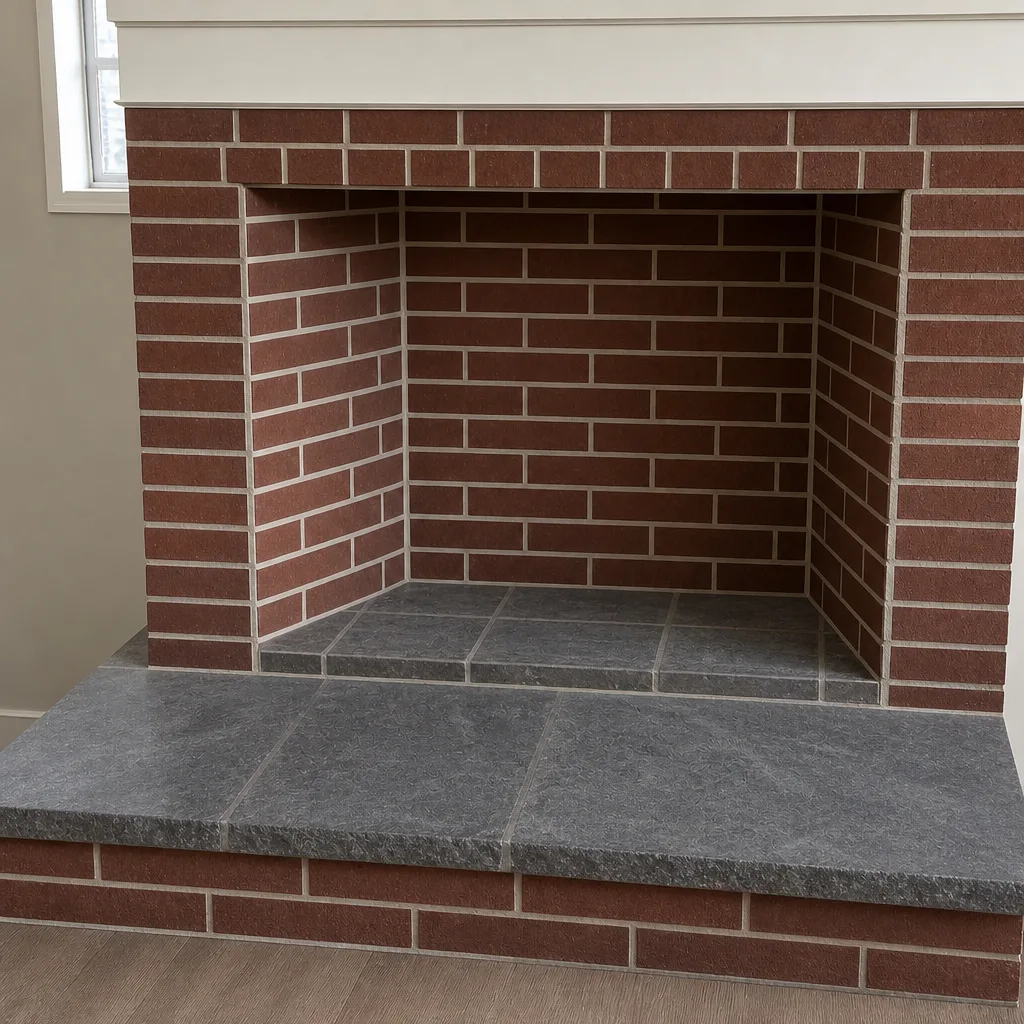
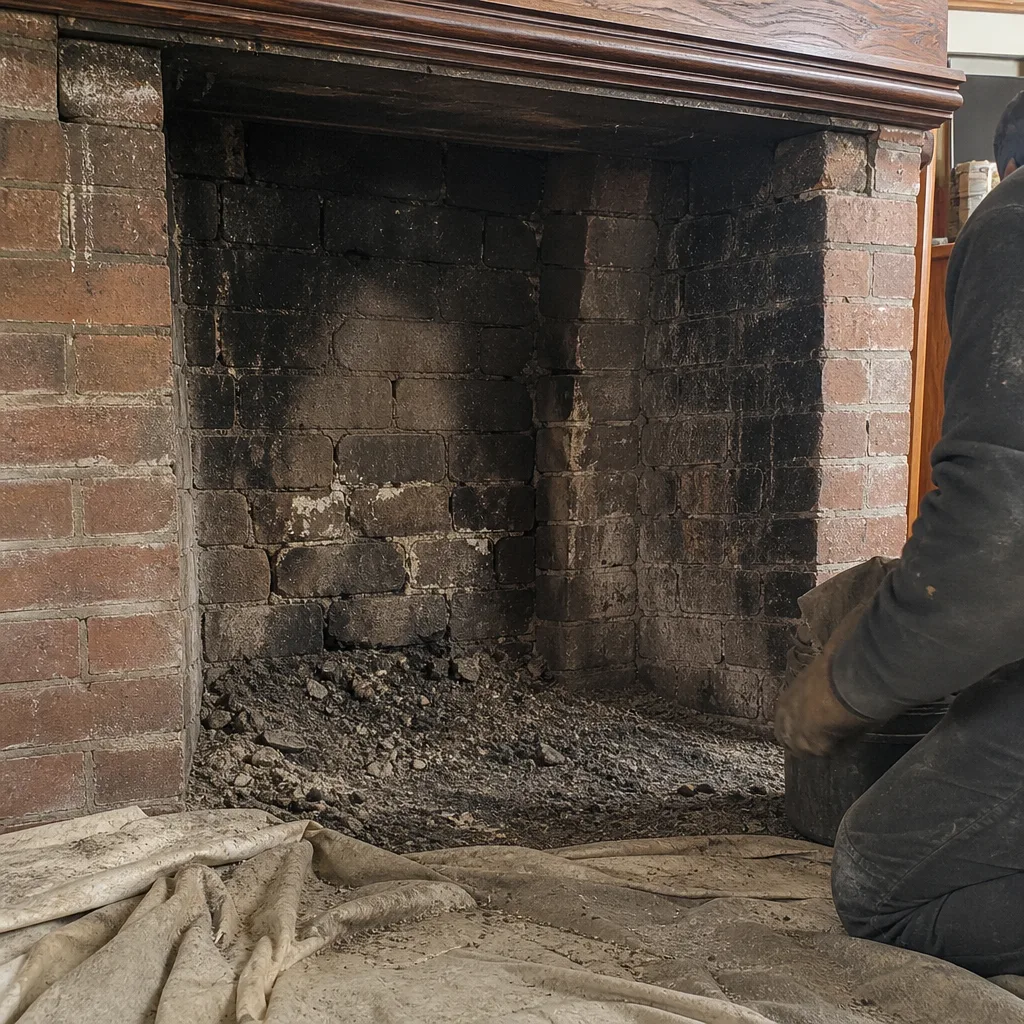
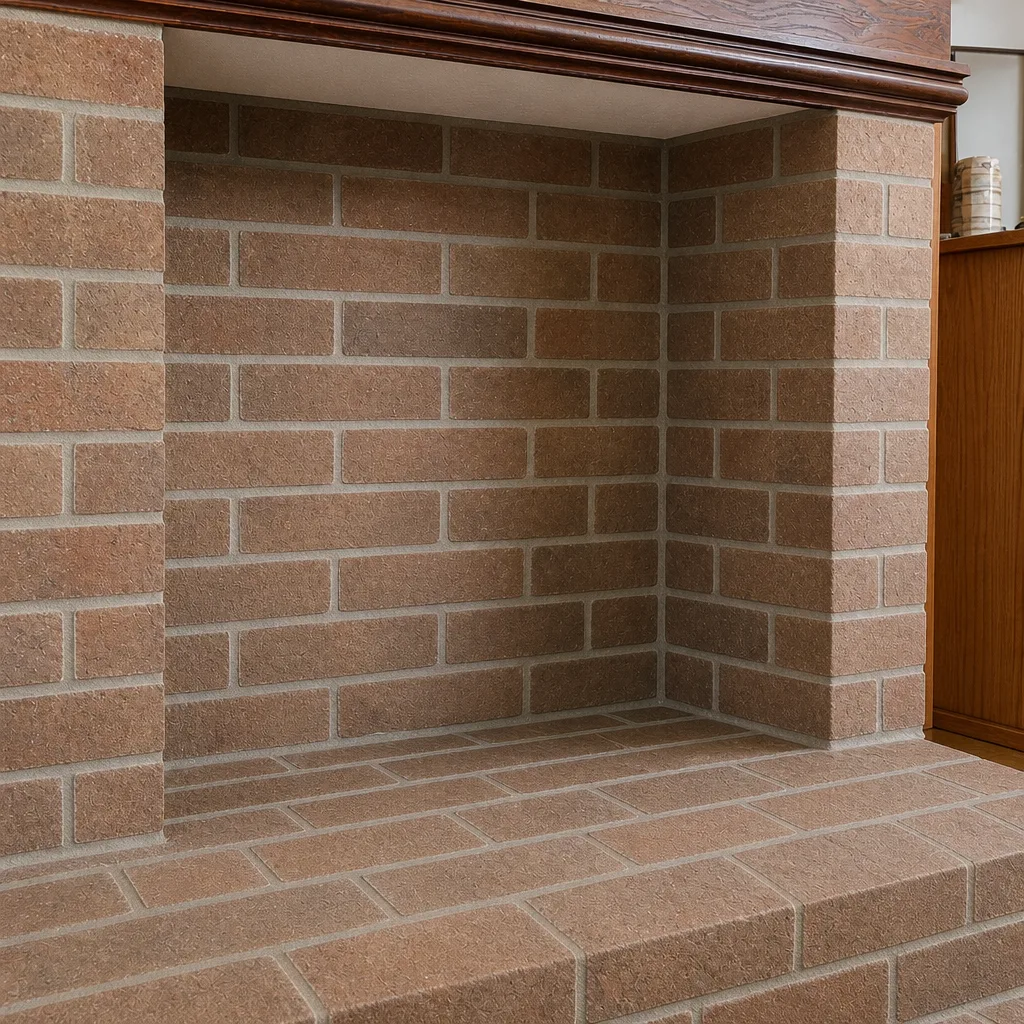
See the difference
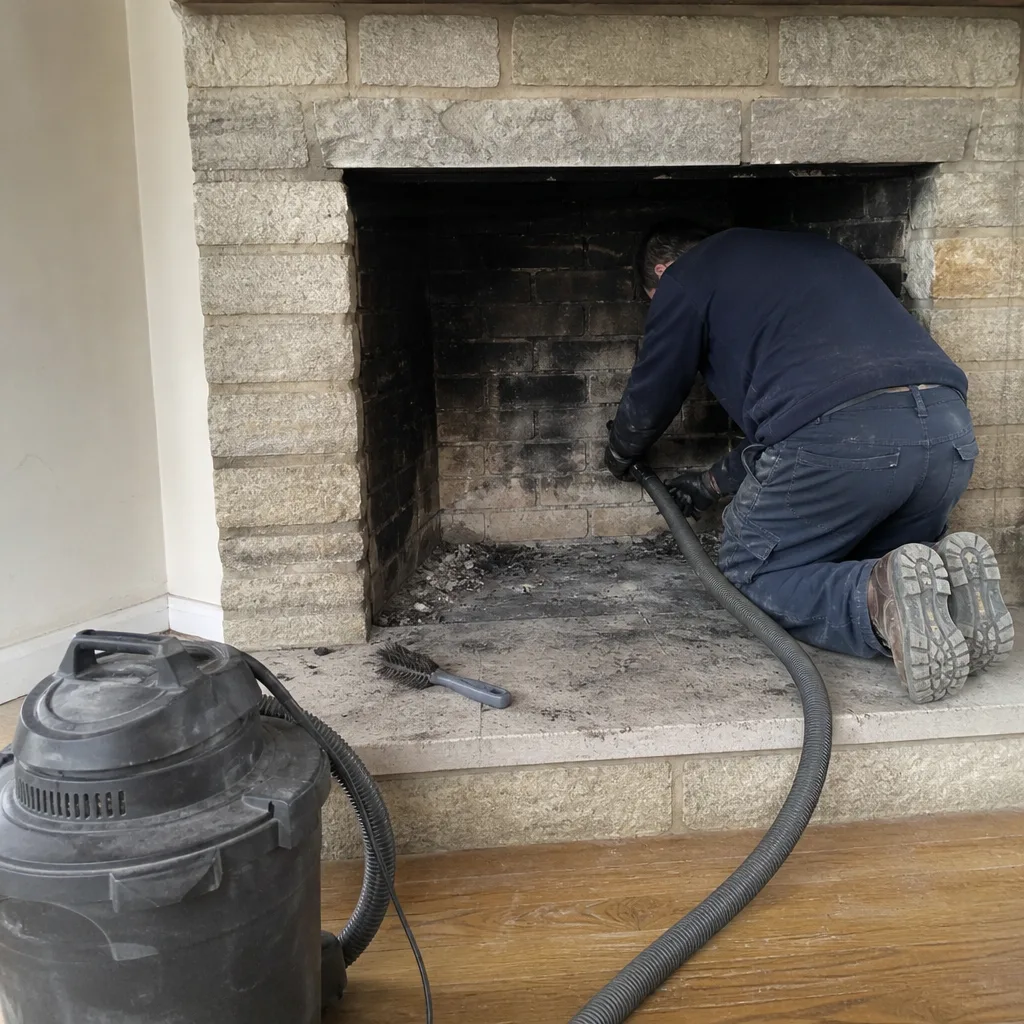 Before
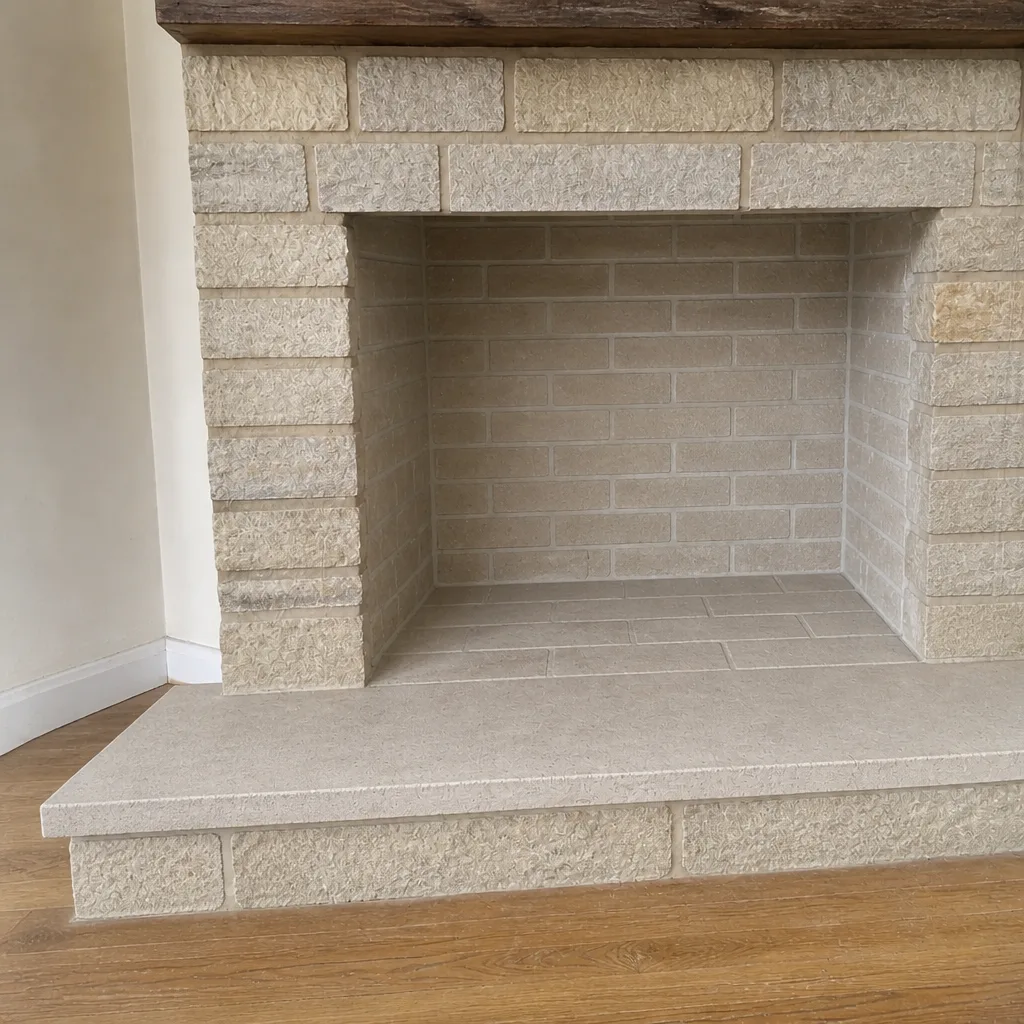 After
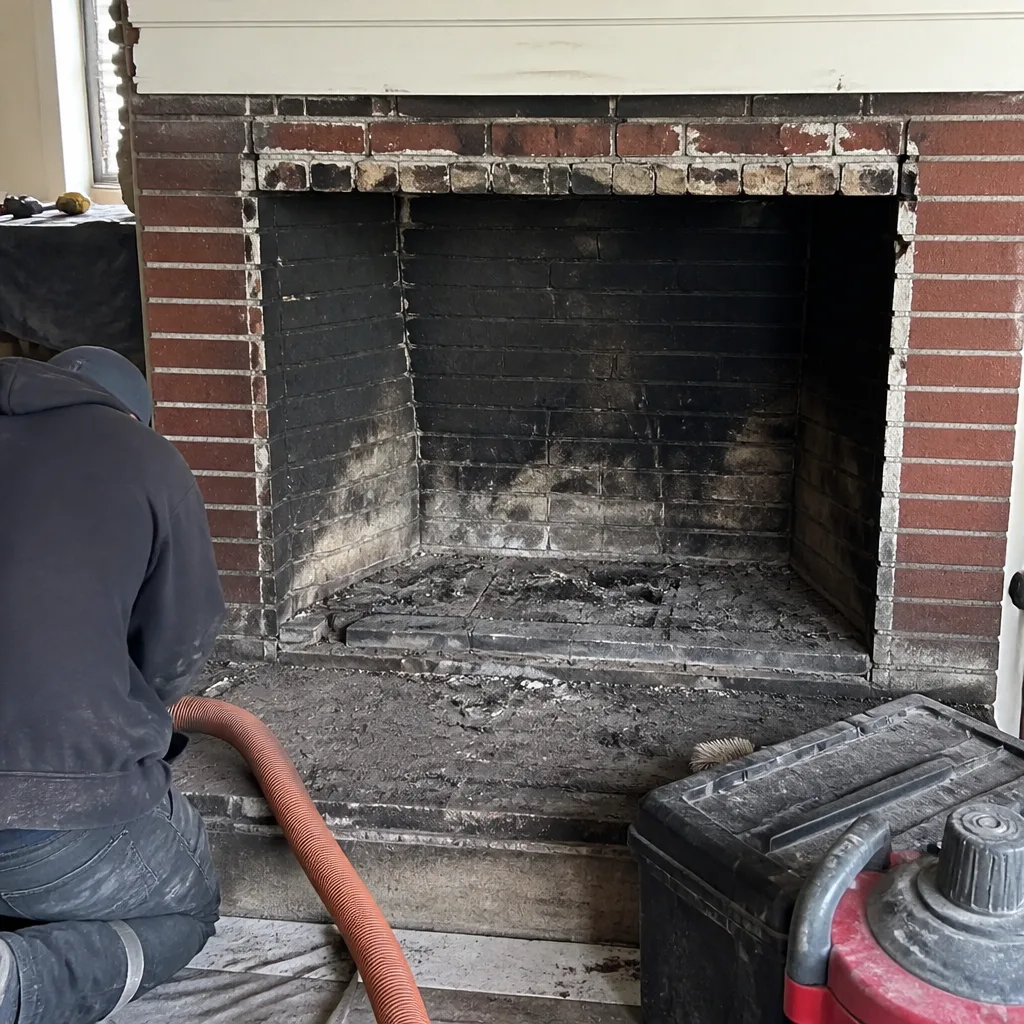 Before
 After
 Before
 After
When to Call a Professional
Call a professional when the question is bigger than a quick sweep. A home purchase or listing in Port Richmond is the clearest case: a specialist can pull the permit history, run a camera inspection, and tell you the condition of the chimney before money changes hands. A failed inspection, a liner that’s cracking or spalling, a crown that’s crumbling, or any structural repair that puts you in permitted-work territory is a job for a chimney specialist, not a general contractor. A CO alarm that’s ever sounded, a fireplace that smells or smokes on startup, or a heating season you’re about to start with an unexamined chimney are all reasons to call now, not in the last cold week. Port Richmond Chimney Sweep offers free estimates in Port Richmond. Call (855) 789-9672.
Frequently Asked Questions
No. Routine chimney sweeping and annual inspection in Port Richmond are maintenance and do not require a permit from the NYC Department of Buildings. A structural repair, a relining job, or a rebuild does require a permit. If a contractor tells you sweeping needs a permit, ask them what specifically they intend to change structurally, because a clean flue doesn’t touch structure. Call (855) 789-9672 for a free estimate, and we’ll tell you which side of the line your job falls on.
Yes. Replacing a damaged flue liner with a stainless steel relining system is a structural alteration under the NYC Building Code and generally requires a permit from the Department of Buildings, filed before the work begins. Doing it without a filing can create a disclosed defect at a sale and complicate an insurance claim. A qualified chimney specialist files that permit as part of the job. Call (855) 789-9672 and we’ll walk you through the process from inspection to sign-off.
Use the NYC Buildings Department’s online records search, which lets you search by property address, block and lot, or BIN. Look for filed applications for chimney, flue, liner, hearth, and appliance work, and check whether the permits were signed off or left open. A permit that was filed and never signed off is a red flag worth resolving before a sale. Call (855) 789-9672 and we’ll help you read the file against the chimney in front of you.
A NYC DOB inspection verifies that permitted work was done to the approved plan and code. A CSIA-style inspection evaluates your chimney for safe use, checking the liner, firebox, crown, clearances, and draft. You need both in their proper places: the city for permitted construction, the trade inspection every year for safe burning. A DOB sign-off doesn’t certify the chimney is safe to use next season. Call (855) 789-9672 for a trade inspection and a written report.
Yes, if your home has a fuel-burning appliance, a fireplace, or an attached garage. NYC Local Law 7 requires CO alarms in those dwellings. A blocked or deteriorated flue is exactly the condition that lets carbon monoxide back into a home, so a working detector is your backstop, not your first line of defense. Call (855) 789-9672 if your alarm has ever sounded or your fireplace is acting up.
A general contractor shouldn’t handle structural chimney work. Permitted relining, rebuilding, and appliance conversions require knowledge of the NYC-adopted code and the specific requirements the DOB inspects, and that’s the job of a chimney specialist, not a roofer or handyman working a fireplace on the side. We work on chimneys, only chimneys. Call (855) 789-9672 for a free estimate.
The Bottom Line
The line between maintenance and permitted work is the one thing Port Richmond homeowners most often miss about their chimneys. Sweeping and annual inspection are maintenance: no permit, but still a regular habit. Relining, rebuilding, crown replacement, and appliance conversions are structural work under the NYC Building Code, and they require a DOB permit filed before the job starts. Local Law 7 adds CO detector requirements on top, and a trade inspection keeps your system safe between permits. A chimney specialist works inside all of it, files the permit, inspects the finished system, and documents the work. If you’re not sure which side of the line your job falls on, call (855) 789-9672 for a free estimate. We answer 24/7. Fast dispatch from 7am to 7pm, Sunday through Friday.
Written by the team at Port Richmond Chimney Sweep.